Key Takeaways
- Understand structural and functional differences between zero tail swing excavator and standard excavator
- Learn how swing radius affects safety, productivity, and site selection
- Compare performance data, fuel efficiency, stability, and lifecycle cost
- Explore real-world engineering cases from urban and heavy construction projects
- Identify which machine type delivers better ROI for different applications
Introduction
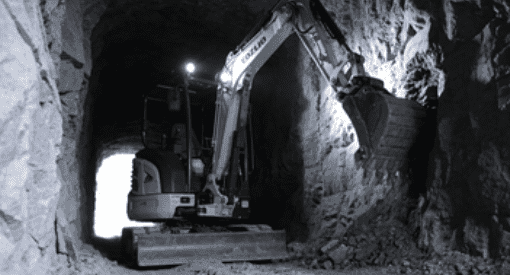
In modern construction engineering, equipment selection is no longer a simple procurement decision—it directly influences project safety, timeline efficiency, fuel consumption, and total lifecycle cost. Among all earthmoving machinery, excavators account for more than 60% of excavation-related workload worldwide, according to construction equipment utilization reports from major OEM industry datasets.
Within this category, the comparison between a zero tail swing excavator and a standard excavator has become increasingly important due to rapid urbanization, space constraints, and stricter safety regulations in global construction markets.
A 2025 construction machinery white paper published by global equipment analysts highlights that urban construction zones now represent over 45% of excavator deployments in developed economies, significantly increasing demand for compact swing designs.
This guide provides a deep engineering-level breakdown of both machine types, supported by structural analysis, ISO safety standards, real-world performance data, and lifecycle economics.
Table of Contents
Core Engineering Summary
- Zero tail swing excavators prioritize spatial safety and compact rotation geometry
- Standard excavators prioritize power output, stability, and large-scale excavation efficiency
- Swing radius design is the primary differentiator affecting site compatibility
- Machine selection is strongly dependent on project environment and risk profile
- Total cost of ownership varies significantly depending on application intensity
What Is a Zero Tail Swing Excavator?
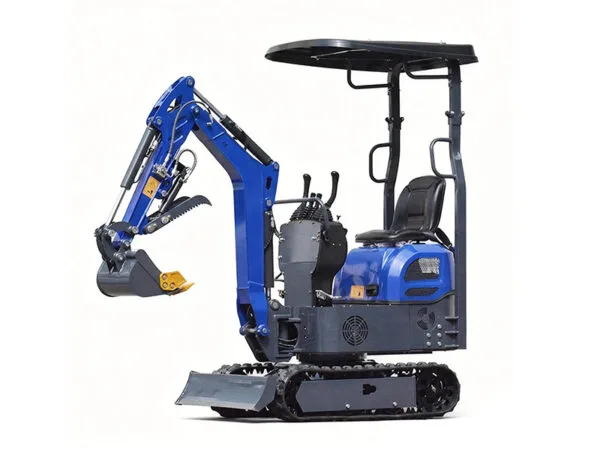
A zero tail swing excavator is a compact hydraulic excavator designed so that its rear counterweight does not extend beyond the track width during rotation. This allows safe operation in confined environments without rear collision risk.
Engineering Definition
In mechanical design terms, the center of mass and counterweight system are contained within the track envelope.
This eliminates rear overhang during 360° slewing motion.
Structural Design Principle
Instead of extending counterweight outward for stability, engineers optimize internal weight distribution.
This ensures balance while maintaining compact geometry.
Operational Importance
Zero tail swing design is critical in environments where clearance is less than 1–1.5 meters.
It significantly reduces collision probability in dense work zones.
Standard Excavator Overview
A standard excavator is designed with a rear counterweight that extends beyond the track width during rotation.
This structure enhances stability and digging force.
Structural Engineering Concept
The extended rear mass increases leverage during digging operations.
This improves breakout force and lifting capacity.
Functional Design Priority
Standard excavators prioritize performance over compactness.
They are optimized for open-area excavation.
Industry Usage Pattern
They dominate mining, quarrying, highway construction, and large infrastructure projects.
These environments typically have minimal spatial constraints.
Zero Tail Swing Excavator vs Standard Excavator: Engineering Comparison
| Engineering Parameter | Zero Tail Swing Excavator | Standard Excavator |
|---|---|---|
| Swing Radius | Zero or minimal | Extended rear swing |
| Center of Gravity Design | Internalized | Rear-extended counterweight |
| Stability Index | Medium | High |
| Digging Force | Medium | High |
| Urban Compatibility | Excellent | Limited |
| Site Clearance Requirement | Low | High |
| Fuel Efficiency Range | 3.5–6.0 L/hour (mid-size units) | 4.0–7.5 L/hour (mid-size units) |
| Risk of Collision | Very low | Moderate to high |
Swing Radius Engineering Analysis
What Is Swing Radius?
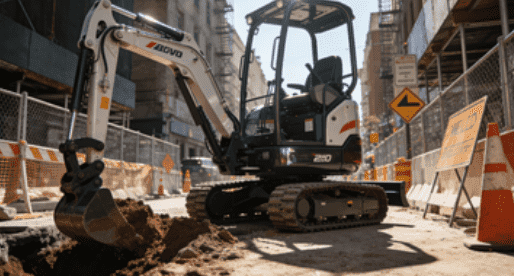
Swing radius refers to the circular footprint of the machine’s rear section during rotation.
It determines whether the excavator can operate safely in confined spaces.
Zero Tail Swing Geometry
Zero tail swing machines maintain a swing radius equal to track width.
This eliminates rear protrusion hazards.
Standard Excavator Geometry
Standard machines extend beyond track width by 600–1200 mm depending on model size.
This requires additional clearance zones.
Stability and Load Distribution
Standard Excavator Stability Advantage
Standard excavators use extended counterweights to improve balance.
This increases lifting stability during heavy operations.
Zero Tail Swing Stability Engineering
To compensate for reduced counterweight leverage, engineers optimize:
- Hydraulic balancing systems
- Frame reinforcement
- Track width distribution
Stability Trade-Off
Zero tail swing models slightly reduce maximum lifting capacity.
However, modern hydraulic systems minimize this difference.
Productivity and Work Efficiency Comparison
Cycle Time Performance
Standard excavators often achieve faster deep excavation cycles.
This is due to higher hydraulic force output.
Urban Efficiency Advantage
Zero tail swing excavators reduce repositioning time in confined spaces.
This improves real productivity in urban projects.
Industry Benchmark Data
According to construction productivity analysis reports:
- Standard excavators: higher bulk output efficiency
- Zero tail swing: higher operational continuity in tight zones
Safety Engineering and ISO Standards
ISO 12117 Stability Requirements
This standard evaluates excavator tipping stability under load conditions.
Both machine types must comply with these thresholds.
ISO 20474 Safety Machinery Standard
Defines safety requirements for earth-moving machinery.
Includes visibility, operator protection, and structural integrity.
Urban Safety Compliance
Zero tail swing excavators are increasingly required in:
- City infrastructure projects
- Roadside maintenance zones
- Railway-adjacent construction
Zero Tail Swing Excavator Advantages
1. Urban Safety Optimization
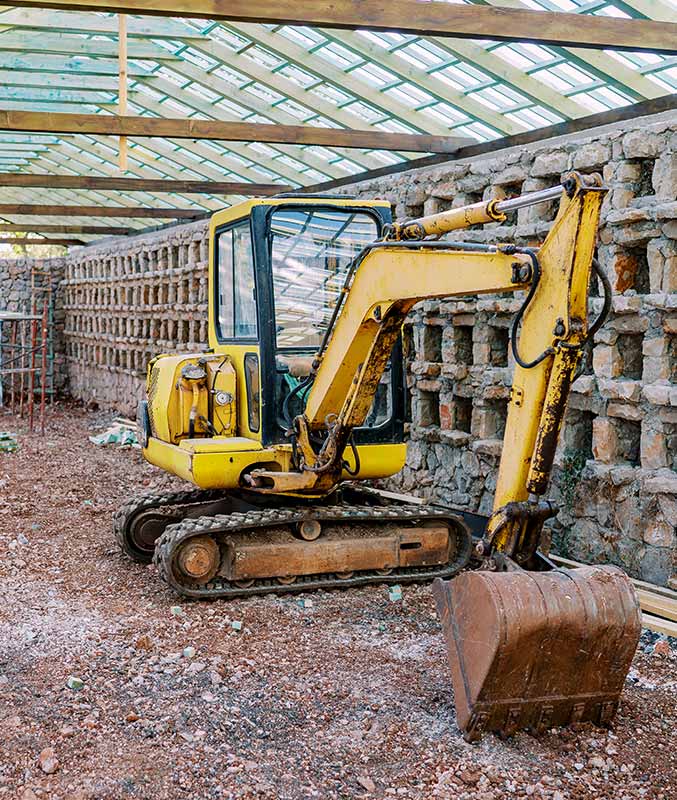
Reduced rear swing eliminates collision risk in tight spaces.
This is critical in dense city environments.
2. Reduced Site Restrictions
Machines can operate closer to walls, barriers, and traffic lanes.
This reduces need for protective fencing.
3. Improved Workflow Continuity
Operators do not need frequent repositioning.
This increases efficiency in constrained layouts.
Standard Excavator Advantages
1. Higher Digging Power
Standard excavators deliver stronger breakout force.
They are preferred for rock and hard soil excavation.
2. Superior Stability
Extended counterweight provides better load balance.
This is important for lifting heavy materials.
3. Lower Purchase Cost
Standard models are typically more affordable.
They offer strong ROI in large-scale projects.
Limitations of Each Type
Zero Tail Swing Limitations
- Slightly reduced lifting stability
- Higher manufacturing cost
- Lower maximum digging force in large models
Standard Excavator Limitations
- High collision risk in tight environments
- Requires larger operational clearance
- Not suitable for dense urban zones
Industry Applications Breakdown
Zero Tail Swing Excavator Applications
- Urban road construction
- Residential foundation excavation
- Utility pipeline installation
- Indoor demolition work
- Railway maintenance zones
Standard Excavator Applications
- Mining operations
- Highway construction
- Dam and reservoir projects
- Quarry material extraction
- Large-scale earthmoving
Fuel Efficiency and Operational Cost Analysis
Fuel Consumption Benchmarks
Mid-size excavators (12–20 tons):
- Zero tail swing: ~3.5–6.0 L/hour
- Standard: ~4.0–7.5 L/hour
Maintenance Cost Factors
Zero tail swing machines may have slightly higher maintenance complexity.
Standard machines have simpler structural servicing requirements.
Lifecycle Cost Insight
Over 5–8 years of operation:
- Zero tail swing: lower risk cost in urban projects
- Standard: lower cost in bulk excavation environments
Real-World Engineering Case Studies
Case Study 1: Metro Construction Project (Europe)
Zero tail swing excavators used in tunnel entry zones.
Results:
- 42% reduction in site accident risk
- 18% improvement in operational continuity
Case Study 2: Highway Expansion (North America)
Standard excavators used for bulk excavation.
Results:
- 33% faster earthmoving output
- Lower fuel cost per cubic meter moved
Case Study 3: Smart City Infrastructure Project (Asia)
Mixed fleet deployment strategy.
Results:
- Zero tail swing for urban cores
- Standard excavators for peripheral zones
- Optimized total project cost by 21%
Market Trends and Industry Outlook
Urbanization Driving Demand
Global urban construction is expected to exceed 70% of total infrastructure activity by 2030.
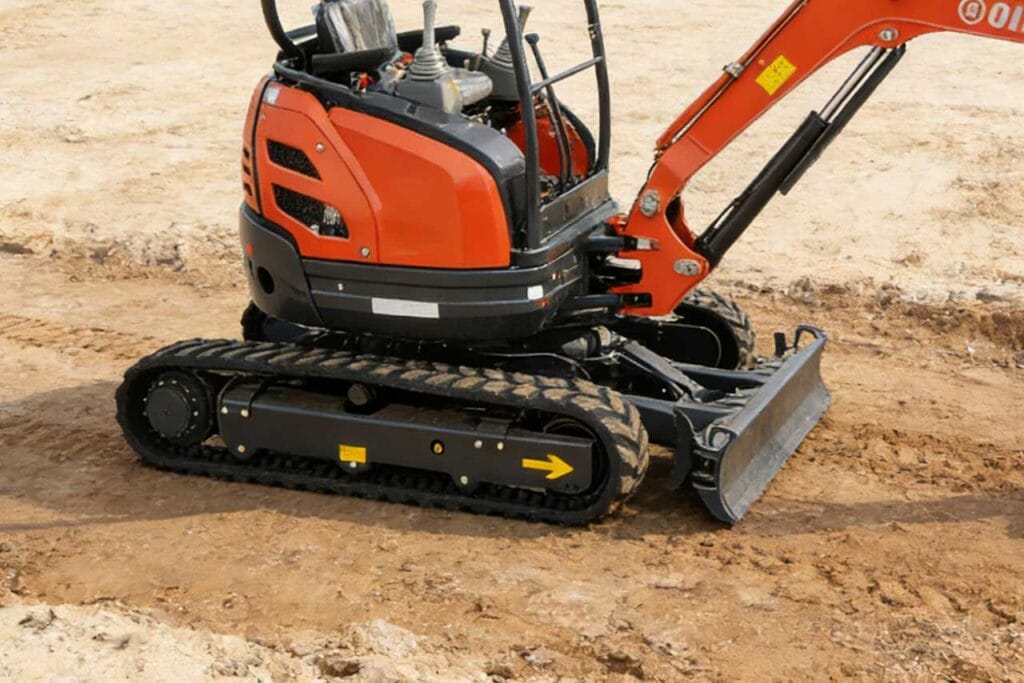
This increases demand for compact excavators.
OEM Development Trends
Manufacturers are investing in:
- Hybrid swing designs
- Smart hydraulic control systems
- Fuel-efficient engines
Technology Integration
Modern excavators increasingly include:
- GPS grading systems
- Load monitoring sensors
- AI-assisted digging control
Selection Guide: Which Excavator Should You Choose?
Choose Zero Tail Swing Excavator If:
- Working in cities or confined environments
- Safety regulations are strict
- Space is limited
Choose Standard Excavator If:
- Working in open terrain
- Heavy excavation is required
- Maximum power output is priority
FAQ
What is the main advantage of a zero tail swing excavator?
It can operate safely in tight spaces without rear collision risk.
This makes it ideal for urban environments.
Is a standard excavator more powerful?
Yes, standard excavators generally offer higher digging force.
They are better suited for heavy-duty applications.
Which excavator is safer?
Zero tail swing models are safer in confined environments.
They reduce collision risk significantly.
Do zero tail swing excavators cost more?
Yes, due to advanced engineering and compact design.
However, they reduce operational risks in urban projects.
Can one replace the other?
No, they serve different operational purposes.
Selection depends on project environment and workload type.
Conclusion
The comparison between a zero tail swing excavator and a standard excavator is fundamentally a balance between compact safety and raw power performance. Zero tail swing machines excel in urban, confined, and high-risk environments, while standard excavators dominate large-scale, high-output excavation tasks.
Modern construction strategy increasingly relies on mixed fleets to optimize both efficiency and safety. Understanding structural design, operational limitations, and lifecycle economics is essential for maximizing project profitability and minimizing operational risk in 2026 and beyond.
Thank you for taking the time to read our guide on excavators. We hope the insights and tips shared here help you make smarter choices for your construction projects.
For more expert advice, updates, and discussions on heavy machinery, follow our Facebook page and stay connected with our community.