Key Takeaways in This Guide
- Why zero tail swing mini excavators are becoming more popular worldwide
- Key advantages in urban construction and compact job sites
- Differences between zero tail swing and conventional excavators
- Performance, safety, and fuel efficiency insights
- Real-world applications across multiple industries
- Maintenance strategies for long-term equipment reliability
- Industry trends, intelligent technology, and future developments
- Cost analysis and ROI considerations
- FAQ for buyers, contractors, and equipment operators
Introduction
Construction projects are becoming increasingly complex, especially in urban environments where space is limited and safety standards continue to rise. Contractors today must complete projects faster while minimizing property damage, reducing downtime, and improving operational efficiency. These changing requirements have driven the rapid growth of zero tail swing mini excavators across global construction markets.
Unlike traditional excavators, zero tail swing mini excavators are designed so the rear section of the machine stays within the width of the tracks during rotation. This engineering improvement allows operators to work safely and efficiently in confined environments such as city streets, residential neighborhoods, factories, tunnels, landscaping projects, and indoor demolition areas.
According to a 2024 compact construction equipment report published by Off-Highway Research, compact excavator demand increased by more than 18% globally over the past three years, with zero tail swing models accounting for a growing percentage of sales in Europe, North America, and Asia-Pacific markets. Contractors increasingly prefer these machines because they improve productivity while reducing the risk of accidental collisions.
Modern construction trends also emphasize environmentally friendly operations, intelligent machine control systems, and flexible equipment solutions. Zero tail swing mini excavators align perfectly with these trends because they offer compact dimensions, lower fuel consumption, reduced emissions, and compatibility with multiple attachments.
For contractors, fleet managers, project planners, and equipment buyers, understanding why zero tail swing mini excavators continue to dominate the compact equipment market is essential for making informed investment decisions.
Table of Contents
Understanding Zero Tail Swing Mini Excavators
What Are Zero Tail Swing Mini Excavators?
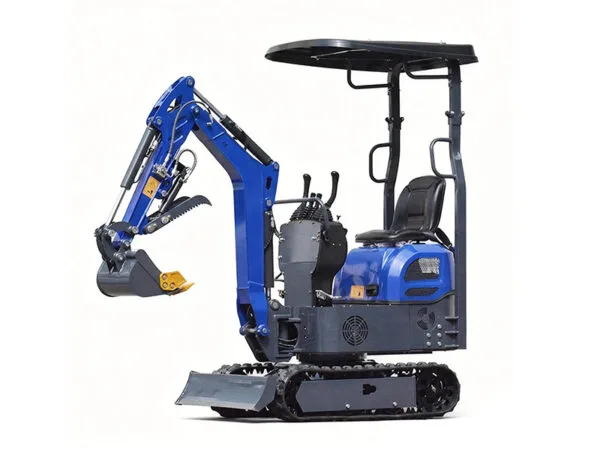
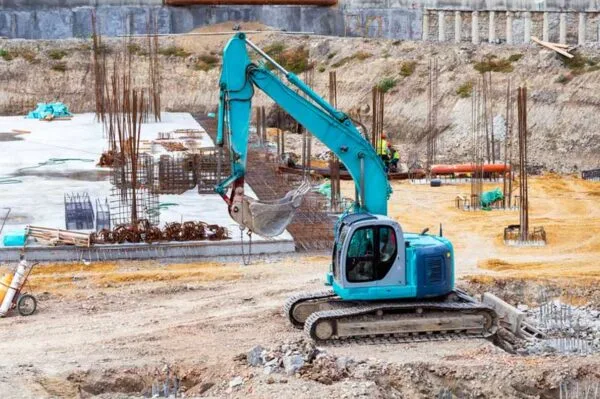
Zero tail swing mini excavators are compact hydraulic excavation machines designed with a rotating upper structure that does not extend beyond the track width during operation. This design significantly reduces the machine’s working footprint.
The compact rear structure allows the operator to rotate freely without worrying about hitting surrounding objects. This is particularly valuable in crowded urban construction environments.
Core Design Philosophy
The design concept behind zero tail swing mini excavators focuses on three main objectives:
Space Optimization
The machine can work efficiently in narrow job sites where standard excavators cannot safely rotate.
Enhanced Safety
Reduced rear overhang lowers collision risks involving walls, workers, vehicles, and nearby structures.
Improved Productivity
Operators can focus more on excavation tasks rather than constantly adjusting machine position to avoid obstacles.
Why Zero Tail Swing Mini Excavators Are Winning the Market
Urban Construction Growth
Urbanization continues to expand globally. More infrastructure projects are being completed in dense metropolitan areas where construction space is limited.
Municipal projects such as:
- Underground utility installation
- Sidewalk reconstruction
- Road maintenance
- Residential foundation work
- Fiber optic cable installation
all require compact machinery with excellent maneuverability.
Zero tail swing mini excavators provide an ideal solution for these projects.
Increased Job Site Safety
Safety regulations have become stricter in many countries. Construction companies are under pressure to reduce accidents and minimize equipment-related property damage.
A study from the European Construction Safety Association found that compact excavators with reduced tail swing lowered job site collision incidents by approximately 22% in confined environments.
Higher Equipment Utilization
Fleet owners prefer versatile machines that can operate across multiple project types. Zero tail swing mini excavators can transition from urban construction to landscaping, demolition, utility installation, and agricultural tasks without major modifications.
This flexibility improves equipment utilization rates and investment returns.
Key Advantages of Zero Tail Swing Mini Excavators
Superior Maneuverability
The biggest advantage of zero tail swing mini excavators is maneuverability.
Operators can rotate the cab fully while remaining inside the machine footprint. This allows safer operation near walls, fences, vehicles, and pedestrians.
Reduced Property Damage
Traditional excavators often strike nearby obstacles during rotation because the rear counterweight extends beyond the tracks.
Zero tail swing designs eliminate most of this risk, helping contractors avoid:
- Repair costs
- Insurance claims
- Project delays
- Legal liabilities
Better Operator Confidence
Working in confined spaces can be stressful for operators.
Zero tail swing mini excavators reduce operational anxiety because operators know the machine remains within a controlled footprint during rotation.
Easier Transportation
Most compact models are easier to transport between sites using standard trailers, reducing logistics costs.
Fuel Savings
Smaller machine dimensions and efficient hydraulic systems reduce fuel consumption compared to larger equipment.
Many modern models include:
- Eco operating modes
- Auto idle systems
- Smart hydraulic flow management
These technologies improve fuel economy significantly.
Zero Tail Swing Mini Excavators vs Conventional Mini Excavators
| Feature | Zero Tail Swing Mini Excavators | Conventional Mini Excavators |
|---|---|---|
| Rear Overhang | None | Extends beyond tracks |
| Tight Space Operation | Excellent | Moderate |
| Urban Suitability | Very High | Medium |
| Collision Risk | Low | Higher |
| Operator Visibility | Better | Standard |
| Fuel Efficiency | Higher | Medium |
| Transportation Convenience | Easier | Moderate |
| Safety Near Obstacles | Excellent | Average |
This comparison demonstrates why contractors increasingly prefer zero tail swing configurations for modern projects.
Common Applications
Residential Construction
These machines are ideal for:
- Backyard excavation
- Swimming pool installation
- Foundation digging
- Drainage systems
- Fence line trenching
Their compact size prevents unnecessary damage to surrounding landscaping.
Urban Infrastructure Projects
Municipal contractors use zero tail swing mini excavators for:
- Water pipeline installation
- Gas line maintenance
- Electrical conduit excavation
- Sidewalk repair
- Traffic signal foundation work
Landscaping Industry
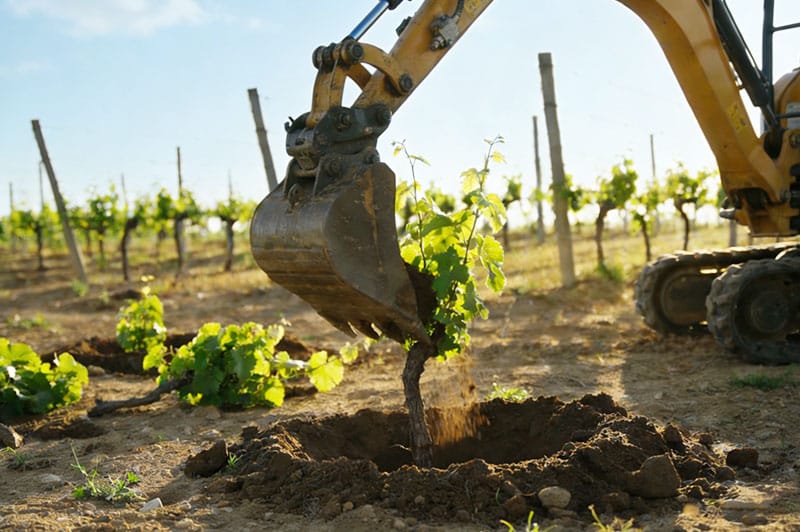
Landscape contractors value these machines because they can navigate narrow pathways while minimizing turf damage.
Agricultural Applications
Farm operators use compact excavators for:
- Irrigation trenching
- Drainage improvement
- Fence installation
- Land clearing
- Small-scale earthmoving
Indoor Demolition
Zero tail swing machines are increasingly used for indoor demolition because they can maneuver safely inside factories, warehouses, and commercial buildings.
Hydraulic Performance and Digging Efficiency
Advanced Hydraulic Systems
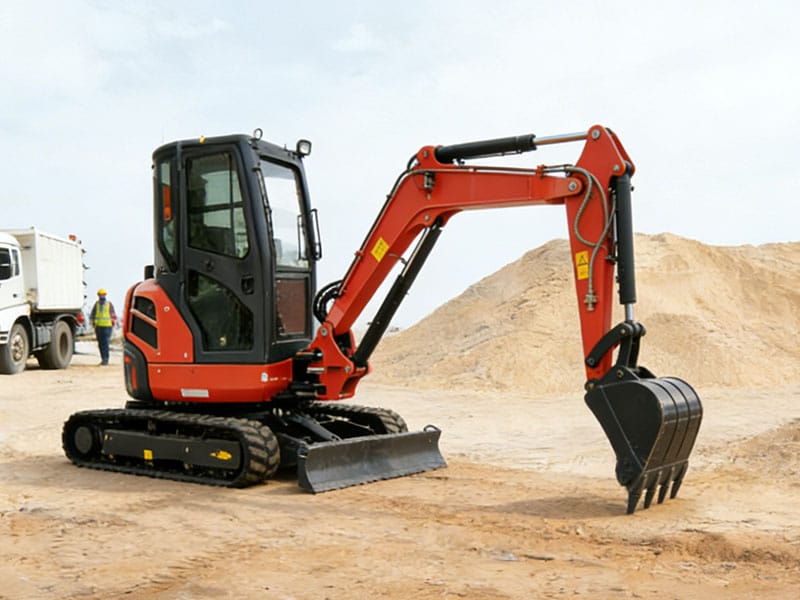
Modern zero tail swing mini excavators use load-sensing hydraulic systems that optimize oil flow based on operational demand.
Benefits include:
- Smoother movement
- Faster cycle times
- Lower energy loss
- Improved precision
Precision Excavation
Compact machines now achieve highly accurate excavation results thanks to proportional joystick controls and electronic hydraulic management.
Multi-Attachment Compatibility
Popular attachments include:
- Hydraulic breakers
- Augers
- Grapples
- Trenchers
- Tilt buckets
- Compactors
This transforms one machine into a multifunctional job site tool.
Important Technical Specifications
| Specification | Typical Range |
|---|---|
| Operating Weight | 1–6 tons |
| Digging Depth | 1.5–4 meters |
| Engine Power | 10–45 HP |
| Maximum Reach | 3–6 meters |
| Travel Speed | 2–5 km/h |
| Bucket Capacity | 0.02–0.25 m³ |
The exact specifications vary depending on machine size and manufacturer.
Safety Technologies in Modern Machines
Rearview Camera Systems
Many premium models include cameras to improve visibility around the machine.
Automatic Shutdown Protection
Advanced systems automatically shut down the machine when overheating or hydraulic abnormalities occur.
Operator Presence Systems
Some excavators prevent accidental movement unless the operator is seated correctly.
ROPS and FOPS Certification
Modern cabins often comply with:
- ROPS (Roll-Over Protective Structure)
- FOPS (Falling Object Protective Structure)
These standards improve operator safety significantly.
Global Market Trends
Electrification
Electric compact excavators are becoming increasingly popular due to emission regulations and sustainability goals.
Battery-powered models are especially suitable for:
- Indoor construction
- Noise-sensitive areas
- Nighttime urban projects
AI and Smart Controls
Manufacturers are integrating intelligent systems such as:
- GPS-assisted digging
- Remote diagnostics
- Predictive maintenance alerts
- Machine telematics
Rental Market Expansion
Rental companies continue expanding compact equipment fleets because demand for flexible machinery is growing rapidly.
Real-World Case Studies
Tokyo Utility Upgrade Project
A utility contractor used zero tail swing mini excavators to replace underground pipelines in narrow urban alleys.
Results included:
- 18% faster completion time
- Zero property damage incidents
- Reduced labor requirements
Residential Landscaping in California
Landscape contractors used compact excavators for backyard redesign projects with limited access.
The machines improved material handling efficiency while protecting existing structures and gardens.
Indoor Industrial Renovation in Germany
A manufacturing plant renovation project required concrete floor removal inside a confined warehouse.
Zero tail swing mini excavators completed the work safely without damaging surrounding machinery.
Cost Analysis and ROI
Initial Purchase Price
Zero tail swing models may cost slightly more than conventional compact excavators because of advanced engineering and hydraulic systems.
Long-Term Savings
However, contractors often save money through:
- Lower damage costs
- Reduced fuel consumption
- Faster project completion
- Higher utilization rates
Estimated ROI Benefits
Industry studies suggest contractors may recover the additional investment within 18–30 months depending on machine usage frequency.
Maintenance Best Practices
Daily Maintenance Checklist
Operators should inspect:
- Hydraulic hoses
- Engine oil levels
- Track condition
- Bucket teeth
- Safety systems
Weekly Inspections
More detailed checks should include:
- Hydraulic cylinder leakage
- Cooling system performance
- Air filter condition
- Electrical connections
Long-Term Service Planning
Manufacturers typically recommend major inspections every 1000–2000 operating hours.
Proper maintenance significantly extends machine lifespan.
Environmental Benefits
Lower Fuel Consumption
Efficient engine and hydraulic designs reduce fuel use and emissions.
Reduced Noise Pollution
Compact excavators generally operate more quietly than larger machines, making them suitable for residential areas.
Lower Ground Impact
Rubber tracks and compact dimensions reduce surface damage and soil compaction.
Future Trends
Autonomous Excavation
Semi-autonomous excavation systems are under development for compact equipment.
Remote Operation Technology
Remote-controlled operation improves safety in hazardous environments.
Hybrid Power Systems
Hybrid excavators combine diesel and electric systems to improve energy efficiency.
Smart Fleet Integration
Fleet management software enables contractors to monitor:
- Fuel consumption
- Machine location
- Maintenance schedules
- Productivity data
Conclusion
Zero tail swing mini excavators have become one of the most important innovations in compact construction equipment. Their ability to operate safely in confined environments while maintaining strong digging performance makes them highly valuable for modern contractors.
As urban infrastructure projects continue expanding worldwide, demand for compact, intelligent, and fuel-efficient machinery will continue growing. Zero tail swing mini excavators meet these requirements by combining maneuverability, safety, versatility, and operational efficiency.
For contractors seeking better productivity, lower operating risks, and long-term equipment value, investing in zero tail swing mini excavators is becoming an increasingly strategic decision in today’s competitive construction industry.
FAQ
Why are zero tail swing mini excavators more popular today?
Urban construction growth and stricter safety standards have increased demand for compact equipment with better maneuverability.
Are zero tail swing mini excavators suitable for heavy-duty work?
They are ideal for light to medium-duty excavation, utility installation, landscaping, and compact construction projects.
Do these machines cost more?
Initial purchase prices may be slightly higher, but operational savings often offset the difference.
Can they use multiple attachments?
Yes. Most modern models support various hydraulic attachments for multifunctional use.
Are electric models available?
Yes. Several manufacturers now offer electric zero tail swing mini excavators for low-emission projects.
What industries commonly use these excavators?
Construction, landscaping, utilities, agriculture, demolition, and municipal maintenance industries all use compact excavators extensively.
Thank you for taking the time to read our guide on excavators. We hope the insights and tips shared here help you make smarter choices for your construction projects.
For more expert advice, updates, and discussions on heavy machinery, follow our Facebook page and stay connected with our community.