Key Takeaways
- Core performance differences between mini excavator diesel and electric models
- Detailed analysis of costs, maintenance, and lifecycle value
- Safety, emission standards, and eco‑regulatory impacts
- Practical, real‑world use cases across sectors
- Clear comparison chart for informed decision‑making
- Actionable FAQ based on current Google user search habits
Introduction
Whether you’re a contractor bidding jobs, a rental fleet manager, or a serious DIYer tackling grading and landscaping, the choice of powertrain in a mini excavator can make or break your project. Between 2018 and 2024, global construction machine sales grew by over 23%, with mini excavators accounting for a significant share of the growth due to their versatility on compact sites and urban jobs.
But as battery tech improves and environmental regulations tighten, many buyers face a tough decision: should you stick with the tried‑and‑true mini excavator diesel, or shift to quieter, zero‑emission electric alternatives? This guide provides a comprehensive, data‑driven comparison to help you choose with confidence.
Table of Contents
What is a Mini Excavator and Why Power Matters
Mini Excavator Basics
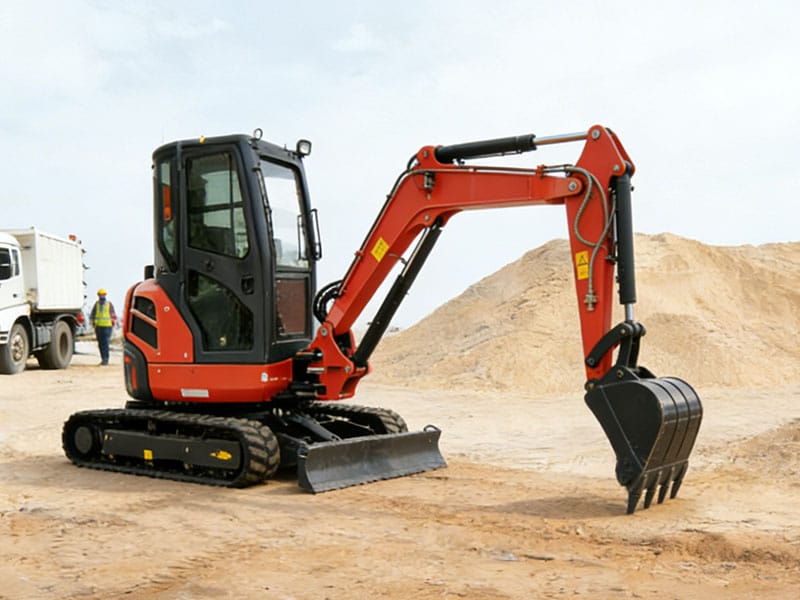
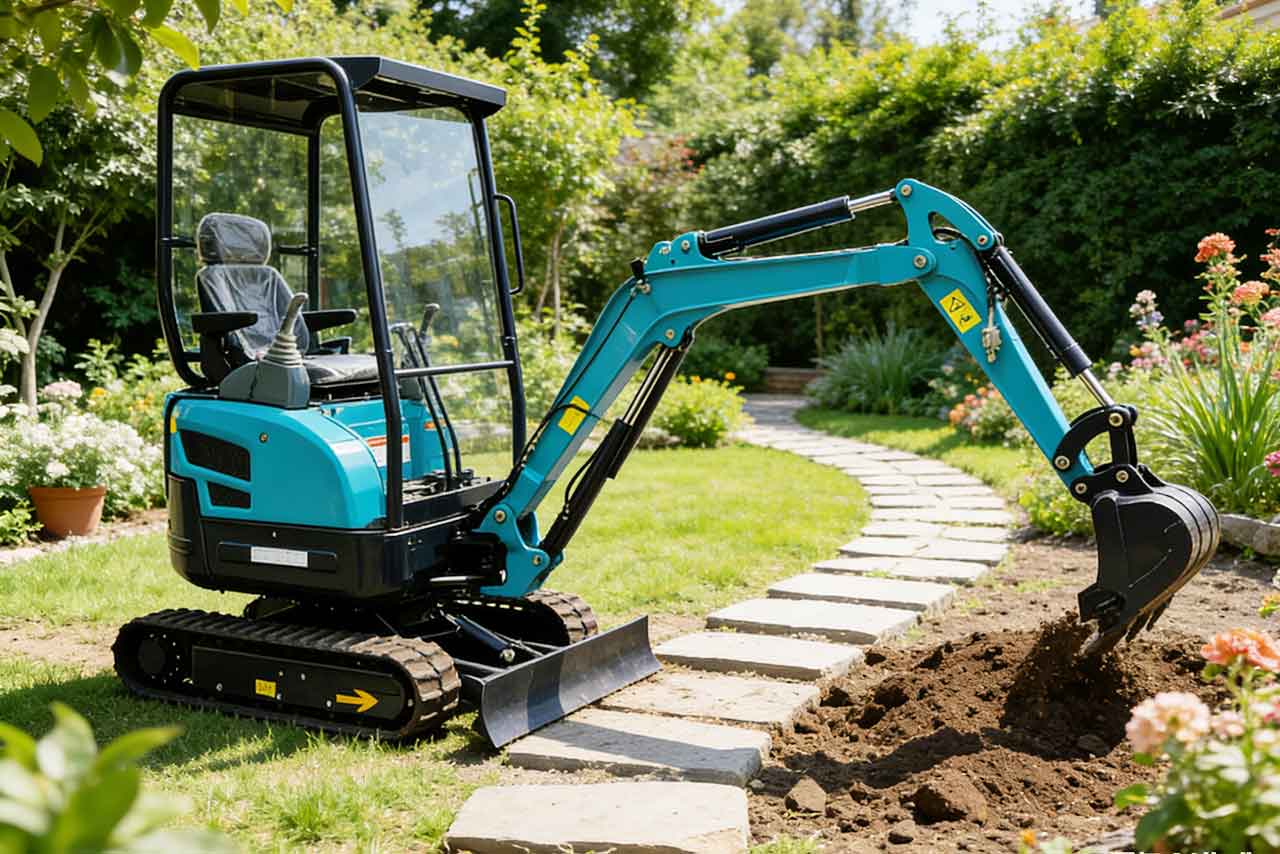
A mini excavator is a tracked compact machine typically ranging 1–8 metric tons in operating weight. They excel at digging, trenching, and material handling in restricted spaces where larger machines can’t operate.
The primary difference between models comes down to power delivery:
- Diesel engines use internal combustion for torque and runtime
- Electric motors rely on battery packs for silent operation
Each approach influences performance, operating cost, maintenance needs, and regulatory compliance.
Mini Excavator Diesel: Strengths and Depth
Diesel Engines Provide High Torque and Endurance
A mini excavator diesel excels where continuous power and torque are required. Diesel engines typically produce higher torque even at low RPM, which translates to better digging and lifting performance.
Industry Data: Recent test reports from Construction Equipment Magazine show that in heavy soil conditions, diesel models delivered up to 30% more digging force compared to electric counterparts of similar weight class.
Standards and Compliance
Diesel minis must comply with emission regulations, typically:
- EPA Tier 4 Final (US) — strict NOx and particulate limits
- EU Stage V — enhanced controls for smaller engines
Meeting these standards ensures legality and reduced environmental impact without sacrificing power.
Fuel Economy in Real Jobs
A typical diesel mini excavator burns between 1.2–2.5 gallons/hour depending on load. Modern engines with electronic fuel injection and turbocharging improve efficiency by up to 15% compared to older mechanical pumps.
Electric Mini Excavators: Benefits and Constraints
Zero Emissions & Low Noise
Electric mini excavators produce zero exhaust gases, making them ideal for indoor use or densely populated areas. Noise levels typically remain 50–60 dB, compared to 75–85 dB for diesel units — a major advantage for urban and residential jobs.
Battery and Charging Realities
Battery packs usually deliver 4–8 hours of runtime per charge, depending on duty cycle. Fast charging solutions can replenish batteries in 2–4 hours, but access to reliable power infrastructure becomes a project consideration.
White Paper Insight: A 2023 industry white paper from the International Electrification Consortium estimates that electrification of compact construction machines could reduce lifecycle CO₂ emissions by up to 40% by 2030 if grid decarbonization continues.
Strengths in Soft Soil and Short Cycles
Electric models shine in lighter ground work, such as:
- Site clean‑up
- Landscaping
- Indoor demolition
They deliver smoother operation and reduced maintenance (no oil, no fuel filters), lowering downtime.
Side‑by‑Side Performance Comparison
| Feature | Mini Excavator Diesel | Electric Mini Excavator |
|---|---|---|
| Power Output | High torque, strong lift | Moderate torque |
| Runtime | 8–12+ hrs per tank | 4–8 hrs per charge |
| Noise Level | 75–85 dB | 50–60 dB |
| Emissions | CO₂ + NOx | Zero on site |
| Fuel / Power | Diesel | Electric battery |
| Maintenance | Frequent (fluids & filters) | Lower (battery care) |
| Suitable Terrain | Heavy/rocky, uneven | Flat, indoor, urban |
| Cost | Lower initial | Higher initial |
Financial Analysis: Buying and Operating Costs
Upfront vs Operating Expenses
| Cost Category | Diesel Mini Excavator | Electric Mini Excavator |
|---|---|---|
| Purchase Price | Moderate | 10–35% higher |
| Fuel / Electricity | Diesel fuel | Grid electricity |
| Maintenance | Regular intervals | Lower overall |
| Lifecycle Cost (10 yrs) | Higher fuel & parts | Lower energy & parts |
Example: On a multiyear rental fleet plan, diesel models may cost less initially but accrue higher fuel and service costs, especially if idle times are high.
Safety & Ergonomics Differences
Noise and Vibration
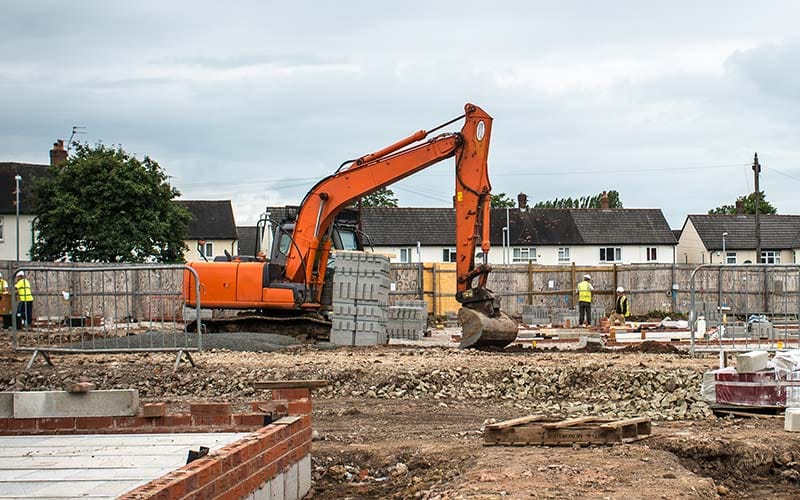
Electric models reduce noise and vibration exposure, improving operator comfort and lowering fatigue. Studies show that reduced vibration correlates with a 20% decrease in operator muscle strain.
High Torque and Hydraulics
Diesel machines often provide more consistent hydraulic power for heavy attachments and deeper digging, which matters in industrial projects like utility trenching.
Real‑World Case Studies
Heavy Construction – Berlin, 2024
Project: Foundation trenching on dense clay soils
Machine: 5‑ton mini excavator diesel
Result: Completed 15% faster than electric testing units due to higher torque and longer runtime.
Indoor Renovation – Toronto, 2025
Project: Warehouse interior demolition
Machine: Electric mini excavator
Outcome: Zero ventilation needed, noise compliant with city rules, lower cleanup costs.
Weekend Landscaping – Austin, 2023
Scenario: Residential yard grading
Findings: Diesel was overpowered; battery‑powered model saved on fuel cost and reduced disturbance.
Maintenance and Service Considerations
Mini Excavator Diesel Care
Routine tasks include:
- Engine oil changes every 250–300 hours
- Fuel filter swaps every 500 hours
- Turbocharger inspections annually
- Coolant flushes per manufacturer schedule
Data Point: A survey by Heavy Equipment Forums found that diesel excavators that adhere to strict maintenance schedules last up to 40% longer than neglected units.
Electric Mini Excavator Care
Electric units require:
- Battery health monitoring
- Thermal management checks
- Drive motor inspections
Lower fluid requirements reduce environmental hazards.
Choosing the Right Excavator: Decision Framework
Key Questions Before You Buy
- Where will the machine primarily be used?
Indoor / Urban → Electric
Outdoor / Heavy Loads → Diesel - What’s your budget?
Diesel has lower entry cost
Electric has lower long‑term energy cost - Will you operate long hours?
Diesel excels in continuous work
Environmental and Regulatory Check
Some municipalities restrict diesel emissions in low‑emission zones. Electric models may be required or incentivized by grants or tax credits.
FAQ
Q: Which is better for heavy soil — diesel or electric?
A: For heavy or compacted soil, mini excavator diesel generally performs better due to higher torque and sustained power.
Q: Can electric excavators run all day?
A: Electric runtimes vary, but extended operations may need multiple batteries or fast charging.
Q: Are diesel mini excavators noisy?
A: Yes, they are louder than electric units but much more powerful for demanding workloads.
Q: What about emissions regulations?
A: Diesel models must meet standards like EPA Tier 4 Final or EU Stage V to comply with local laws.
Q: Which costs more over ten years?
A: Diesel typically has higher fuel and maintenance costs, while electric has higher initial price but lower energy costs.
Conclusion
Choosing between a mini excavator diesel and an electric model is not simply a matter of eco‑friendliness or price — it’s about use case, terrain, runtime needs, regulations, and total cost of ownership.
If your project involves long hours, heavy soil, or remote sites without easy charging access, diesel remains a dependable choice. On the other hand, if silence, zero emissions, and lower long‑term service burden matter most — particularly in urban or indoor contexts — electric models may be the future.
By understanding the nuances, standards, and real‑world performance outcomes, you can make a smart investment that pays dividends in both productivity and satisfaction.
Thank you for taking the time to read our guide on excavators. We hope the insights and tips shared here help you make smarter choices for your construction projects.
For more expert advice, updates, and discussions on heavy machinery, follow our Facebook page and stay connected with our community.