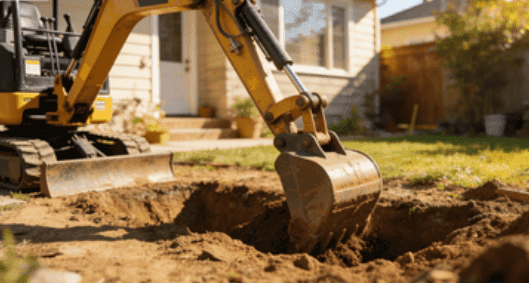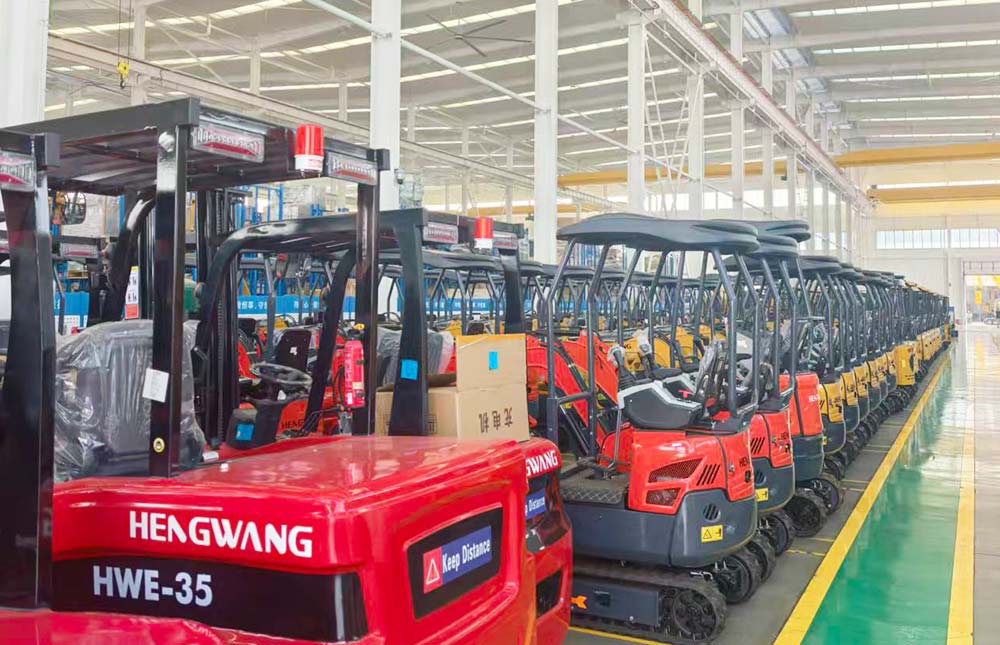
Mini excavators have become increasingly popular tools for families and individuals. However, with numerous brands, complex models, and varying prices on the market, choosing a suitable and cost-effective machine has become a challenge for many users.
1: Identify Your Needs and Match the Model
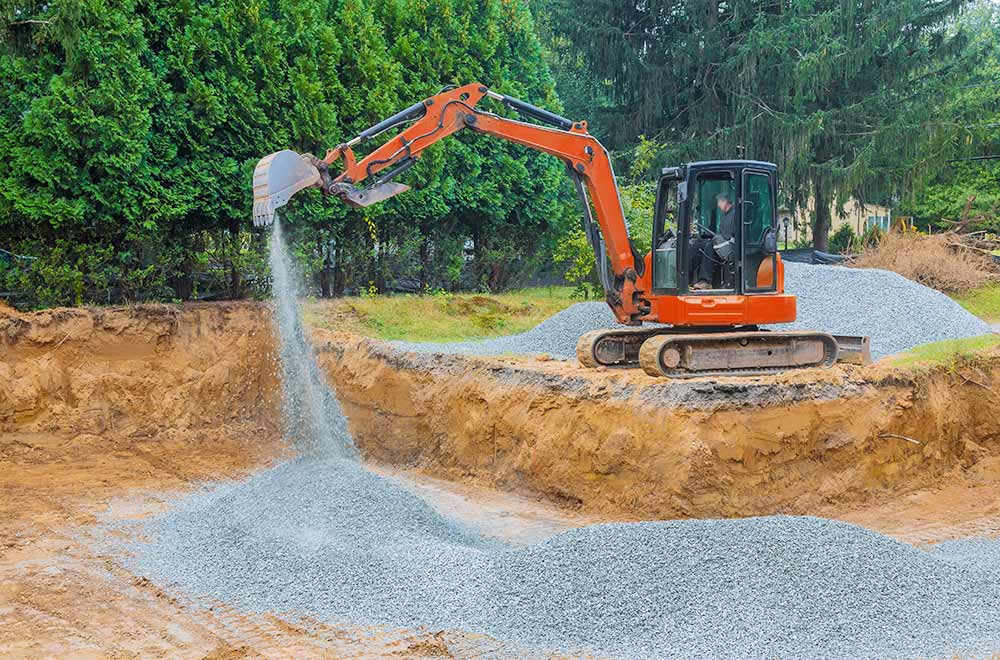
For confined spaces such as narrow courtyards or indoor renovations, choose a 1-3 ton mini excavator; for medium-intensity work such as farmland improvement or fishpond cleaning, a 5-6 ton model offers better value; for long-term, high-intensity engineering work, it is recommended to choose an 8-ton or larger model.
2: Understand the Specifications, Performance Configuration is Key
Tonnage and Digging Force: Tonnage directly affects digging depth and operational stability, while digging force determines work efficiency.
Power System: The engine is the “heart” of the machine. Prioritize well-known brands such as Kubota, Yanmar, and Briggs & Stratton, as they offer stable power and fuel efficiency.
Track Selection: Rubber tracks are suitable for hardened roads and protect the ground; steel tracks offer strong traction and are suitable for complex terrain.
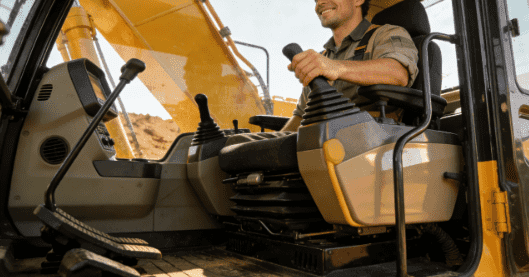
Operating Configuration: For long-term operation, driving comfort should be considered. Features such as suspension seats and air conditioning can effectively reduce fatigue.
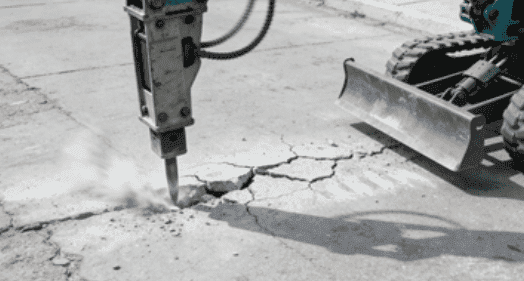
Special Reminder: Quick-change connectors enable “one machine for multiple uses,” greatly increasing the equipment’s value.
3: Choosing the Right Brand: After-Sales Service is Key
Prioritize brands with good reputations and extensive service networks. Domestic brands offer better value for money and more responsive after-sales service, better suited to home use needs. When purchasing, verify the warranty policy, service network distribution, and parts supply capabilities to avoid disruptions due to lack of after-sales support.
4: Ensuring Quality Control and Mitigating Purchase Risks
The core of new machine selection is examining the brand’s quality control system, verifying the inspection process, authoritative certifications, and quality commitments. Choosing a new machine from a brand with full-process quality control can minimize quality risks.