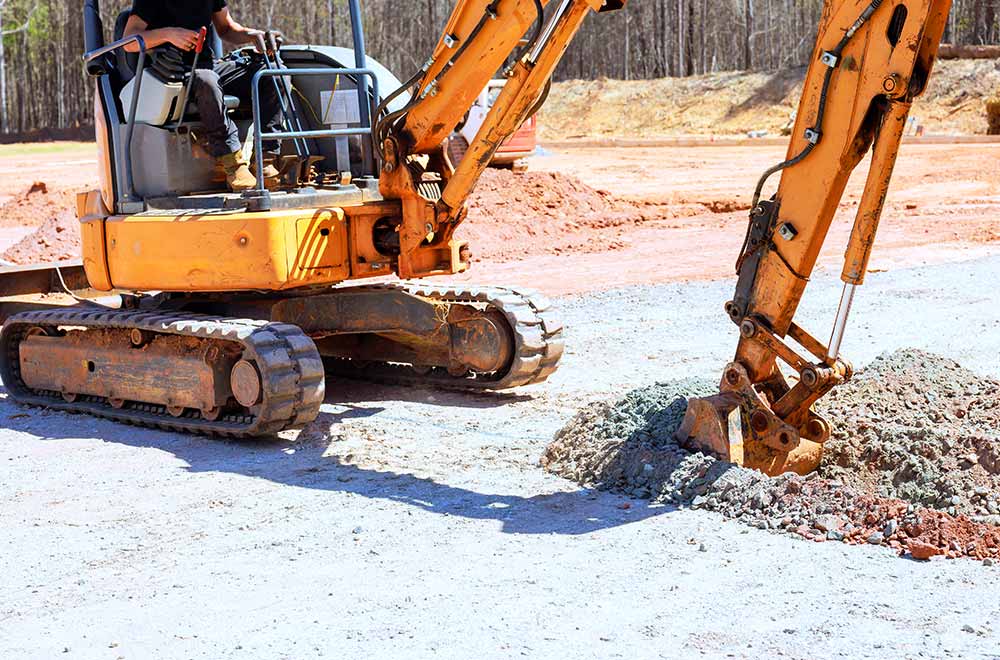
Choosing the right excavator model can significantly improve work efficiency, reduce subsequent maintenance costs, and avoid project delays due to incompatible equipment.
1. Machine Weight and Dimensions: Weight directly determines the equipment’s stability, load-bearing capacity, and ease of transport, while dimensions are a key consideration for operations in confined spaces.
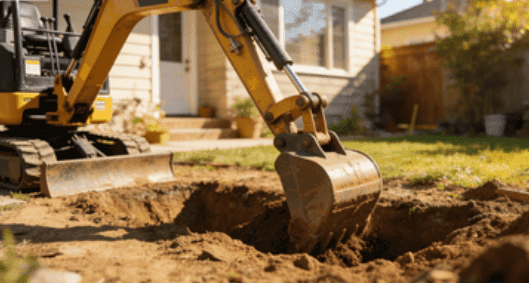
For indoor renovations, greenhouse tilling, and stairwell renovations, a 1-1.5 ton model is recommended, with the machine width strictly controlled within 1.2 meters to facilitate passage through narrow passages. For outdoor operations such as municipal repairs and rural road maintenance, a 2-3 ton model can be selected, balancing operational stability and site flexibility. Furthermore, a tailless slewing design can reduce the turning radius by more than 20%, effectively preventing the machine from bumping into walls, corners, and other restricted areas.
2. Digging Depth and Working Range: Digging depth and working range must strictly match the core requirements of the project to avoid functional redundancy or inadequacy.
For shallow operations such as farmland irrigation ditch excavation, residential land leveling, and small foundation pit excavation, machines with a digging depth of 1.5-2.5 meters are sufficient. For deeper operations such as municipal pipeline laying and small well excavation, machines with a digging depth of 3 meters or more are required. It’s also important to pay attention to the maximum digging radius to ensure the equipment can cover the entire work area without frequent adjustments to its position, reducing unnecessary operations and further improving construction efficiency.
3. Engine Power and Fuel Consumption
Engine power is the core guarantee of equipment operating efficiency and should be selected rationally based on machine weight and work intensity.
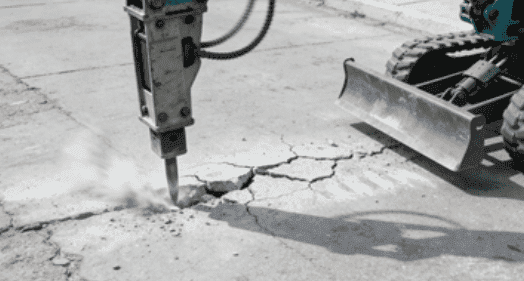
1-1.5 ton mini excavators with an 11-15kW engine can meet daily light to moderate work needs. For models over 2 tons or scenarios requiring hard soil handling or breaking operations, it is recommended to choose an engine with a power of 19kW or more to ensure sufficient power. Regarding fuel consumption, prioritize models with intelligent engine and hydraulic pump matching functions, which can dynamically adjust power output according to the work load, significantly reducing fuel consumption compared to ordinary models. This can save considerable operating costs during long-term, high-frequency operations.
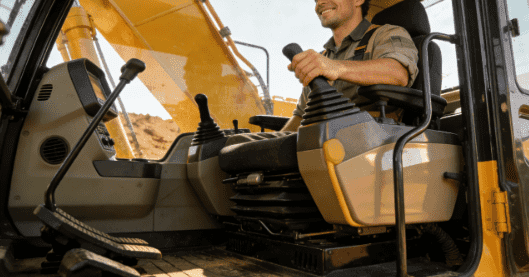
4. Hydraulic System and Operability The hydraulic system directly affects the control precision and operational smoothness of the equipment, making it a key detail in selection.
Pilot hydraulic systems offer fast response times (≤0.15 seconds) and require 30% less operating force than ordinary hydraulic systems, reducing fatigue during prolonged operation. They are particularly suitable for delicate tasks such as seedling planting and pipeline laying. Models with load-sensing functions can detect the working load in real time and distribute hydraulic oil flow as needed, reducing energy loss and improving operational stability. Additionally, the boom side-swing function allows the equipment to shift to either side without moving the machine body, enabling faster operation when working close to obstacles and improving work efficiency.
5. Structural Durability and Adaptability The structural durability of the equipment determines its service life, while adaptability affects its ability to adapt to different working conditions.
Prioritize models with built-in hydraulic piping designs, as this effectively avoids pipe damage caused by external impacts, significantly extending service life. If the operation involves harsh environments such as sandstorms, high temperatures, and humidity, reinforced dustproof sealing components should be selected to prevent impurities from entering the machine body; the track telescopic design can flexibly adjust the track width, taking into account both the passability of narrow roads and the stability of complex sites.