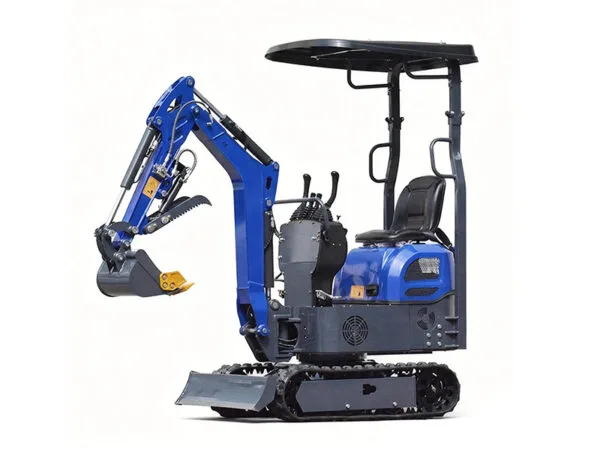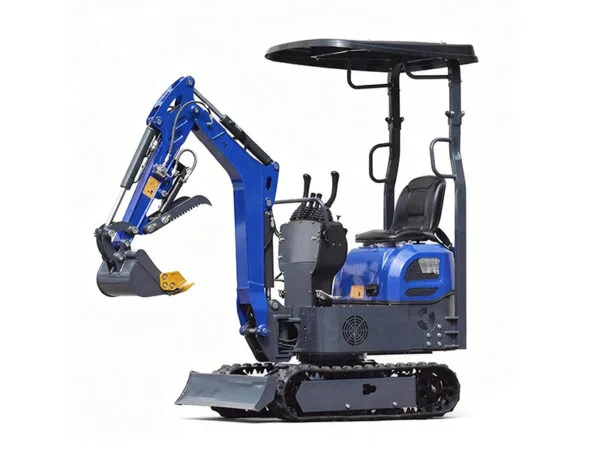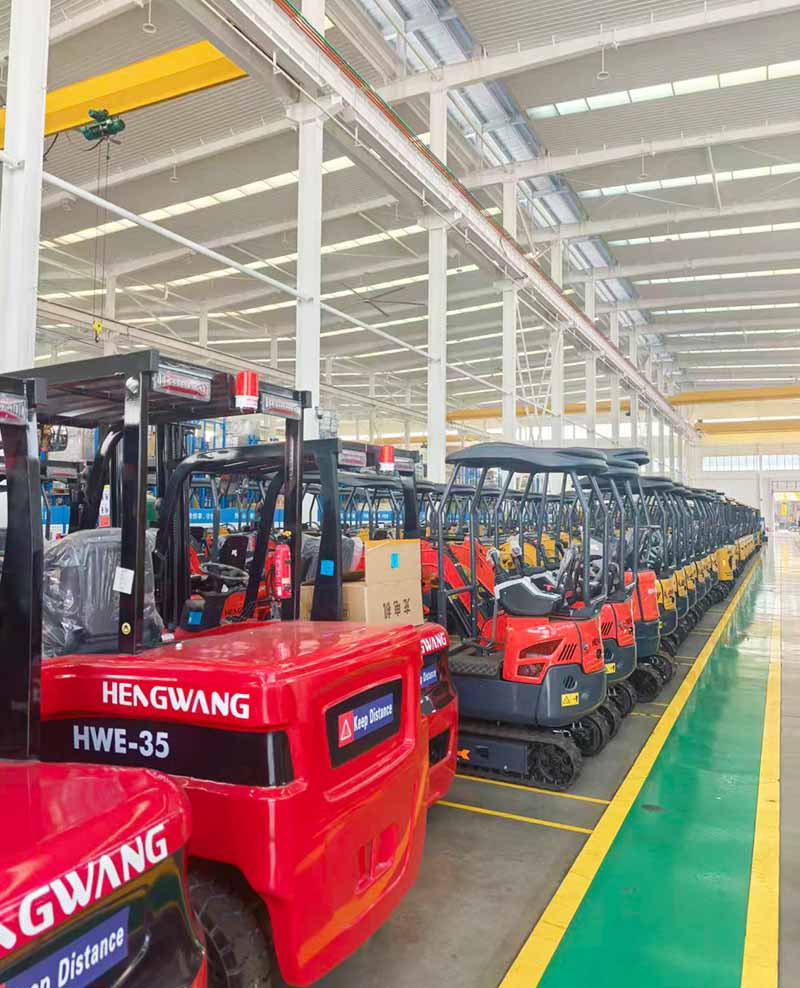
Key Points Covered in This Guide
- Overview of new mini excavator types and their applications
- Engine options, hydraulic systems, and digging capabilities
- Compact and zero-tail designs for urban and tight spaces
- Operator comfort, safety, and cab features
- Fuel efficiency, cooling systems, and durability
- Comparison of models and specifications
- Maintenance tips for long-term performance
- Industry standards, certifications, and compliance
- Real-world case studies and project applications
- FAQ addressing common buyer questions
Introduction
In today’s fast-paced construction and landscaping sectors, efficiency, precision, and safety are key. A new mini excavator combines compact design with high-performance power to meet these demands. Whether working in urban environments, industrial sites, or municipal projects, choosing the right mini excavator can reduce project timelines, cut fuel costs, and enhance operator productivity. This comprehensive guide dives deep into features, applications, standards, and expert tips to ensure buyers make informed decisions that maximize value and ROI.
Table of Contents
Types of New Mini Excavators and Their Applications
Compact Urban Excavators
Compact mini excavators excel in tight spaces where maneuverability is critical.
- Perfect for residential construction, sidewalk repairs, and small-scale landscaping
- Efficient on fuel, easy to transport between sites
- Reduced risk of damage to surrounding structures
Industrial Mini Excavators
Industrial-grade mini excavators are built for heavier workloads without sacrificing compactness.
- Suitable for factories, warehouses, and utility installations
- Enhanced digging depth, lifting capacity, and hydraulic precision
- Longer operational lifespan under continuous use
Specialized Mini Excavators
Some mini excavators are designed for niche applications.
- Tracked mini excavators for soft soil and marshy terrain
- Rubber-tired models for paved or indoor environments
- Electric mini excavators reducing emissions for urban compliance
Engine Options and Performance Standards
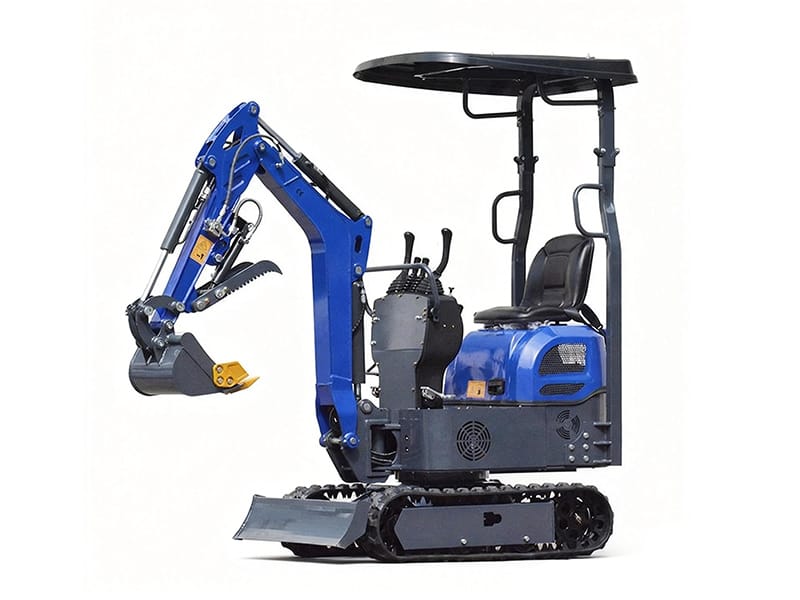
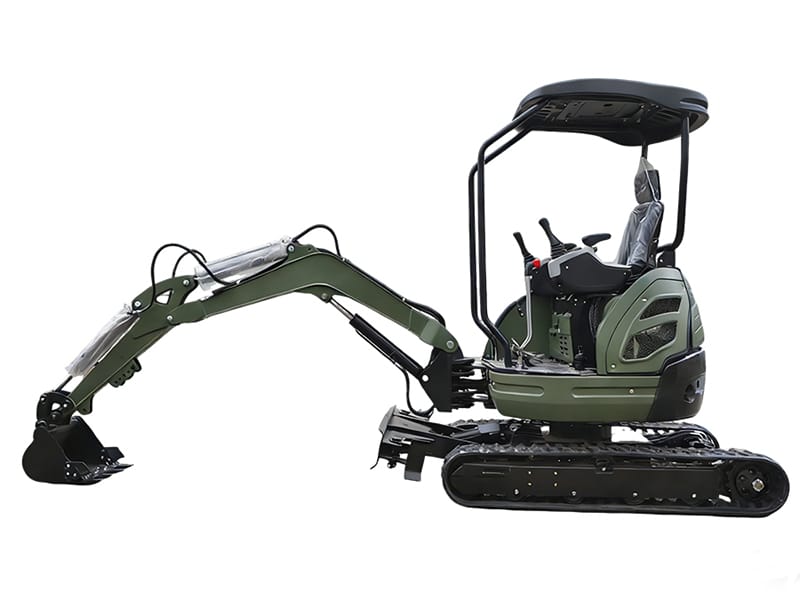
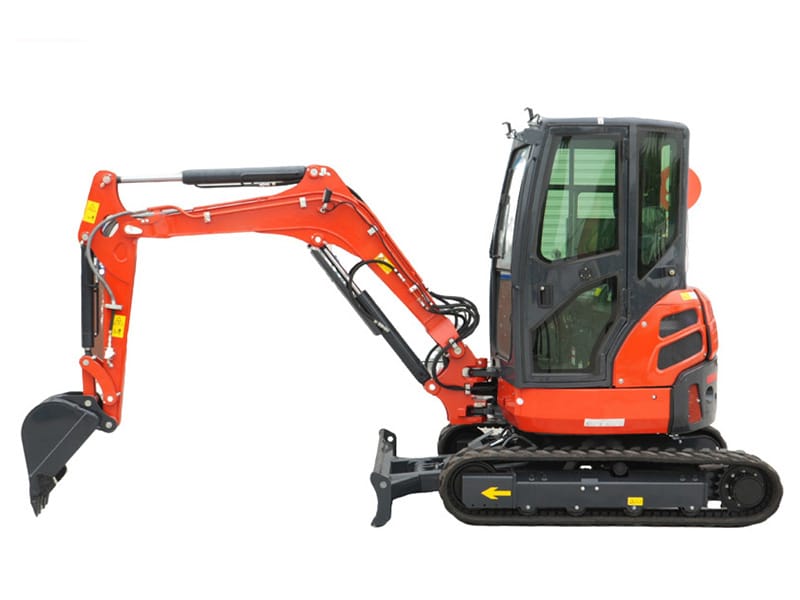
Premium Engine Options
| Model | Engine | Power | Fuel Efficiency |
|---|---|---|---|
| Mini 12U | YouPu/KOOP/Briggs & Stratton | 12–13.5 HP | High, low consumption for light work |
| Mini 25 | Kubota D902/D1105 | 25.2–29.5 HP | Optimized fuel injection for medium work |
| Mini 35 | Kubota V1505 | 33.5 HP | Efficient for industrial applications |
Key Considerations:
- Engine power affects digging depth, lifting capacity, and material handling
- Modern engines follow EPA Tier 4 emission standards
- Larger fuel tanks extend operational hours, reducing downtime
Engine Compliance Standards
- EPA Tier 4: Reduces NOx and particulate emissions for cleaner operation
- EU Stage V: Meets European emission standards for small construction machinery
Advanced Hydraulic Systems
Hydraulics determine precision, speed, and lifting stability.
Hydraulic Features
- Load-sensing pumps improve energy efficiency
- Pilot-controlled systems allow precise boom and arm movements
- Advanced filtration systems extend component lifespan
Industry Hydraulic Standards
- ISO 11171: Hydraulic fluid cleanliness for safe, efficient operation
- ISO 9001 Compliance: Ensures high-quality manufacturing of hydraulic components
Digging Depth and Lifting Capacity
Selecting the right model depends on project requirements:
| Model | Max Digging Depth | Lifting Capacity | Bucket Capacity |
| 12U | 1620 mm | 400 kg | 0.024 m³ |
| 25 | 2200 mm | 750 kg | 0.06 m³ |
| 35 | 2950 mm | 1200 kg | 0.12 m³ |
Concepts to Consider
- Reach and Radius: Longer arms allow extended digging and trenching
- Counterweight Balance: Ensures stability when lifting heavy materials
- Bucket Selection: Various shapes and capacities for soil, gravel, or debris
Compact and Zero-Tail Excavator Designs
True Zero-Tail Swing
Zero-tail excavators allow operation in confined spaces without the rear extending beyond tracks.
- Avoids damage to walls, pipes, and landscaping
- Enhances operator confidence in tight urban projects
Tailless vs Traditional Tail Designs
| Feature | Zero-Tail | Traditional Tail |
| Maneuverability | High | Medium |
| Safety in tight spaces | Excellent | Moderate |
| Transport Convenience | Easy | Requires extra caution |
Operator Comfort and Safety Features
Reinforced Operator Cab
- Tempered glass protects against impact
- Integrated air conditioning enhances comfort
- Roof-mounted skylight improves visibility
Safety Standards
- ISO 12100: Machinery safety and risk assessment
- Fire extinguisher and emergency hammer standard
- Seatbelt and ROPS (Roll-Over Protection System) for operator safety
Ergonomic Controls
- Reduced fatigue with pilot control systems
- Adjustable levers for personalized operation
- Intuitive layout to minimize errors
Fuel Efficiency, Cooling Systems, and Sustainability
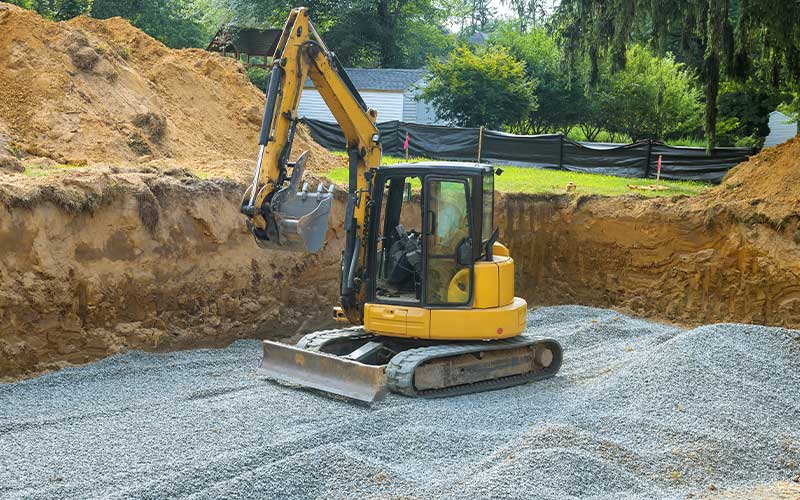
Fuel Management
- Two-speed travel modes reduce energy use during relocation
- Optimized injection systems improve combustion efficiency by up to 15%
Cooling and Air Filtration
- Compressor-type air filters protect engine components from dust and debris
- Maintain optimal operation in high-temperature environments
Sustainability Considerations
- Low emissions engines reduce environmental impact
- Recyclable components and long service life reduce material waste
- Electric mini excavators are emerging for emission-sensitive zones
Durability, Build Quality, and Maintenance
Welding and Coating Standards
- XS welding ensures structural strength
- Automotive-grade painting prevents corrosion
- Shot blasting, pickling, phosphating, and multiple coatings increase longevity
Maintenance Guidelines
- Daily: Hydraulic inspections, track tension, fluid levels
- Monthly: Greasing pivot points, cleaning air filters, inspecting hoses
- Yearly: Engine servicing, cooling system check, and software updates for intelligent models
Real-World Case Studies
Case Study 1: Urban Landscaping in Tokyo
- Mini Excavator 12U used for sidewalk and garden work in confined urban lots
- Reduced project time by 30% compared to conventional machinery
- Fuel consumption dropped by 12% due to efficient engine and two-speed travel
Case Study 2: Industrial Site Preparation in Germany
- Mini Excavator 35 for trenching and pipeline installation
- Improved digging precision with load-sensing hydraulics
- Safety record improved: zero accidents reported during six months of operation
Industry White Papers and Research
- Construction Equipment Institute (CEI) Report 2023: Compact excavators improve urban project efficiency by 25%
- IFC Sustainable Machinery Guide 2022: Zero-tail designs reduce accidental damage and increase productivity
Applications Across Industries
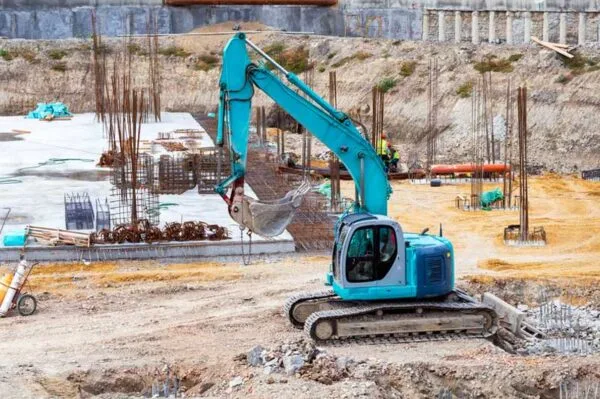
Construction
- Residential and commercial projects
- Trenching, foundation digging, and site prep
Landscaping
- Garden excavation, pond construction, terrain leveling
Municipal and Industrial Use
- Pipeline installation, road maintenance, utility works
- Light industrial lifting and transport
Model Comparison for Informed Choices
| Feature | Mini 12U | Mini 25 | Mini 35 |
| Engine HP | 12–13.5 | 25.2–29.5 | 33.5 |
| Digging Depth | 1620 mm | 2200 mm | 2950 mm |
| Bucket Capacity | 0.024 m³ | 0.06 m³ | 0.12 m³ |
| Travel Mode | Two-speed | Two-speed | Two-speed |
| Hydraulic System | Negative-sensitivity | Imported Nachi | Load-sensing pilot |
| Weight | 1200 KG | 2780 KG | 3875 KG |
| Tail Design | Zero-tail | True tailless | True tailless |
| Operator Cab | Reinforced | Reinforced | Reinforced |
Conclusion
A new mini excavator is an indispensable tool for modern construction, landscaping, and industrial projects. By understanding engine options, hydraulic systems, digging depth, tail design, and operator safety, buyers can select the ideal model for their needs. Comparing specifications, following maintenance practices, and aligning with industry standards ensures long-term performance, reliability, and operational efficiency. Real-world applications demonstrate how these compact machines can reduce project timelines, cut costs, and improve overall productivity, making them a smart investment for any organization.
FAQ
Q1: What size mini excavator do I need for my project?
A: Consider digging depth, lifting capacity, and site constraints. 12U for light landscaping, 25 for medium projects, 35 for industrial applications.
Q2: Can I transport a mini excavator on a standard trailer?
A: Yes, models 12U and 25 fit standard trailers. 35 requires larger transport with weight verification.
Q3: How often should I service a mini excavator?
A: Daily inspections, monthly hydraulic checks, annual engine servicing.
Q4: Are mini excavators fuel-efficient?
A: Yes, modern engines optimize fuel injection and reduce consumption by up to 15% compared to older models.
Q5: Is operator training necessary?
A: Yes, certified operators ensure safety, efficiency, and extend equipment life. Manufacturers provide training and certification.
Q6: Do zero-tail models save space?
A: Absolutely. They allow safe operation in confined areas without risk of counterweight damage.
Q7: What certifications should I check?
A: ISO 9001 for manufacturing quality, EPA Tier 4/ EU Stage V for emissions, and ISO 12100 for machinery safety.
Thank you for taking the time to read our guide on excavators. We hope the insights and tips shared here help you make smarter choices for your construction projects.
For more expert advice, updates, and discussions on heavy machinery, follow our Facebook page and stay connected with our community.