Table of Contents
Introduction
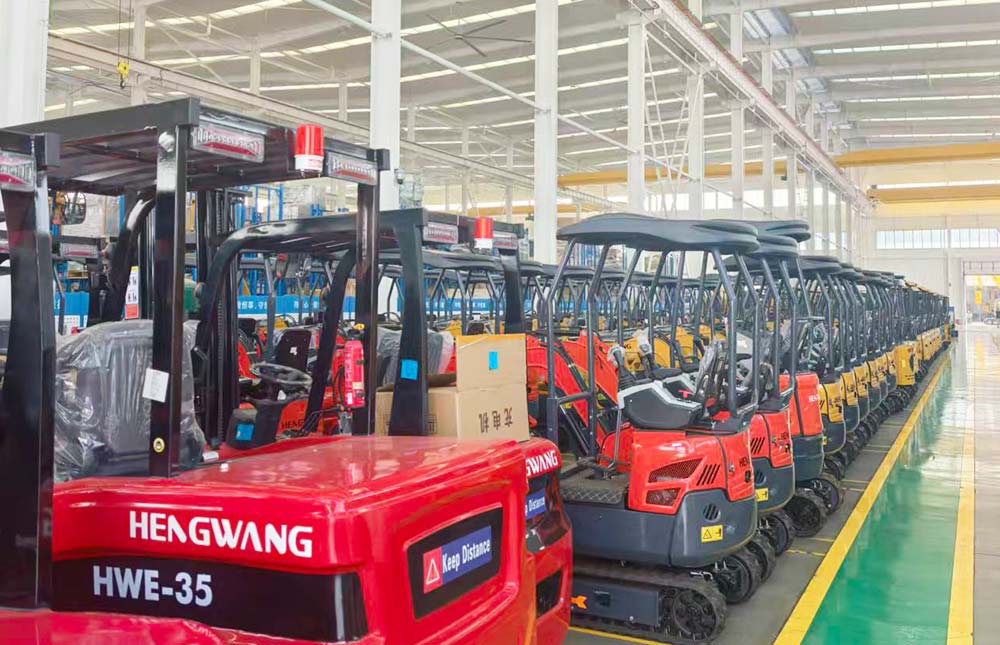
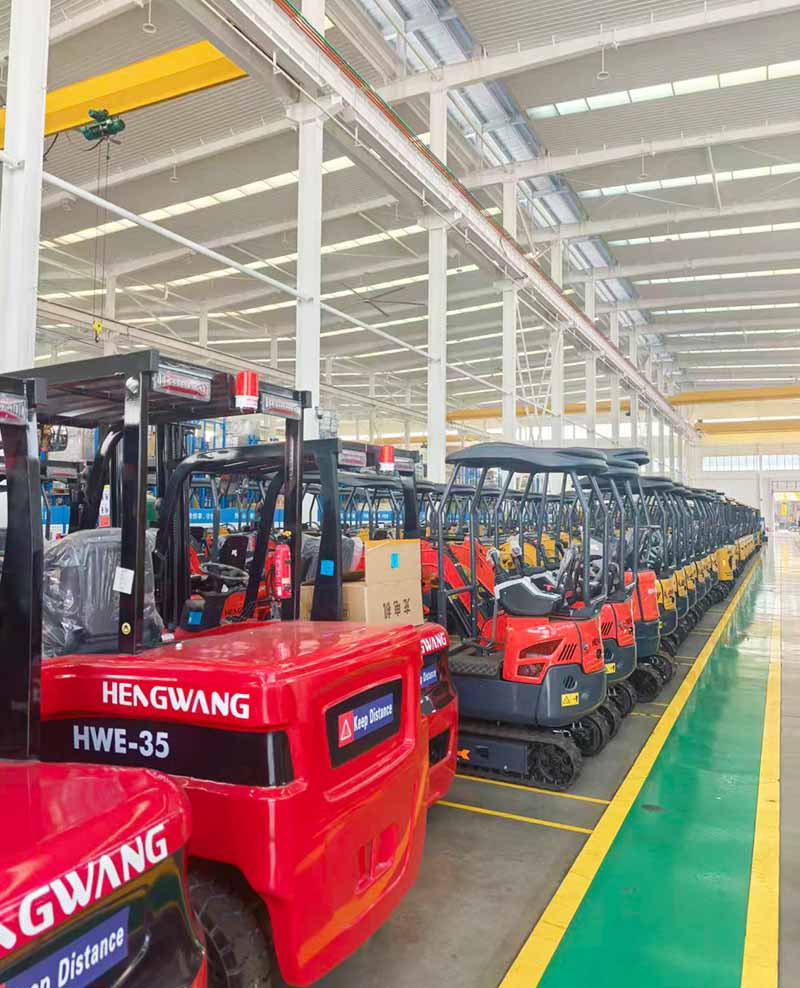
In the fast-evolving world of construction and urban development, mini excavators have become essential machines for small-scale, precise, and versatile tasks. By 2026, best mini excavator models are transforming job sites globally, offering a combination of compact design, powerful engines, advanced hydraulics, and operator-friendly features. From narrow urban alleyways to residential landscaping and municipal projects, these machines provide unmatched productivity and safety.
Global demand for mini excavators has seen steady growth due to the rise of urban construction, compact housing projects, and eco-friendly infrastructure developments. According to a report by MarketsandMarkets, the mini excavator segment is expected to reach $9.8 billion by 2026, growing at a CAGR of 6.4% from 2021. This growth is fueled by innovations in fuel efficiency, hydraulic precision, and smart machine integration.
This article explores the latest models, technical specifications, real-world applications, maintenance practices, cost trends, and safety standards, providing a comprehensive guide for buyers, contractors, and construction professionals.
Evolution of Mini Excavators
Mini excavators first appeared in the 1970s as scaled-down versions of standard excavators, designed for urban construction. Over the decades, innovations in engine technology, hydraulic systems, and compact chassis design have made these machines more versatile. Today, the best mini excavator models combine:
- Compact design: Zero-tail swing for tight spaces
- Enhanced digging and lifting capability: High torque and deep digging reach
- Advanced hydraulics: Precision controls and multifunction attachments
- Operator comfort: Reinforced cabs, air conditioning, skylights, and safety features
Key Features of Modern Mini Excavators
Engine and Power Options
Modern mini excavators are equipped with engines that meet Euro V or EPA Tier 4 emission standards. Popular options include:
- Kubota D902/D1105: 25–29 HP, high fuel efficiency, and durability
- YouPu and KOOP engines: 12–16 HP, suitable for compact operations
- Changchai and Briggs & Stratton engines: Lightweight, reliable, and customizable for local markets
These engines are designed for low fuel consumption, extended operation hours, and compliance with global emission standards.
Hydraulic System Innovations
High-performance hydraulics define modern mini excavators. Features include:
- Load-sensing pumps for precise flow control
- Boom-mounted cylinders for increased digging depth
- Pilot-operated controls for smooth operation
- High-capacity filtration systems to prevent wear in harsh environments
Compact Design and Zero-Tail Swing
True tail-swing-free designs allow seamless operation in narrow urban spaces, making mini excavators ideal for:
- Inner-city construction
- Residential landscaping
- Utility installations
- Municipal maintenance projects
Rubber tracks, compact chassis, and adjustable boom angles improve mobility across diverse terrains, including soft soil, gravel, and slopes.
Operator Comfort and Safety
Modern cabs are ergonomically designed with:
- Tempered glass and skylights for better visibility
- Integrated air conditioning for hot climates
- Safety equipment like fire extinguishers and emergency escape hammers
- One-touch maintenance access and forward-tilting seats
Operator comfort improves productivity and reduces fatigue during prolonged work hours.
Comparative Analysis of Top Mini Excavator Models
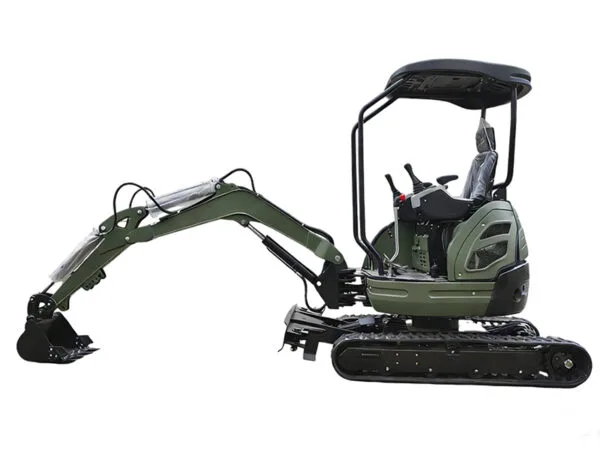
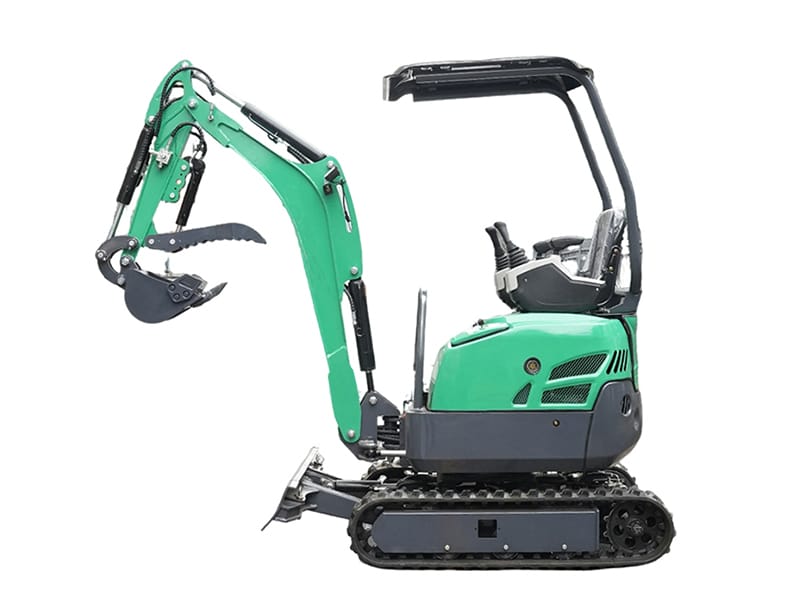
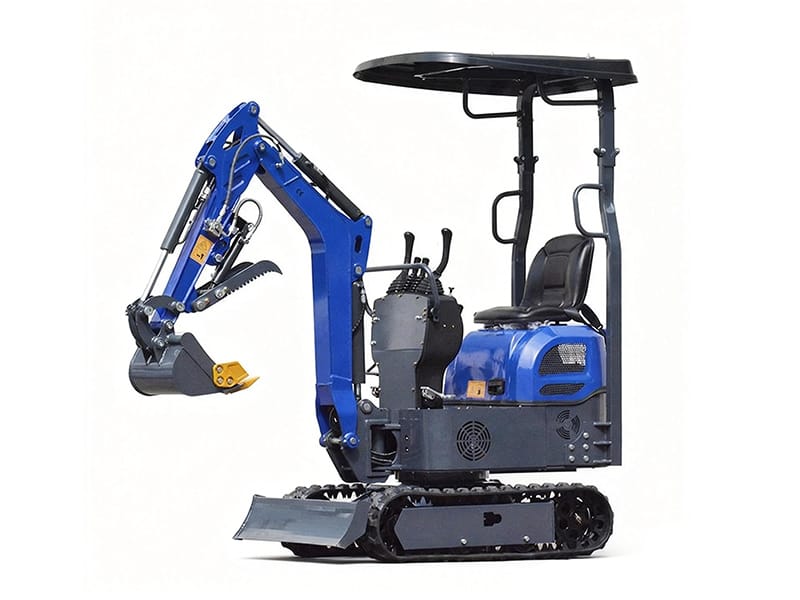
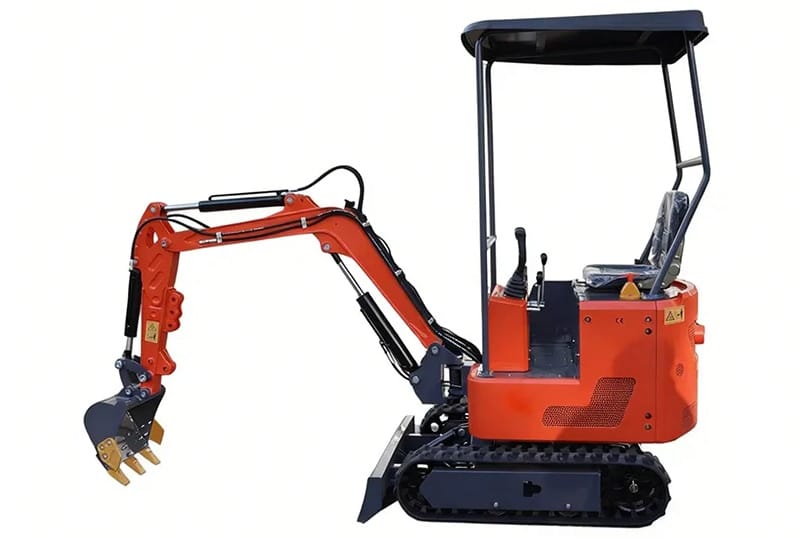
| Model | Engine Power | Max Dig Depth | Operation Weight | Bucket Capacity | Tail Swing Type | Key Application |
|---|---|---|---|---|---|---|
| Mini Excavator 25 | 25–29 HP | 2200 mm | 2780 KG | 0.06 m³ | True Tailless | Urban & municipal construction |
| Mini Excavator 16 | 10–16 HP | 1700 mm | 1795 KG | 0.04 m³ | Partial Tailless | Residential & small projects |
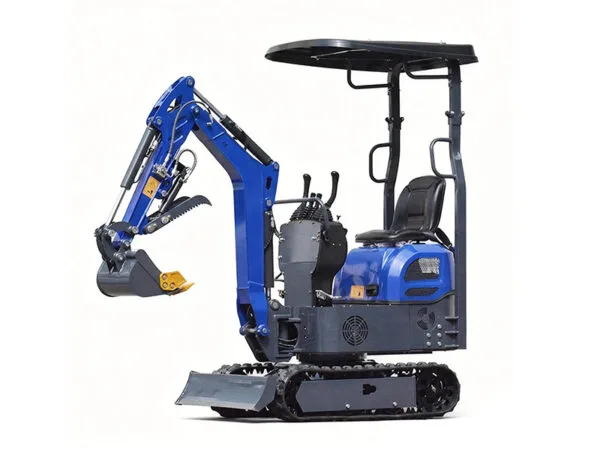
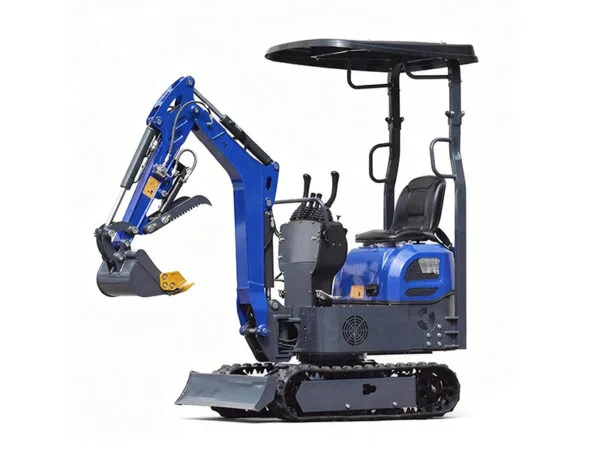
| Mini Excavator 12U | 12–13.5 HP | 1620 mm | 1200 KG | 0.024 m³ | True Zero-Tail | Tight urban & landscaping |
| Mini Excavator 10 | 12–13.5 HP | 1620 mm | 1200 KG | 0.024 m³ | Tail-Swing-Free | Compact sites & municipal projects |
Insight: Higher-powered models offer deeper digging and larger lifting capacity, while smaller models excel in maneuverability and low fuel consumption. Selection depends on project type, terrain, and operator requirements.
Real-World Applications and Case Studies
Urban Construction – Shanghai Residential Project
- Model Used: Mini Excavator 16
- Application: Landscaping and foundation work
- Outcome: Reduced labor costs by 18%, increased operational efficiency by 22%
Municipal Park Construction – Dubai, UAE
- Model Used: Mini Excavator 25
- Application: Pathway excavation, tree planting
- Outcome: Completion 20% faster than standard machines, recognized for efficient fuel consumption
Industrial Site Maintenance – Germany
- Model Used: Mini Excavator 12U
- Application: Factory utility installations in tight areas
- Outcome: Zero site accidents reported, high maneuverability reduced downtime
These case studies highlight the importance of choosing the right mini excavator model based on project size, terrain, and operational requirements.
Safety Standards and Compliance
International Standards
- ISO 9001: Quality management in manufacturing
- CE Certification: European safety and operational standards
- EPA Tier 4 / Euro V: Engine emissions compliance
- OSHA Guidelines: Safe operation practices on construction sites
Adherence to these standards ensures operator safety, equipment longevity, and regulatory compliance.
Maintenance and Longevity Practices
- Regular inspection of hydraulic hoses and cylinders
- Lubrication of pivot points and moving parts
- Cleaning air filters monthly to prevent engine overheating
- Periodic inspection of rubber tracks and undercarriage
- Monitoring fuel and hydraulic fluid quality
Proper maintenance extends the service life of mini excavators to 10–15 years, depending on usage intensity and environmental conditions.
Technological Innovations in 2026
- Smart Excavators: IoT-enabled monitoring for fuel efficiency, predictive maintenance, and GPS tracking
- Noise Reduction Systems: Quieter operation suitable for urban environments
- Multi-functional Attachments: Hydraulic hammers, grapples, augers, and rippers for diverse applications
- Fuel Efficiency Enhancements: Optimized injection systems and larger fuel tanks
These innovations improve productivity, reduce operational costs, and make mini excavators safer and more versatile.
Cost Analysis and ROI
| Model | Price Range (USD) | Notes |
|---|---|---|
| Mini Excavator 25 | 28,000–35,000 | High-power, urban & municipal use |
| Mini Excavator 16 | 18,000–24,000 | Compact, small-to-medium projects |
| Mini Excavator 12U | 12,000–16,000 | Tight spaces, landscaping |
| Mini Excavator 10 | 10,500–14,000 | Ultra-compact, entry-level |
ROI Insight: Investing in a higher-spec mini excavator often results in faster project completion, reduced fuel usage, and lower maintenance costs. Properly maintained machines can pay for themselves within 3–5 years in terms of efficiency and reduced labor expenses.
FAQ
Q1: Which mini excavator is best for narrow urban sites?
A1: Models with zero-tail swing, such as the Mini Excavator 12U or 10, provide maximum maneuverability without compromising digging performance.
Q2: How long can a mini excavator operate before major maintenance?
A2: Typically, machines can operate 3,000–5,000 hours before major overhauls, depending on operating conditions and maintenance quality.
Q3: Can attachments like augers and hammers be used interchangeably?
A3: Yes, modern mini excavators support multiple attachments as long as hydraulic flow and pressure ratings match the accessory requirements.
Q4: Are these machines suitable for landscaping projects?
A4: Absolutely. Compact size, precision hydraulics, and zero-tail swing make mini excavators ideal for residential landscaping, tree planting, and irrigation installation.
Q5: What safety features are essential?
A5: Reinforced cab structures, emergency escape hammers, fire extinguishers, visibility enhancements, and tail-swing awareness systems are critical for safe operations.
Q6: How do I choose between Mini Excavator 16 and 25?
A6: Use the 25 model for heavy-duty urban or municipal projects with deeper digging requirements, and the 16 for smaller construction sites or landscaping where maneuverability is key.
Conclusion
The 2026 lineup of best mini excavator models provides an unprecedented combination of efficiency, compactness, and versatility. With advancements in engine technology, hydraulics, tail-swing-free design, operator comfort, and fuel efficiency, modern mini excavators can tackle a variety of construction and landscaping projects with precision and reliability.
Selecting the right mini excavator depends on site requirements, project scale, operator experience, and cost considerations. Whether you need maximum digging depth, exceptional mobility, or multi-functional capabilities, investing in a high-quality mini excavator ensures long-term productivity, reduced operating costs, and enhanced safety. By following maintenance best practices and leveraging technological innovations, contractors and homeowners alike can maximize the value of these machines well into the future.
Thank you for taking the time to read our guide on excavators. We hope the insights and tips shared here help you make smarter choices for your construction projects.
For more expert advice, updates, and discussions on heavy machinery, follow our Facebook page and stay connected with our community.