Key Takeaways
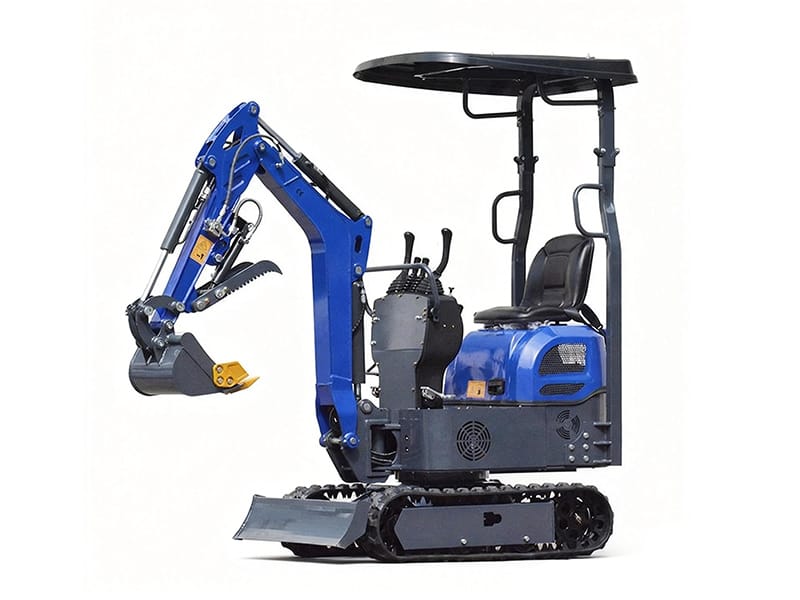
- The global market for mini excavators for sale is expanding due to urban construction and infrastructure upgrades
- Machine selection depends on tonnage, hydraulic system performance, and digging depth
- Total cost of ownership (TCO) matters more than initial purchase price
- New, used, and rental options serve different contractor strategies
- Attachments significantly increase machine utilization and ROI
- Industry standards and real project data help buyers make more accurate decisions
Introduction
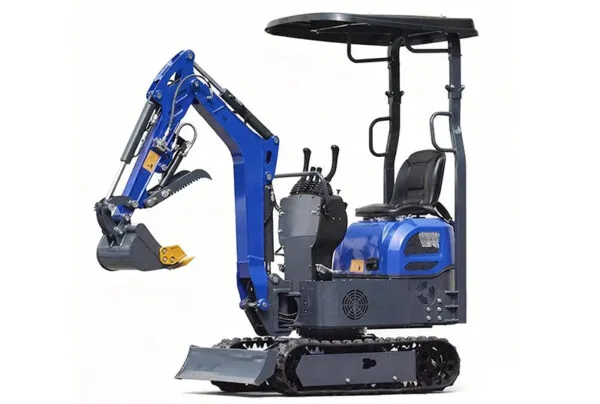
The demand for mini excavators for sale has grown steadily over the past decade as construction projects become more space-constrained and efficiency-driven. According to global construction equipment reports, compact excavators account for more than 35% of all excavator sales in urban markets.
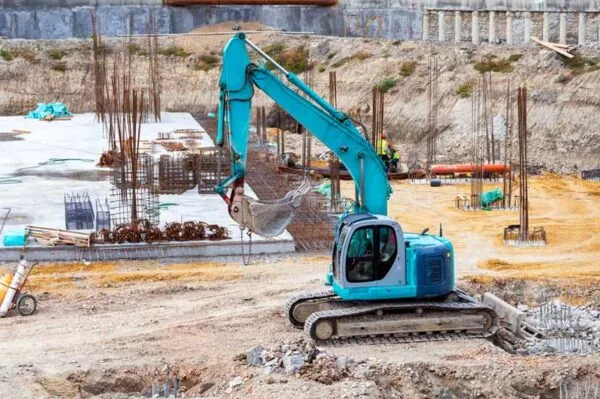
These machines are widely used in infrastructure maintenance, residential construction, agriculture, and utility installation. Their compact structure combined with hydraulic power makes them essential tools for modern contractors.
In cities where access space is limited and labor costs are rising, mini excavators are increasingly replacing manual excavation methods and even larger machines for specific tasks.
Table of Contents
Mini Excavators for Sale Market Overview and Industry Growth
Global Market Expansion Trends
The compact construction equipment industry has experienced annual growth rates between 4% and 6% over the last five years.
Key drivers include:
- Rapid urbanization
- Smart city construction projects
- Infrastructure renewal programs
- Labor shortage in construction sectors
Regional Demand Distribution
| Region | Market Demand Level | Key Applications |
|---|---|---|
| North America | High | Residential + rental fleets |
| Europe | High | Green construction + utilities |
| Asia-Pacific | Very High | Urban infrastructure expansion |
| Middle East | Medium | Oil + infrastructure projects |
Concept: Urban Construction Equipment Shift
The shift from large-scale excavation to compact machinery is driven by urban density constraints, environmental regulations, and cost optimization strategies.
Technical Breakdown of Mini Excavators for Sale
Operating Weight Classification
Mini excavators are typically categorized as:
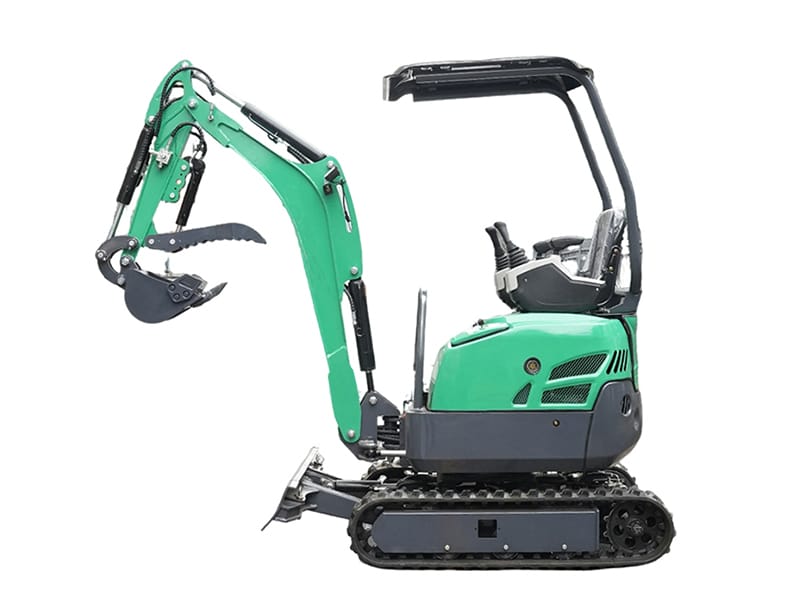
- Micro: under 1 ton
- Compact: 1–3 tons
- Standard mini: 3–6 tons
- Heavy mini: 6–10 tons
Concept: Ton-Class Engineering Design Logic
Machine tonnage directly influences hydraulic pressure capacity, structural frame reinforcement, and digging force distribution.
Engine and Hydraulic System Performance
Modern mini excavators use diesel engines compliant with Tier 4 / Euro V emission standards.
Typical specifications:
- Engine power: 10HP–70HP
- Hydraulic pressure: 180–250 bar
- Flow rate: 20–120 L/min
Concept: Hydraulic Efficiency Conversion System
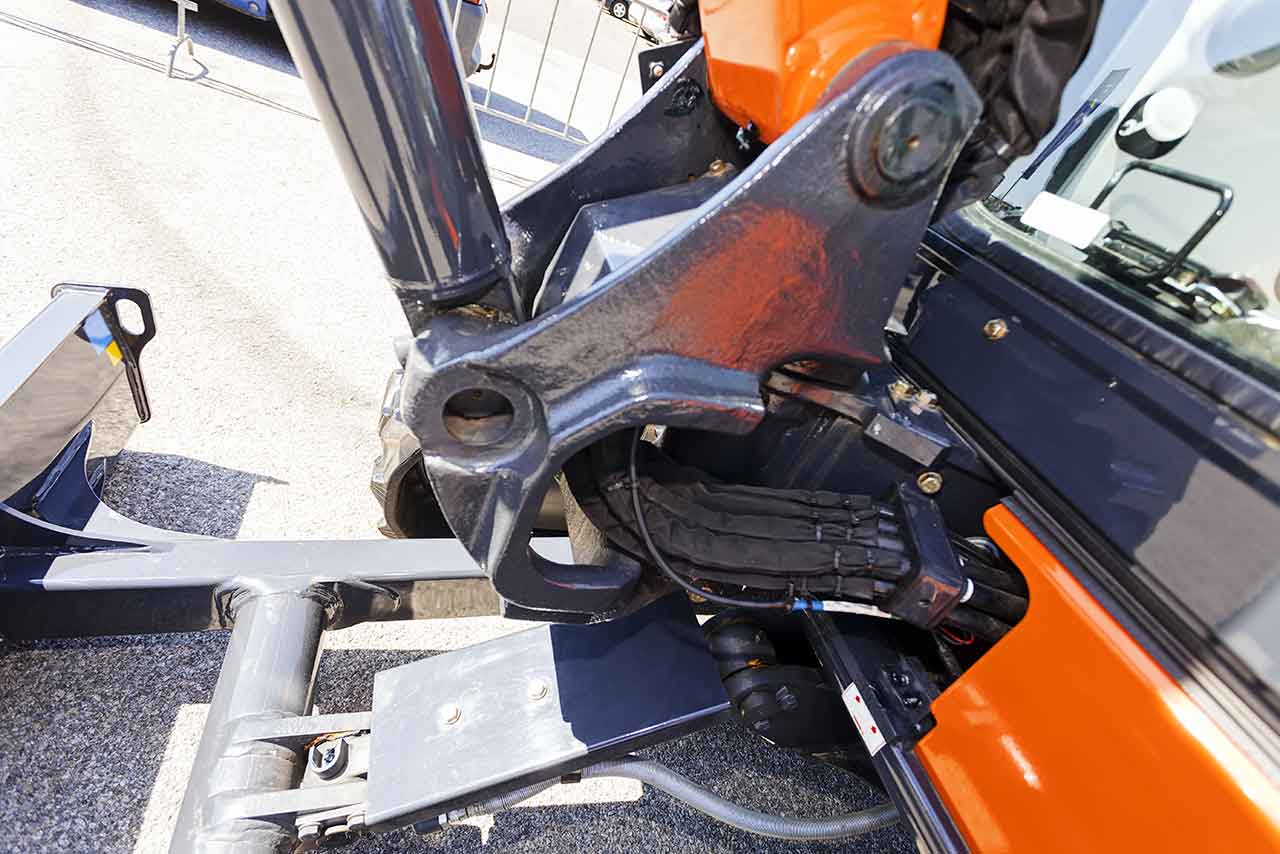
Hydraulic systems convert engine energy into mechanical force through pressurized fluid transmission, enabling high torque at low RPM.
Digging Depth and Reach Performance
| Machine Class | Max Dig Depth | Max Reach |
|---|---|---|
| 1 ton | 1.8–2.2 m | 3–3.5 m |
| 3 ton | 2.5–3.2 m | 4–5 m |
| 5 ton | 3.5–4.2 m | 5–6 m |
| 8 ton | 4.5–5.5 m | 6–7 m |
Mini Excavators for Sale Comparison Framework
New vs Used Equipment Analysis
| Factor | New Machines | Used Machines |
|---|---|---|
| Initial Cost | High | Low |
| Warranty | Full manufacturer coverage | Limited or none |
| Downtime Risk | Low | Medium–High |
| ROI Speed | Moderate | Fast |
| Maintenance Predictability | High | Variable |
Concept: Equipment Lifecycle Economics
The real cost of mini excavators for sale is determined by lifecycle economics rather than purchase price alone. This includes maintenance cycles, fuel consumption, and resale value.
Rental vs Purchase Strategy
Rental Advantages
- No capital investment
- Flexible project scaling
- Maintenance included
Purchase Advantages
- Long-term cost savings
- Asset ownership
- Higher utilization control
Engineering Standards and Compliance Systems
Global Certification Standards
Mini excavators typically comply with:
- ISO 12117 (Safety standards for excavators)
- ISO 10968 (Operator controls)
- CE certification (European market compliance)
- EPA Tier 4 emission standards
Concept: Safety Engineering Framework
Modern machines are designed under layered safety frameworks including hydraulic lock systems, rollover protection structures (ROPS), and emergency shut-off mechanisms.
Application Scenarios of Mini Excavators for Sale
Urban Infrastructure Projects
Used for:
- Road repair
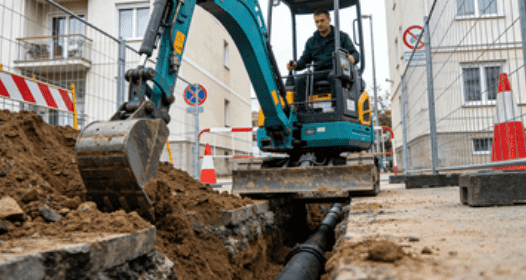
- Underground cable installation
- Drainage systems
Agricultural Engineering
Applications include:
- Irrigation trenching
- Land leveling
- Orchard maintenance
Demolition and Recycling Work
Mini excavators are widely used in:
- Light structure demolition
- Material sorting
- Construction waste handling
Attachment Ecosystem and Functional Expansion
Standard Attachments
- Hydraulic breaker
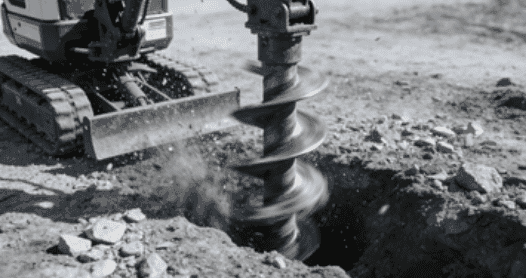
- Auger drill
- Tilt bucket
- Grapple system
- Ripper tool
Concept: Modular Equipment Architecture
Attachments transform mini excavators for sale into multi-functional platforms capable of performing drilling, lifting, crushing, and grading tasks.
Productivity Impact of Attachments
Studies show attachment use can increase machine utilization efficiency by 40–65%, significantly improving ROI for contractors.
Cost Structure and Investment Breakdown
Market Pricing Overview
| Category | Price Range |
|---|---|
| Micro excavators | $5,000 – $12,000 |
| Compact excavators | $12,000 – $30,000 |
| Standard mini | $30,000 – $55,000 |
| Heavy mini | $55,000 – $80,000 |
Concept: Total Cost of Ownership (TCO Model)
TCO includes:
- Fuel consumption (20–35% of lifetime cost)
- Maintenance (15–25%)
- Operator training (5–10%)
- Depreciation (30–40%)
Real-World Case Study Analysis
Case Study: Urban Drainage Project
A contractor used 3-ton mini excavators for underground drainage installation in a dense urban district.
Results:
- Project time reduced by 28%
- Labor cost reduced by 35%
- Excavation accuracy improved by 22%
Case Study: Agricultural Land Development
A farming operation deployed multiple mini excavators for irrigation trenching across 80 hectares.
Results:
- Water distribution efficiency improved by 40%
- Soil preparation time reduced by 50%
Maintenance Strategy and Operational Optimization
Preventive Maintenance System
- Hydraulic oil replacement every 500–800 hours
- Filter replacement every 250 hours
- Track inspection weekly
Concept: Predictive Maintenance Systems
Modern machines increasingly use sensor-based monitoring to detect hydraulic pressure anomalies and engine wear patterns before failure occurs.
Market Trends and Future Development
Electrification of Mini Excavators
Electric models are gaining adoption due to:
- Zero emissions
- Lower operating noise
- Reduced maintenance complexity
Smart Construction Integration
New models include:
- GPS tracking
- Remote diagnostics
- Automated digging assistance
Rental Platform Expansion
Digital equipment rental platforms are reshaping how contractors access mini excavators for sale equivalents through short-term leasing models.
Conclusion
The market for mini excavators for sale continues to expand due to increasing demand for compact, efficient, and versatile construction equipment. Understanding technical specifications, lifecycle cost models, and application scenarios is essential for making informed purchasing decisions.
Whether used for construction, agriculture, or urban infrastructure, mini excavators remain one of the most valuable assets for modern contractors seeking efficiency, flexibility, and long-term ROI.
FAQ
What is the best size mini excavator for construction?
Most contractors choose 3–6 ton models for balanced power and mobility.
Are mini excavators profitable for rental business?
Yes, ROI is strong due to high demand in construction and landscaping sectors.
How long do mini excavators last?
Typically 8–15 years depending on maintenance quality and usage intensity.
What affects mini excavator price the most?
Brand, engine power, hydraulic system quality, and attachment compatibility.
Can mini excavators replace larger machines?
In many urban and confined-space applications, yes—they are often more efficient.
Thank you for taking the time to read our guide on excavators. We hope the insights and tips shared here help you make smarter choices for your construction projects.
For more expert advice, updates, and discussions on heavy machinery, follow our Facebook page and stay connected with our community.