Table of Contents
Key Points Covered in This Blog
- Understanding what a long reach excavator is and its main features.
- Differences between long reach and standard excavators.
- Key specifications to consider when choosing.
- Maintenance and operational tips for efficiency.
- Popular applications and industry use cases.
- Cost comparison and purchase considerations.
- Industry standards and safety regulations.
- Real-world case studies and success stories.
- Frequently asked questions for buyers.
Introduction
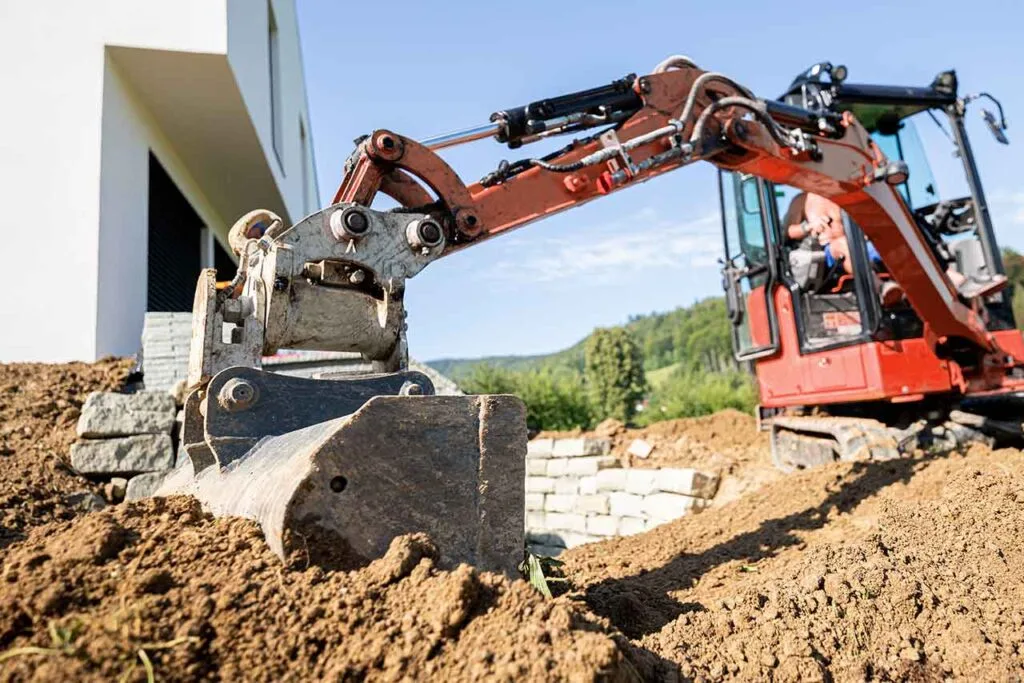
In modern construction, demolition, dredging, and large-scale excavation projects, long reach excavators have become essential. Their extended boom and arm allow operators to perform tasks that standard machines cannot reach efficiently. According to the 2023 Global Construction Machinery Report by MarketsandMarkets, the long reach excavator market is expected to grow at a CAGR of 6.7% from 2023 to 2030, driven by rising infrastructure projects and the need for high-reach demolition and dredging solutions.
These machines not only increase efficiency but also improve safety by allowing operators to work from a distance. In this article, we’ll explore everything from technical specifications to operational tips, helping you choose the perfect long reach excavator for your needs.
What Is a Long Reach Excavator?
Definition and Concept
A long reach excavator is a specialized excavator designed with an extended boom and arm, enabling operations at greater distances than standard excavators. They are ideal for tasks like deep excavation, river dredging, demolition, and material handling in areas where mobility is limited.
Key Components
- Extended Boom: Provides reach up to 35 meters or more for large-scale projects.
- High-Strength Arm: Built to handle heavy loads while maintaining precision.
- Enhanced Stability: Wider tracks and counterweights ensure balance during long-reach operations.
- Hydraulic System: High-flow hydraulics provide power for attachments and heavy lifting.
Popular Models and Manufacturers
Some of the leading long reach excavator manufacturers include:
- Hitachi ZX490LCH-6 Long Reach – Max reach: 31 m, Engine: 365 hp
- Volvo EC950F LR – Max reach: 30 m, Engine: 405 hp
- Caterpillar 374F L – Max reach: 33 m, Engine: 426 hp
These models are widely used in Europe, North America, and Asia for demolition and dredging projects.
Long Reach Excavator vs Standard Excavator
Size and Reach Comparison
| Feature | Long Reach Excavator | Standard Excavator |
|---|---|---|
| Maximum Reach | 20–35 meters | 10–15 meters |
| Typical Weight | 20–50 tons | 5–25 tons |
| Engine Power | 300–450 hp | 80–250 hp |
| Applications | Demolition, dredging, deep excavation | General construction, landscaping |
Operational Differences
- Mobility: Standard excavators are better suited for tight spaces and urban projects.
- Precision at Distance: Long reach models allow high-precision operation at extended ranges.
- Safety Considerations: Working at height or over water requires counterweights and extended boom stability.
Case Study: Coastal Dredging in the Netherlands
A 2022 dredging project in Rotterdam used a Hitachi ZX490LCH-6 Long Reach Excavator to remove over 50,000 cubic meters of silt. The extended boom allowed operation from a stable shoreline, reducing the risk of waterway accidents and improving project efficiency by 25%.
Key Specifications to Consider When Choosing a Long Reach Excavator
Boom and Arm Length
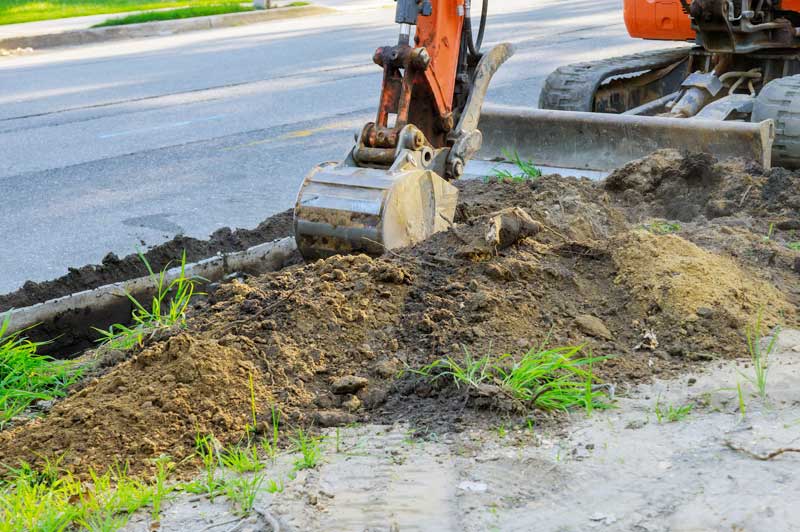
Boom length and arm length determine the maximum reach. For example, a Volvo EC950F LR can reach up to 30 meters, ideal for high-rise demolition or deep river dredging. Longer booms may require additional counterweights to maintain balance.
Engine Power and Hydraulic Capacity
Adequate engine horsepower (300–450 hp for most long reach models) and hydraulic flow rates (500–700 L/min) ensure smooth operation. Machines with insufficient power may struggle with heavy loads or extended reach.
Bucket and Tool Options
Attachments expand the machine’s versatility:
- Demolition Shears: For cutting steel and concrete.
- Dredging Buckets: For underwater sediment removal.
- Grapples and Crushers: For material handling and recycling projects.
Noise and Emission Standards
Modern long reach excavators meet EU Stage V and EPA Tier 4 Final emission standards, reducing environmental impact and complying with global regulations.
Applications of Long Reach Excavators
Demolition
Long reach excavators can safely demolish multi-story buildings from a distance, reducing risk to workers and surrounding structures.
River Dredging and Marine Projects
They are widely used in dredging rivers, lakes, and harbors. For instance, the Port of Antwerp project used multiple long reach excavators to deepen shipping channels while minimizing operational downtime.
Construction and Large-Scale Excavation
Perfect for deep foundation work, canal projects, and mining site preparation. Extended reach allows operators to work over obstacles without repositioning frequently.
Environmental Cleanup
Used for removing debris or contaminated soil in ecological restoration projects.
Long Reach Excavator Maintenance Tips
Regular Inspection
Weekly checks on hydraulic lines, boom pins, and engine performance prevent costly downtime.
Lubrication and Fluid Checks
Proper lubrication of moving parts and monitoring hydraulic, engine, and coolant fluids ensures smooth operation and longevity.
Track and Stability Monitoring
Check tracks for wear and ensure counterweights are properly installed to maintain balance during long reach operations.
Recommended Maintenance Schedule
| Component | Frequency | Notes |
|---|---|---|
| Hydraulic System | Daily | Check for leaks, pressure levels |
| Engine | Weekly | Inspect oil levels and filters |
| Boom and Arm | Monthly | Inspect pins and structural wear |
| Tracks | Monthly | Check tension, wear, and alignment |
Cost and Purchase Considerations
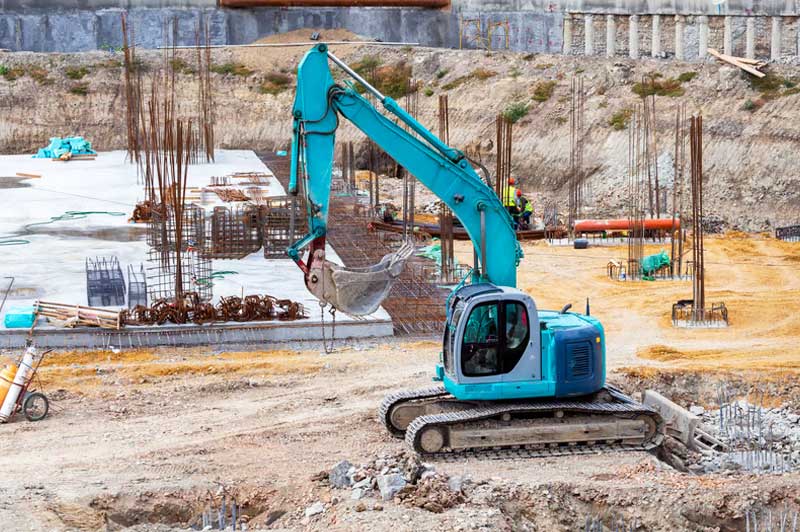
New vs Used Excavators
- New Models: Offer latest tech, fuel efficiency, and warranties but are more expensive.
- Used Models: Lower upfront cost but require detailed inspection for wear, hydraulic leaks, and previous maintenance.
Rental Options
Short-term projects may benefit from renting, reducing investment cost and maintenance responsibility.
Purchase Checklist
- Required reach and height.
- Job site accessibility and terrain.
- Engine power and hydraulic requirements.
- Attachments needed for your project.
- Compliance with local safety and emission regulations.
Industry Standards and Safety Regulations
ISO Standards
- ISO 20474: Safety requirements for earth-moving machinery.
- ISO 12100: General principles for machine safety.
OSHA Guidelines (U.S.)
- Operators must complete certified training.
- Ensure proper PPE (Personal Protective Equipment) during demolition or dredging.
CE and EPA Compliance
Machines sold in Europe must meet CE marking standards, while U.S. models comply with EPA Tier 4 emission regulations.
Real-World Case Studies
Case 1: High-Rise Demolition in Tokyo, Japan
A Caterpillar 374F L Long Reach Excavator demolished a 20-story building while minimizing vibration to nearby structures. Project time reduced by 15% compared to using standard excavators.
Case 2: River Dredging in the Netherlands
Multiple long reach excavators removed 50,000 m³ of silt from Rotterdam waterways. Project efficiency increased by 25%, with minimal environmental disruption.
Case 3: Construction Excavation in UAE
Volvo EC950F LR used for deep excavation in Dubai infrastructure projects, achieving 30% faster completion due to extended reach and advanced hydraulics.
Long Reach Excavator Buying Guide
Step 1: Identify Project Needs
Determine maximum reach, load capacity, and terrain requirements.
Step 2: Evaluate Specifications
Compare engine power, hydraulic flow, boom length, and counterweight balance.
Step 3: Review Attachments and Versatility
Ensure machine supports necessary attachments for your operations.
Step 4: Check Regulatory Compliance
Verify CE, EPA, or local safety certifications.
Step 5: Consider New, Used, or Rental Options
Balance budget with performance and maintenance needs.
Long Reach Excavator vs Other Excavator Types
Mini Excavator Comparison
| Feature | Long Reach Excavator | Mini Excavator |
|---|---|---|
| Max Reach | 20–35 m | 3–6 m |
| Engine Power | 300–450 hp | 15–50 hp |
| Ideal Use | Demolition, dredging, deep excavation | Small-scale digging, landscaping |
| Cost | High | Low |
Standard Excavator Comparison
| Feature | Long Reach Excavator | Standard Excavator |
|---|---|---|
| Max Reach | 20–35 m | 10–15 m |
| Weight | 20–50 tons | 5–25 tons |
| Applications | Specialized high-reach tasks | General construction |
| Safety Considerations | Requires counterweights for stability | Less critical |
Concept: Choosing the right excavator depends on reach, power, project size, and safety requirements. For high-reach, heavy-duty operations, long reach excavators dominate; for smaller, mobile tasks, mini or standard excavators are more suitable.
Latest Industry Trends
Smart Technology Integration
Long reach excavators are increasingly equipped with GPS, telematics, and AI-assisted control systems. This allows operators to optimize reach, monitor fuel consumption, and improve safety on site.
Green and Electric Models
Several manufacturers, including Volvo and Hitachi, are experimenting with hybrid or fully electric long reach excavators to reduce emissions and noise levels.
Automation in Demolition and Dredging
Semi-autonomous systems help execute precise operations in high-risk environments, such as over water or near hazardous structures.
Case Study: Major Infrastructure Project
Project: Thames River Dredging, London, 2023
Equipment Used: Hitachi ZX490LCH-6 Long Reach Excavators (x3)
Objective: Remove 75,000 m³ of sediment from the riverbed within six months.
Outcome:
- Project completed 20% faster than projected.
- Reduced operator fatigue due to extended reach capability.
- Environmental monitoring ensured minimal disruption to aquatic life.
Key Takeaway: Long reach excavators improve efficiency, safety, and environmental compliance in large-scale projects.
Operational Best Practices
Pre-Operation Checklist
- Inspect hydraulic lines and fluid levels.
- Check track condition and tension.
- Confirm boom and arm structural integrity.
- Ensure attachments are correctly installed.
Safe Working Techniques
- Always maintain proper counterweight for stability.
- Avoid swinging loads over people or vehicles.
- Work from stable, leveled ground wherever possible.
Productivity Tips
- Use telematics to track fuel and operating hours.
- Rotate operators to prevent fatigue during extended operations.
- Choose the right attachment for each task to reduce unnecessary wear.
Comparing Top Long Reach Excavator Brands
| Brand | Max Reach | Engine Power | Unique Feature | Ideal Application |
|---|---|---|---|---|
| Hitachi ZX490LCH-6 | 31 m | 365 hp | Advanced hydraulic system | Demolition & dredging |
| Volvo EC950F LR | 30 m | 405 hp | Fuel-efficient engine | Heavy-duty excavation |
| Caterpillar 374F L | 33 m | 426 hp | High-stability counterweight | High-rise demolition |
| Komatsu PC4000-LR | 34 m | 450 hp | Telemetry & monitoring | Large-scale dredging |
Concept: Selecting a brand should balance reach, hydraulic efficiency, fuel economy, and after-sales support.
Conclusion
Choosing the perfect long reach excavator involves careful consideration of project requirements, machine specifications, attachments, and safety standards. By evaluating reach, engine power, hydraulic capacity, and brand reliability, you can select a machine that maximizes efficiency, reduces operational risks, and meets environmental and regulatory compliance.
Incorporating industry trends such as smart technology, hybrid engines, and semi-autonomous systems ensures that your long reach excavator remains a valuable investment for years to come.
FAQ
1. How far can a long reach excavator reach?
Most models reach 20–35 meters, depending on the boom and arm configuration.
2. Are long reach excavators more expensive than standard excavators?
Yes, due to specialized design, longer arms, and advanced stability systems.
3. Can I use a long reach excavator on small job sites?
Limited maneuverability may make standard excavators a better choice for tight urban spaces.
4. How often should I inspect my long reach excavator?
Daily hydraulic and safety checks, weekly engine inspection, and monthly structural inspections of boom, arm, and tracks are recommended to ensure optimal performance and safety.
5. What attachments are most commonly used?
Common attachments include demolition shears, dredging buckets, grapples, hydraulic breakers, and crushers. The right choice depends on the project type—demolition, dredging, or excavation.
6. How do I choose between renting and purchasing?
Consider project duration, frequency of use, and capital budget. Rentals are ideal for short-term projects, while purchasing is cost-effective for frequent long-term operations.
7. Are long reach excavators environmentally friendly?
Modern models comply with EU Stage V and EPA Tier 4 Final emission standards, significantly reducing NOx and particulate emissions compared to older machines.
8. Can long reach excavators be used on uneven terrain?
Yes, but stability is critical. Ensure proper counterweights and avoid operating at extreme arm extensions on slopes.
9. What is the lifespan of a long reach excavator?
With proper maintenance, these machines can operate efficiently for 10–15 years, depending on usage intensity.
10. How does weather affect operations?
Heavy rain or frozen ground can affect traction and stability. Operators should adjust speed and lifting practices accordingly.
11. What certifications do operators need?
In the U.S., OSHA requires certified operator training; in Europe, CE certification and local training standards apply.
12. Can long reach excavators reduce labor costs?
Yes, by allowing one operator to complete tasks that would normally require multiple machines or workers.
13. Are there safety devices for long reach excavators?
Modern models include load sensors, anti-tip systems, and camera monitoring to enhance operator safety.
Thank you for taking the time to read our guide on excavators. We hope the insights and tips shared here help you make smarter choices for your construction projects.
For more expert advice, updates, and discussions on heavy machinery, follow our Facebook page and stay connected with our community.