Key Takeaways
- Understand the key advantages of mini compact excavators in urban projects
- Explore technical specifications and hydraulic performance standards
- Compare different models and their suitability for city construction
- Learn maintenance best practices to ensure long-term efficiency
- Review real-world case studies from municipal and residential projects
- Access data, safety standards, and industry trends
- FAQs addressing operator, buyer, and investor concerns
Table of Contents
Introduction
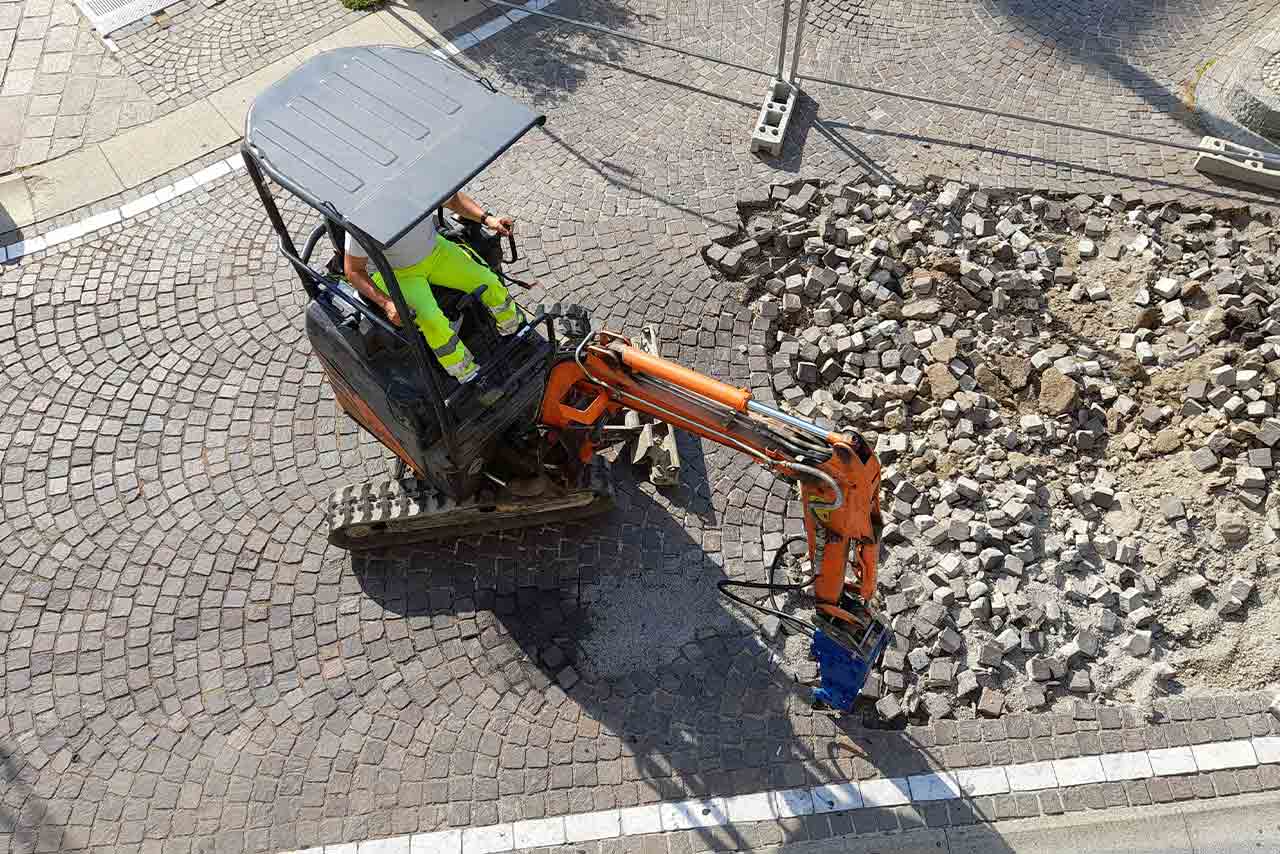
Urban construction has unique challenges: limited workspace, strict safety regulations, high traffic density, and environmental concerns. Conventional large excavators are often inefficient or impossible to operate in these conditions. Mini compact excavators provide a powerful solution: compact yet versatile machines capable of performing complex excavation, landscaping, and material handling tasks in confined city spaces.
According to the Global Construction Equipment Market Report 2024, urban-focused mini excavators have seen a 12% year-on-year growth, driven by smart city projects and infrastructure modernization. Municipalities increasingly prefer machines under 1.5 tons for utility projects, park construction, and residential renovations.
What Is a Mini Compact Excavator?
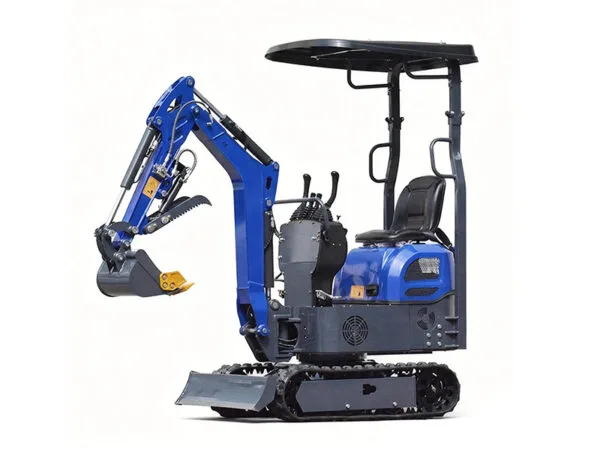
A mini compact excavator is a small-scale hydraulic excavator designed for urban and restricted environments. Unlike standard excavators, these machines feature:
- Reduced tail swing or zero-tail swing designs for safe operation near walls and utilities
- Lightweight construction for easy transport and maneuverability
- Versatile hydraulic systems supporting digging, lifting, grading, and material handling
Key Concepts:
- Tail Swing: The rotation radius of the machine’s counterweight. Zero-tail designs prevent damage in tight urban spaces.
- Hydraulic Filtration: Ensures smooth operation of the boom, arm, and bucket, even in dusty or debris-filled urban sites.
- Rubber Tracks: Protect paved surfaces and enhance traction on uneven terrain.
Key Features and Benefits
Premium Engine Options
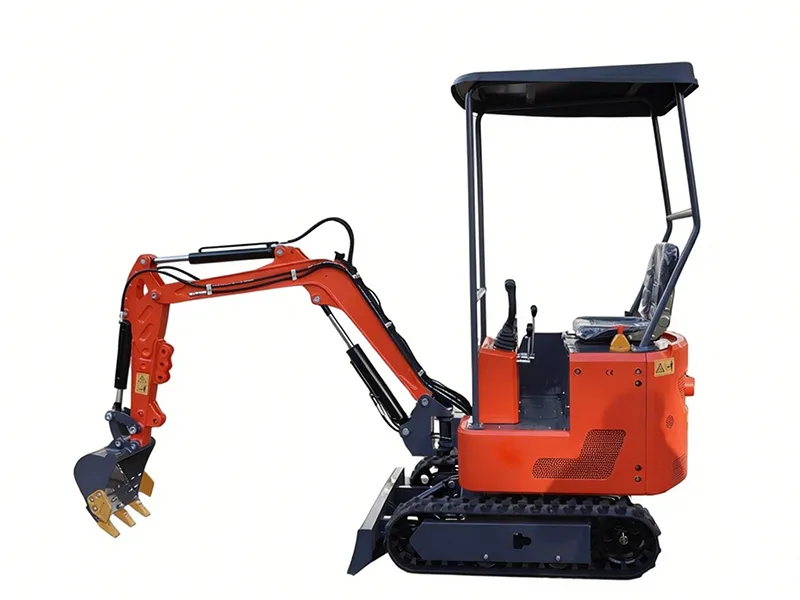
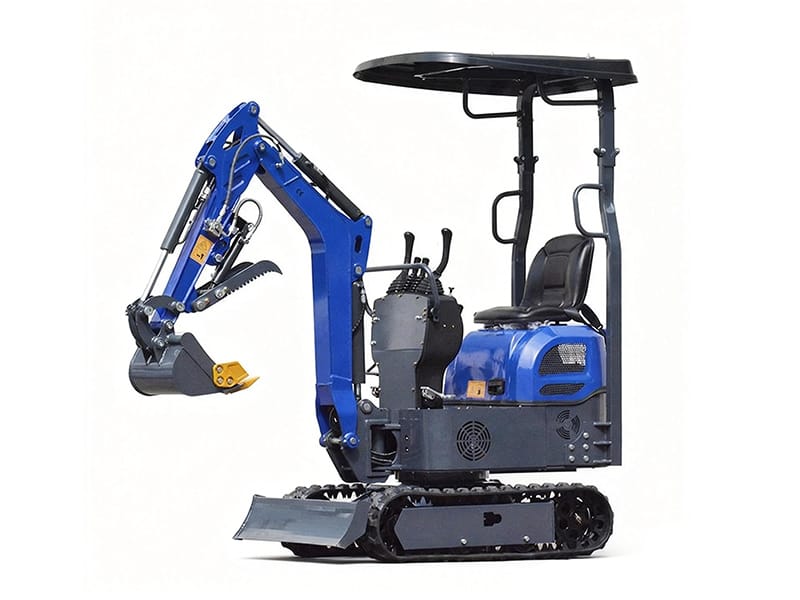
Mini compact excavators like the 1.2T Excavator 10 and 12U are equipped with engines from YouPu, KOOP, or Briggs & Stratton, providing 12–13.5 HP. Key advantages:
- Fuel-efficient designs reducing operational costs
- Consistent power output for light- and medium-duty excavation
- Compliance with Euro Stage V emission standards for urban projects
Advanced Hydraulic System
Hydraulic systems are the backbone of mini excavator performance. Features include:
- Pilot-operated controls for precise movement
- High-pressure filtration to prevent premature wear
- Negative-sensitivity pumps for smooth load handling
- Upgraded hydraulic hoses and cylinders for durability
Compact Design for Urban Environments
Zero-tail or tail-swing-free designs are crucial for city sites:
- Operate safely near buildings, walls, and fences
- Reduce risk of collisions and site damage
- Ideal for landscaping, utility installation, and municipal projects
Operator Comfort and Safety
Urban projects often require long working hours in tight conditions. Safety and comfort are paramount:
- Reinforced cabs with tempered glass
- Integrated air conditioning and roof skylight for visibility
- Fire extinguishers and emergency escape hammers
- Ergonomic seating and controls reduce fatigue
Technical Specifications
| Feature | Mini Excavator 10 | Mini Excavator 12U |
|---|---|---|
| Operating Weight | 1,200 kg | 1,200 kg |
| Bucket Capacity | 0.024 m³ | 0.024 m³ |
| Engine Power | 12–13.5 HP | 12–13.5 HP |
| Max Digging Depth | 1,620 mm | 1,620 mm |
| Tracks | 300 mm rubber | 300 mm rubber |
| Travel Mode | Two-speed | Two-speed |
| Hydraulic System | Pilot control, filtration | Pilot control, filtration |
| Tail Swing Design | Tail-swing-free | True zero-tail-swing |
Insight: Machines with these specifications balance efficiency, safety, and fuel consumption, making them ideal for dense urban environments.
Applications in Urban Construction
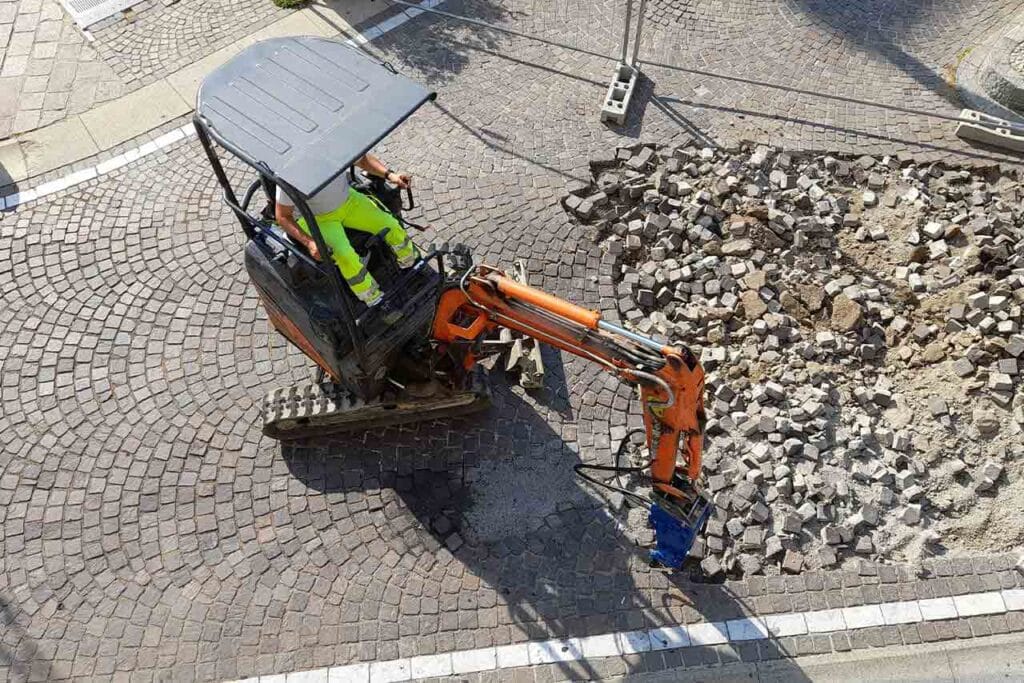
Pipeline and Utility Installation
Mini compact excavators can dig trenches with precision in narrow streets. Example: The Bangkok Smart City Water Line Project (2023) deployed 12 units of 1.2T mini excavators, reducing trench excavation time by 25% compared to standard machines.
Landscaping and Parks
Operators can navigate tight walkways, avoiding damage to existing trees, benches, and urban features. Projects in Singapore’s Bishan-Ang Mo Kio Park successfully used mini excavators for pond restoration and planting.
Residential Renovations
Perfect for backyard landscaping, pool installation, or foundation excavation without disrupting neighbors.
Commercial Urban Projects
Used for small-scale commercial construction, storefront renovations, and street maintenance. The compact size allows easy transport between sites.
Comparative Analysis: Mini Excavator vs Standard Excavator in Urban Projects
| Feature | Mini Excavator | Standard Excavator |
|---|---|---|
| Maneuverability | Excellent | Limited |
| Urban Safety | High | Moderate |
| Fuel Efficiency | 20–30% better | Lower |
| Noise Emission | Low (<80 dB) | Higher (>95 dB) |
| Tail Swing Requirement | Minimal | Large space needed |
Insight: Mini excavators outperform standard excavators in urban sites due to size, safety, and efficiency advantages.
Maintenance Guidelines
Daily Checks
- Inspect hydraulic hoses, fittings, and tracks
- Verify oil, coolant, and fuel levels
- Test emergency equipment and cab controls
Weekly Maintenance
- Clean air filters and hydraulic components
- Check bucket teeth, pins, and attachment bolts
- Adjust track tension for stability
Long-Term Care
- Replace hydraulic fluid and filters per manufacturer schedule
- Inspect engine belts and cooling systems
- Calibrate control systems for precision
Industry Standards and Guidelines
- ISO 10218-1:2011 – Safety requirements for industrial robots and mobile machinery
- EN 474 – Earth-moving machinery safety standards
- EPA Tier 4 / Euro Stage V – Emission standards for urban operation compliance
- Occupational Safety and Health Administration (OSHA) – Operator safety guidelines
Adhering to these standards ensures regulatory compliance, operator safety, and minimal environmental impact.
Case Studies
New York City Sidewalk Renovation (2022)
- Used 15 units of 1.2T mini excavators
- Achieved 30% faster excavation in narrow street corridors
- Zero-tail design minimized sidewalk and property damage
Tokyo Underground Utility Maintenance (2021)
- Deployed mini excavators for water and telecom line maintenance
- Reduced street closure time by 40%
- Improved operator safety with compact cabs and advanced hydraulics
FAQ
Q1: What is the main advantage of a mini compact excavator in cities?
A: Its compact size and tail-swing-free design allow safe operation in narrow, congested urban areas.
Q2: Can a mini excavator handle medium-duty urban construction?
A: Yes, models like the 12U are engineered for light- to medium-duty tasks while maintaining efficiency.
Q3: How long can a mini excavator operate before refueling?
A: Large fuel tanks and optimized engines allow extended operations, typically 6–8 hours depending on workload.
Q4: Are mini compact excavators environmentally friendly?
A: Yes, modern engines comply with Tier 4 / Euro Stage V standards, producing lower emissions and noise.
Q5: What safety features should I check before purchase?
A: Inspect the cab, emergency equipment, tail swing design, and hydraulic reliability to ensure compliance with urban safety standards.
Urban Excavation Trends and News
- Smart City Construction: Mini excavators are increasingly integrated with IoT monitoring systems for predictive maintenance.
- Automation in Excavation: Some urban sites now use teleoperated mini excavators to enhance safety and reduce labor dependency.
- Global Market Growth: According to MarketsandMarkets, the mini excavator segment is expected to grow at 7.5% CAGR globally from 2023–2030.
Conclusion
Mini compact excavators are indispensable for urban construction. With their compact design, advanced hydraulics, fuel-efficient engines, and operator-friendly cabs, they deliver high productivity, safety, and versatility in confined spaces. Proper selection, operation, and maintenance allow construction teams to maximize efficiency, reduce costs, and complete projects with precision.
For municipalities, residential developers, and urban contractors, investing in mini compact excavators ensures projects are completed on time, safely, and sustainably.
Thank you for taking the time to read our guide on excavators. We hope the insights and tips shared here help you make smarter choices for your construction projects.
For more expert advice, updates, and discussions on heavy machinery, follow our Facebook page and stay connected with our community.