Introduction

Over the past decade, compact construction equipment has become one of the fastest-growing categories in the global machinery market. Rising urbanization, tighter construction spaces, increasing labor costs, and infrastructure upgrades have all accelerated demand for smaller, more flexible excavation equipment.
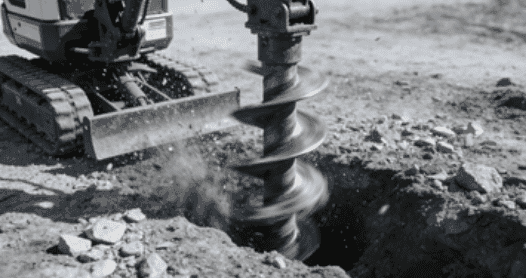
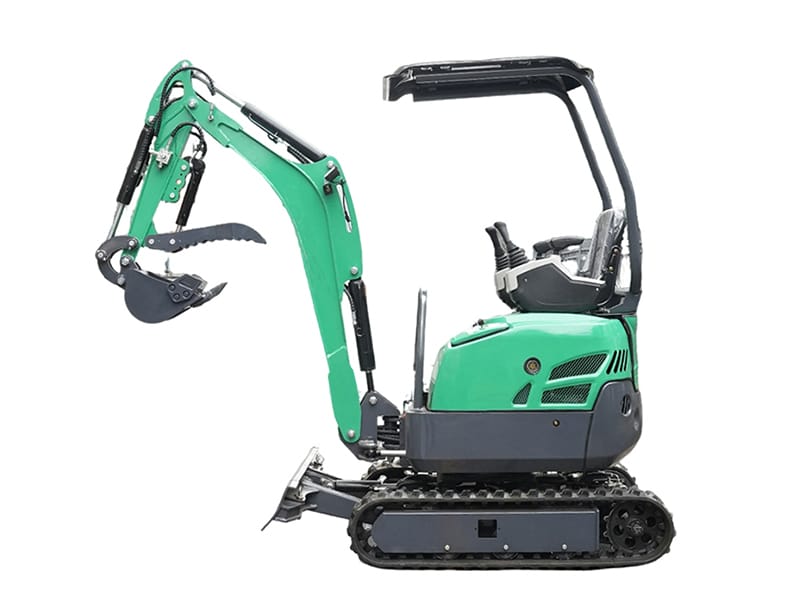
Among these machines, the mini chinese excavator has become a major focus for contractors, rental companies, landscaping businesses, farms, and municipal engineering teams worldwide.
According to industry market research:
- The global compact excavator market is projected to exceed USD 11 billion by 2030
- Mini excavators under 3 tons account for over 45% of compact equipment demand
- Asia-Pacific manufacturing now supplies a large percentage of global compact excavator exports
- Chinese mini excavator exports have continued growing due to improved hydraulic systems, engine reliability, and international quality standards
Modern Chinese compact excavators are no longer viewed simply as low-cost alternatives. Today’s models integrate:
- Imported hydraulic technology
- Kubota and Briggs & Stratton engine systems
- Pilot control systems
- Zero-tail-swing structures
- Reinforced operator safety systems
This evolution has significantly improved durability, fuel efficiency, and overall operational performance.
For buyers looking for compact equipment with strong value, modern engineering, and flexible applications, selecting the best mini chinese excavator has become an important investment decision.
Key Takeaways
- Why mini chinese excavator demand is growing globally
- Differences between 1T, 1.2T, 2T, and 2.5T compact excavators
- Important engine and hydraulic technologies explained
- Fuel efficiency and operating cost analysis
- Comparison between imported and domestic components
- Real construction and landscaping application examples
- International standards and export considerations
- Frequently asked buyer questions before purchasing
Table of Contents
What Is a Mini Chinese Excavator?
Compact Excavation Equipment Explained
A mini chinese excavator is a compact hydraulic digging machine typically designed for:
- Small construction sites
- Landscaping projects
- Agricultural work
- Urban utility installation
- Indoor demolition work
These machines usually operate between:
- 1 ton and 3 tons operating weight
- Rubber track systems
- Compact tail structures
- Hydraulic boom and bucket systems
Unlike large excavators, compact models are designed for flexibility, transport convenience, and lower ownership cost.
Why Mini Excavators Have Become So Popular
Modern cities increasingly require excavation work in:
- Narrow streets
- Residential zones
- Underground utility systems
- Space-restricted commercial areas
Large machines cannot efficiently operate in these environments.
In many countries, labor costs continue rising annually. Compact excavators help reduce:
- Manual digging requirements
- Workforce size
- Project completion time
This improves contractor profitability.
Global Mini Excavator Market Trends
Industry Growth Statistics
Recent market reports indicate:
- Global compact excavator demand is growing at approximately 5–7% CAGR
- Infrastructure investment continues increasing in Southeast Asia, Africa, and South America
- Urban renewal projects are driving demand for compact construction equipment
Mini excavators are now among the most frequently rented construction machines globally.
Whitepaper Insight: Compact Equipment Efficiency
Construction efficiency studies show compact excavators can:
- Reduce labor requirements by 40–60%
- Improve trenching speed by 3–5 times compared with manual labor
- Lower fuel consumption by 30–50% compared with larger machines
These advantages are especially important for small contractors and municipal projects.
Why Buyers Choose Mini Chinese Excavator Models
Competitive Price-to-Performance Ratio
One of the biggest advantages of Chinese compact excavators is affordability combined with improving quality.
Buyers can obtain:
- Advanced hydraulic systems
- Reliable engine options
- Competitive pricing
- Lower replacement part costs
This creates excellent ROI for small and medium-sized contractors.
Improved Manufacturing Standards
Modern manufacturers now adopt:
- CNC machining
- Robotic welding systems
- Automated painting lines
- International hydraulic component sourcing
These improvements have significantly upgraded machine quality.
Export-Oriented Production
Many Chinese factories now produce equipment specifically for:
- European markets
- North American markets
- Southeast Asian distributors
- South American contractors
This has accelerated compliance with global standards.
Engine Technology in Modern Mini Chinese Excavator Models
Kubota Engine Systems
High-end compact excavators commonly use:
- Kubota D902
- Kubota D1105
Advantages of Kubota Engines
- Excellent fuel economy
- Stable performance
- Low vibration
- Long service life
- Strong global spare parts network
These engines typically provide:
- 25.2–29.5 HP output
- Smooth hydraulic matching
- Reduced operating noise
Alternative Engine Options
Some compact excavators also use:
- YouPu engines
- KOOP engines
- Briggs & Stratton engines
These options provide flexibility for different markets and budgets.
Fuel Efficiency Optimization
Modern machines use:
- Upgraded injection systems
- Optimized hydraulic matching
- Larger fuel tanks
- Improved airflow systems
This reduces fuel consumption while extending operating hours.
Hydraulic System Technology
Why Hydraulics Matter
Hydraulic systems directly determine:
- Digging force
- Machine response speed
- Boom movement precision
- Lifting capability
A high-quality hydraulic system improves both efficiency and machine lifespan.
Imported Hydraulic Components
Advanced mini excavators often use:
- Nachi hydraulic systems
- Imported hydraulic hoses
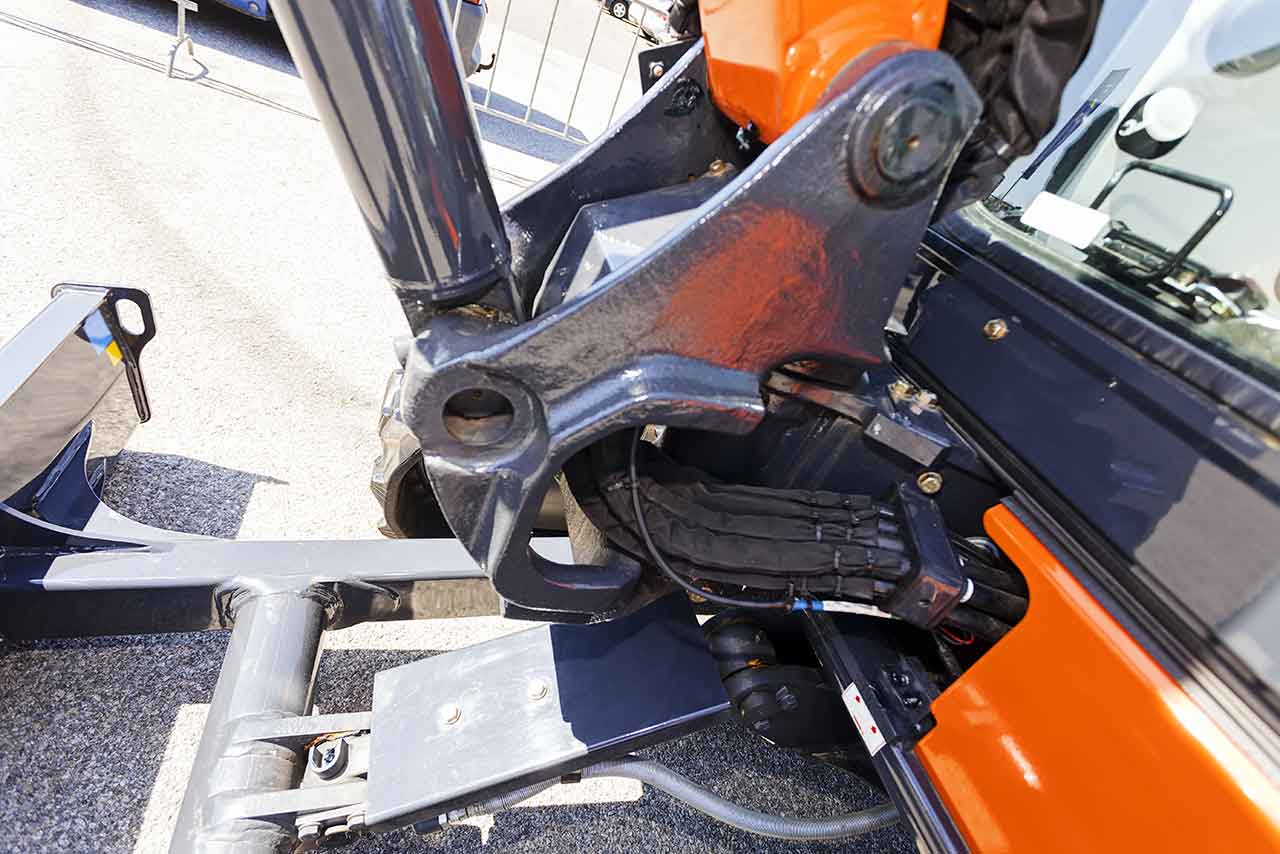
- Pilot-operated controls
- High-pressure hydraulic filtration systems
These components improve operational smoothness and reliability.
Hydraulic Filtration Standards
Professional filtration systems protect the machine from:
- Oil contamination
- Dust intrusion
- Internal component wear
This helps reduce maintenance frequency.
Compact Structure and Zero-Tail-Swing Design
Why Tail Design Matters
Traditional excavators require larger turning space.
A zero-tail-swing mini chinese excavator rotates within track width, making it ideal for:
- Narrow urban roads
- Backyard construction
- Indoor demolition
- Municipal utility projects
Compact Transportation Benefits
Smaller excavators:
- Fit easily on trailers
- Reduce transportation cost
- Improve jobsite accessibility
- Simplify logistics management
Operator Comfort and Safety Systems
Reinforced Operator Cab
Modern cabins now include:
- Tempered safety glass
- Roof skylights
- Air conditioning systems
- Improved visibility design
These features improve operator comfort during long working hours.
Safety Equipment Standards
Many export-grade excavators include:
- Emergency escape hammers
- Fire extinguishers
- Anti-slip platforms
- Safety warning systems
Safety compliance is increasingly important for international markets.
Mini Chinese Excavator Technical Comparison
| Model | Operating Weight | Engine Power | Bucket Capacity | Max Digging Depth |
|---|---|---|---|---|
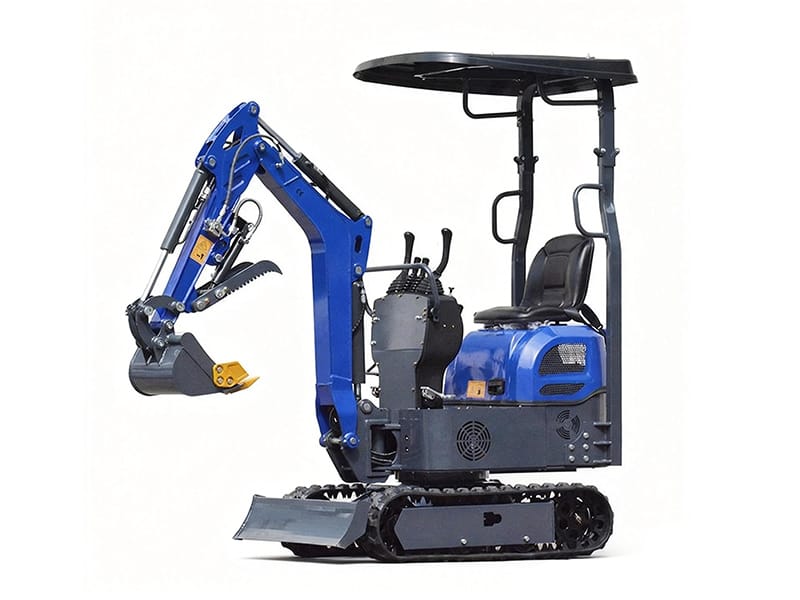
| Mini Excavator 10 | 1200 KG | 12–13.5 HP | 0.024m³ | 1620 mm |
| Mini Excavator 12U | 1200 KG | 12–13.5 HP | 0.024m³ | 1620 mm |
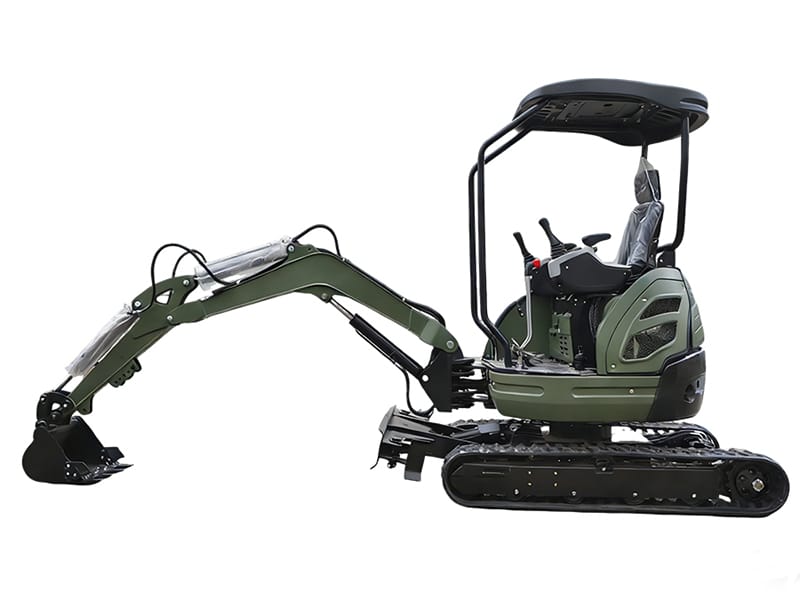
| Mini Excavator 25 | 2780 KG | 25.2–29.5 HP | 0.06m³ | 2200 mm |
Comparing 1.2T and 2.5T Mini Excavators
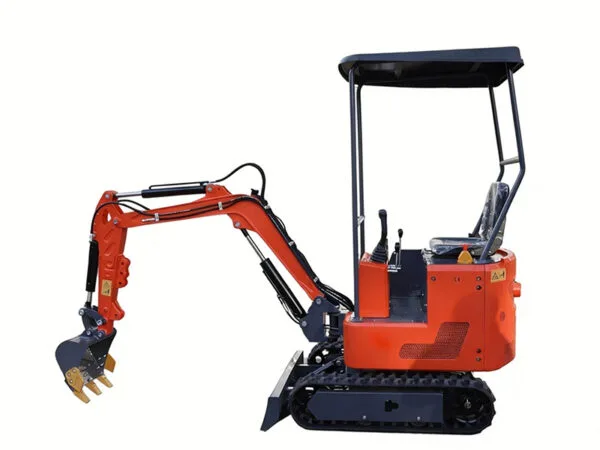
1.2T Compact Excavator
Best Applications
- Landscaping
- Garden projects
- Small trenching
- Farm irrigation work
Advantages
- Lower fuel consumption
- Easy transportation
- Lower operating cost
2.5T Mini Excavator
Best Applications
- Commercial construction
- Municipal engineering
- Utility installation
- Medium-duty excavation
Advantages
- Greater digging depth
- Stronger lifting capacity
- More powerful hydraulics
Common Applications of Mini Chinese Excavator
Urban Construction
Mini excavators are widely used in:
- Sidewalk reconstruction
- Underground cable installation
- Water pipe maintenance
- Small foundation projects
Landscaping Projects
Landscaping companies use compact excavators for:
- Tree transplantation
- Soil grading
- Pond construction
- Decorative stone placement
Agricultural Operations
Farm applications include:
- Irrigation trench digging
- Drainage channel creation
- Fence installation
- Land preparation
Industrial Maintenance Work
Factories use compact excavators for:
- Internal demolition
- Utility repair
- Pipe installation
- Facility renovation projects
Real-World Case Study
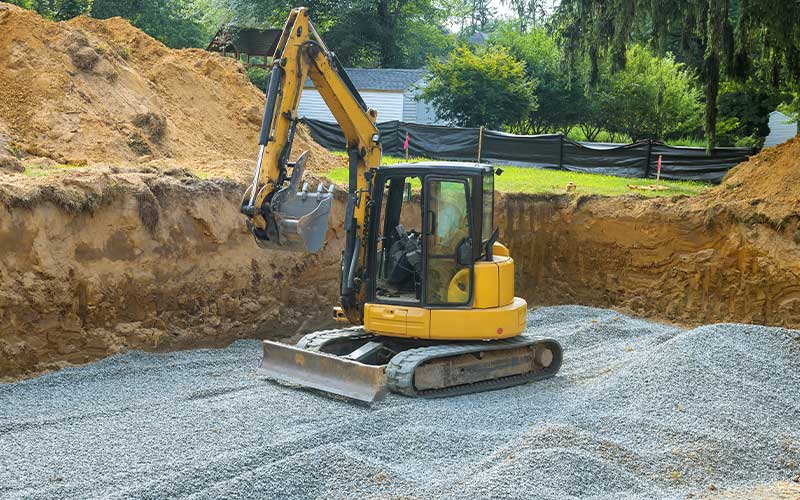
Municipal Utility Project
A municipal contractor used a 2.5T mini excavator for underground cable installation in a dense urban district.
Results:
- Project completion speed increased by 35%
- Labor requirements reduced by 50%
- Fuel consumption reduced compared with larger excavators
- Minimal road closure area required
This demonstrated the efficiency advantage of compact excavation equipment.
Manufacturing Quality Standards
Welding and Structural Reinforcement
Professional manufacturers use:
- Robotic welding systems
- Structural flaw detection
- Reinforced boom welding
These improve machine durability under continuous use.
Surface Treatment Technology
Modern manufacturing includes:
- Shot blasting
- Pickling
- Phosphating
- Multiple coating layers
- Automotive-grade paint baking
These processes improve corrosion resistance and appearance quality.
Cooling and Dust Protection Systems
Advanced Cooling Design
Mini excavators often operate in:
- High-temperature environments
- Dusty construction zones
- Long-duration work cycles
Modern cooling systems maintain stable operating temperatures.
Compressor-Type Air Filtration
Advanced air filtration systems:
- Block external dust
- Improve engine efficiency
- Extend service intervals
This is particularly important in mining and dry environments.
Fuel Consumption and Operating Cost Analysis
Why Fuel Economy Matters
Fuel represents a major percentage of equipment operating cost.
Efficient mini excavators can:
- Reduce fuel expense
- Improve contractor profit margins
- Increase daily productivity
Long-Term Ownership Cost
Compact excavators typically offer:
- Lower maintenance cost
- Lower transportation cost
- Reduced tire/track wear
- Easier storage requirements
How to Choose the Best Mini Chinese Excavator
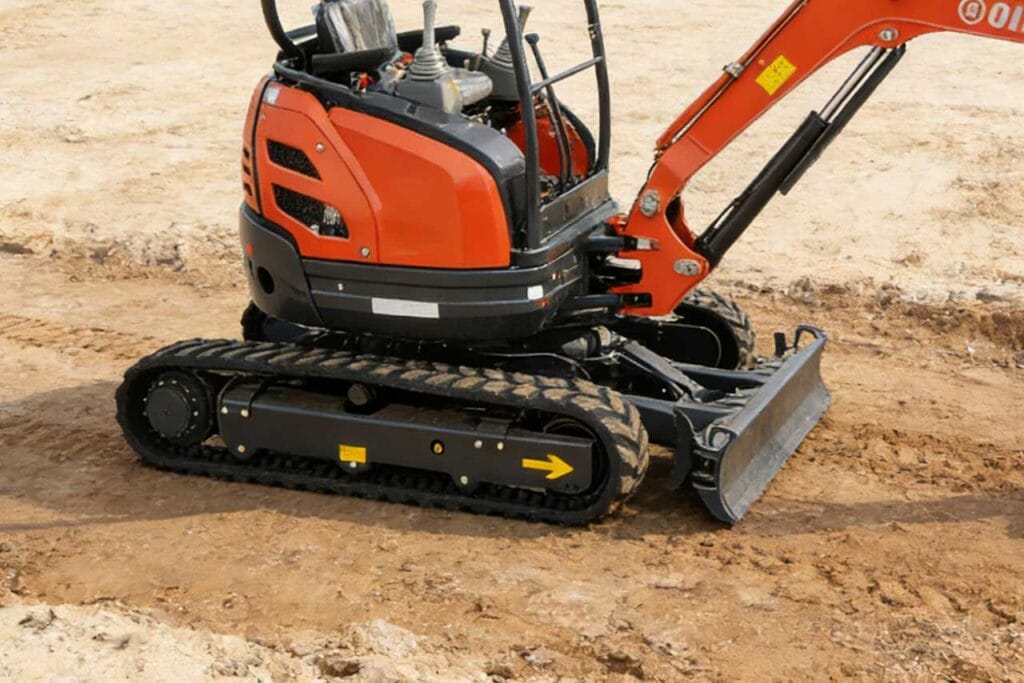
Step 1: Define Project Requirements
Questions buyers should ask:
- What digging depth is required?
- How narrow is the work area?
- What is the daily operating duration?
Step 2: Compare Hydraulic Systems
Imported hydraulic systems usually provide:
- Better precision
- Faster response
- Longer component life
Hydraulic quality is one of the most important purchasing factors.
Step 3: Evaluate Supplier Support
Reliable suppliers should provide:
- Spare parts support
- Export documentation
- Technical guidance
- Shipping coordination
Step 4: Check Compliance Requirements
Different countries may require:
- CE certification
- EPA compliance
- Emission regulations
- Safety standards
Always verify local import regulations before purchasing.
FAQ
Is a mini chinese excavator good for small projects?
Yes. Compact excavators are ideal for landscaping, residential construction, trenching, and urban utility work.
Which engine is most reliable?
Kubota engines are widely recognized for excellent durability, fuel efficiency, and global support availability.
How deep can mini excavators dig?
Typical digging depth:
- 1.2T excavators: around 1620 mm
- 2.5T excavators: around 2200 mm
Are Chinese mini excavators reliable now?
Modern Chinese excavators have improved significantly in manufacturing quality, hydraulics, and durability.
What is the best mini excavator for tight spaces?
Zero-tail-swing excavators are best for narrow and confined work environments.
How long does a mini excavator last?
With proper maintenance, compact excavators can operate for thousands of working hours over many years.
Is a mini excavator suitable for farms?
Yes. Compact excavators are widely used for irrigation, drainage, fencing, and land preparation.
Conclusion
The modern mini chinese excavator has evolved into a highly practical, efficient, and globally competitive construction machine.
Today’s compact excavators combine:
- Reliable engine technology
- Advanced hydraulic systems
- Lower fuel consumption
- Improved operator comfort
- Strong structural durability
For contractors, rental companies, farms, landscaping businesses, and municipal engineering projects, mini excavators provide exceptional flexibility and cost efficiency.
As compact construction demand continues growing worldwide, choosing the best mini chinese excavator is becoming an increasingly valuable investment for businesses seeking productivity, mobility, and long-term operational savings.
Thank you for taking the time to read our guide on excavators. We hope the insights and tips shared here help you make smarter choices for your construction projects.
For more expert advice, updates, and discussions on heavy machinery, follow our Facebook page and stay connected with our community.