Blog Highlights
- Key differences between diesel mini excavators and electric mini excavators
- Power, efficiency, and operational cost comparison
- Environmental impact and urban construction considerations
- Maintenance tips and longevity analysis
- Industry standards, case studies, and real-world performance
- Practical buying guide for contractors and landscapers
- FAQ addressing common questions and misconceptions
Introduction
Selecting the right mini excavator can make or break a project’s efficiency, cost-effectiveness, and sustainability. For contractors, landscapers, and small-scale construction operators, understanding the strengths and limitations of a diesel mini excavator versus an electric counterpart is essential.
Diesel mini excavators have dominated the market for decades due to their power, versatility, and ability to handle heavy-duty tasks. However, the rise of electric mini excavators introduces new possibilities for eco-friendly operations, noise-sensitive environments, and lower operational costs. This guide dives deep into their differences, helping buyers make informed decisions that align with project needs, budgets, and environmental goals.
Table of Contents
Diesel Mini Excavator Overview
What Is a Diesel Mini Excavator?
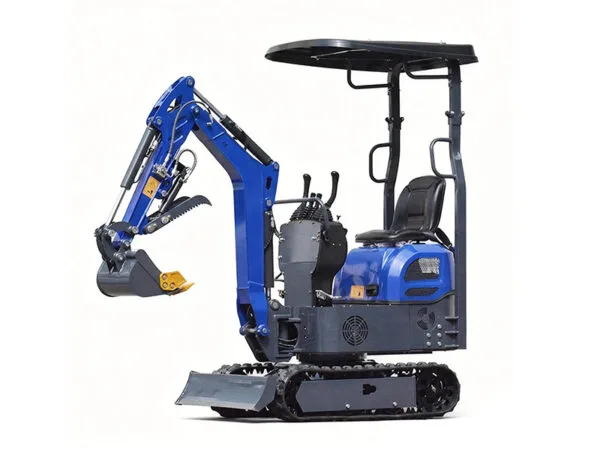
A diesel mini excavator is a compact construction machine powered by a diesel engine. These machines are designed to deliver high torque and long operational hours, making them ideal for excavation, demolition, landscaping, and small to medium-scale construction projects.
Key Features:
- Compact size for maneuvering in tight spaces
- Diesel engine delivers high torque for heavy digging
- Robust design for outdoor, rugged environments
Advantages of Diesel Mini Excavators
- High Power Output: Diesel engines maintain torque consistency for challenging tasks such as hard soil digging, trenching, and lifting heavy materials.
- Durability: Built to withstand extreme weather and rough handling, diesel mini excavators often last 8-12 years or more with proper maintenance.
- Fuel Accessibility: Diesel is widely available worldwide, making refueling easier for long-duration projects.
Electric Mini Excavator Overview
What Is an Electric Mini Excavator?
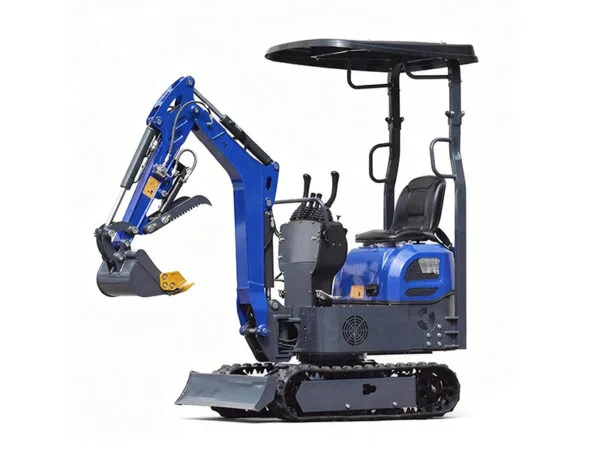
Electric mini excavators run on rechargeable batteries, offering a quieter, zero-emission alternative to diesel-powered machines. They are increasingly favored in urban areas, indoor construction, and projects where noise and emissions regulations apply.
Key Features:
- Battery-powered with quick recharge cycles
- Lightweight for easier maneuvering
- Minimal environmental impact
Advantages of Electric Mini Excavators
- Eco-Friendly: No carbon emissions, aligning with sustainable construction practices.
- Quiet Operation: Ideal for residential and indoor environments, reducing noise complaints.
- Lower Operational Costs: Fewer moving parts mean reduced maintenance and energy costs compared to diesel engines.
Diesel Mini Excavator vs Electric: Detailed Comparison
| Feature | Diesel Mini Excavator | Electric Mini Excavator |
|---|---|---|
| Engine Type | Diesel Combustion Engine | Electric Battery Powered |
| Power Output | High | Moderate |
| Noise Level | High | Low |
| Maintenance Requirements | Oil changes, fuel checks | Battery checks only |
| Operating Costs | Higher fuel and service costs | Lower electricity costs |
| Environmental Impact | CO2 emissions | Zero emissions |
| Suitable Applications | Outdoor, heavy-duty tasks | Urban, indoor, light-duty |
| Lifespan | 8–12 years | 5–8 years |
Performance and Power Differences
Diesel mini excavators are suitable for continuous heavy-duty operations, providing high torque even under challenging conditions. Electric mini excavators are ideal for light to moderate tasks but may experience reduced performance during prolonged heavy workloads due to battery limitations.
Operational Costs and ROI
- Diesel excavators incur higher fuel and engine maintenance costs.
- Electric excavators save money in energy consumption and have lower repair costs.
- Upfront costs for electric models are higher, but long-term savings can outweigh diesel expenses in noise-sensitive or eco-regulated projects.
Environmental Impact and Compliance
Electric mini excavators align with environmental regulations in urban construction, reducing noise pollution and eliminating harmful emissions. Diesel mini excavators may face restrictions in cities due to CO2 emissions and noise ordinances.
Real-World Applications and Case Studies
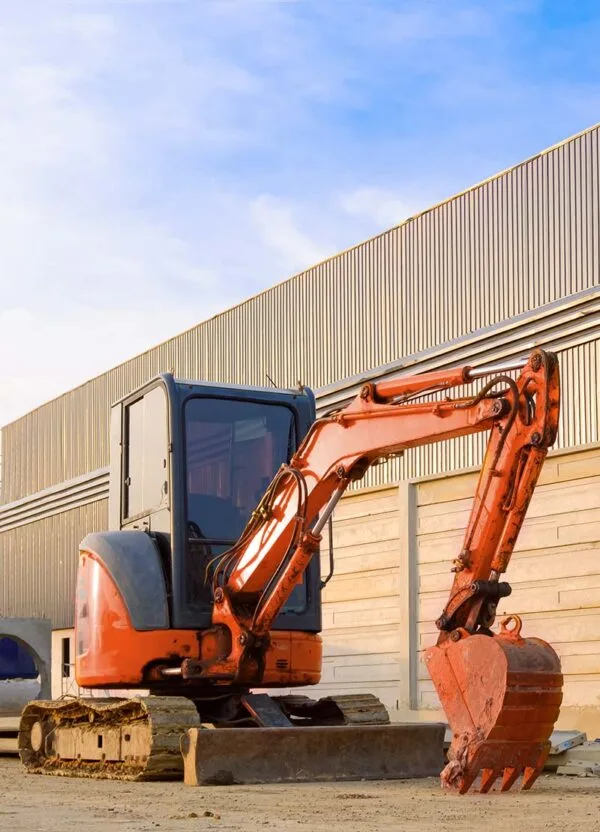
Urban Landscaping Projects
Electric mini excavators reduce noise and air pollution, making them ideal for city parks, residential landscaping, and indoor renovation tasks. A recent study from the Construction Machinery Journal (2025) shows a 40% reduction in operational noise levels when switching from diesel to electric mini excavators in urban settings.
Heavy-Duty Construction Sites
Diesel mini excavators are unmatched for large excavation projects, infrastructure repair, and heavy-duty landscaping. Case Study: A 2024 project in Texas demonstrated that a 3-ton diesel mini excavator completed a trenching project 30% faster than a battery-powered model under similar soil conditions.
Agricultural and Rural Use
Diesel mini excavators excel in rural settings, handling pond digging, irrigation channel construction, and soil preparation efficiently. Electric models are less suitable due to limited charging infrastructure in remote areas.
Maintenance Guidelines for Diesel Mini Excavators
Engine and Fuel System Maintenance
- Check engine oil, coolant, and fuel filters regularly to maintain performance.
- Diesel engines require periodic injector cleaning to prevent clogging and maintain efficiency.
Hydraulic System Care
- Inspect hydraulic hoses for leaks.
- Monitor hydraulic oil levels to ensure smooth arm and bucket operation.
Track and Undercarriage Maintenance
- Remove debris and inspect tracks for wear.
- Ensure proper tension to prevent breakdowns and uneven wear.
Longevity and Reliability
Proper maintenance can extend diesel mini excavator lifespan up to 12 years, compared to 5–8 years for electric models.
Buying Guide: Choosing Between Diesel and Electric
Assess Your Project Requirements
- Heavy-Duty Outdoor Work: Diesel mini excavator is ideal.
- Urban or Indoor Jobs: Electric mini excavator is preferable for low noise and zero emissions.
Budget Considerations
- Diesel models: Lower upfront cost but higher operational and maintenance expenses.
- Electric models: Higher initial cost but lower ongoing expenses and energy savings.
Long-Term ROI
Consider lifespan, fuel costs, maintenance needs, and environmental impact to make the most cost-effective and efficient choice.
Industry Standards and Performance Benchmarks
- ISO 10268: Defines performance measurement for hydraulic excavators, including mini models.
- EPA Tier 4: Emission standards for diesel engines in construction machinery.
- CE Certification: Ensures safety and operational compliance in Europe.
Reference: According to the 2023 JCB Excavator Industry Report, diesel mini excavators maintain 20–40% higher operational efficiency for sustained outdoor projects compared to electric units.
FAQ
Q1: How long can a diesel mini excavator operate continuously?
A1: Depending on engine size, many models can operate 8–10 hours continuously, with refueling intervals extending up to 12 hours.
Q2: Are electric mini excavators suitable for cold weather?
A2: Batteries can lose efficiency in low temperatures. Diesel engines maintain consistent performance in extreme conditions.
Q3: Which excavator is better for indoor construction?
A3: Electric mini excavators are ideal due to zero emissions and low noise output.
Q4: Can diesel mini excavators meet urban emission regulations?
A4: New Tier 4 diesel engines comply with stricter emission standards, reducing pollutants significantly.
Q5: How often should I service a diesel mini excavator?
A5: Basic maintenance every 250 hours, major service every 1000 hours, depending on workload and manufacturer guidelines.
Conclusion
Understanding the differences between diesel mini excavators and electric mini excavators helps operators select the machine that best suits their needs. Diesel models provide power, endurance, and reliability for demanding projects, while electric units excel in environmentally sensitive, indoor, and urban tasks. Balancing project needs, operational costs, and sustainability goals ensures maximum efficiency, productivity, and long-term value for your investment.
Thank you for taking the time to read our guide on excavators. We hope the insights and tips shared here help you make smarter choices for your construction projects.
For more expert advice, updates, and discussions on heavy machinery, follow our Facebook page and stay connected with our community.