Struggling to find an excavator that fits your project needs? Here’s everything you need to know.
Table of Contents
Introduction
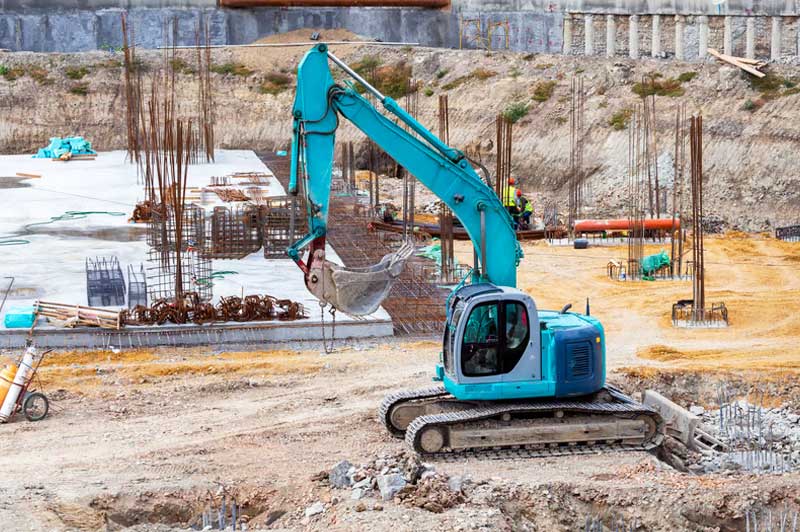
Construction projects are becoming increasingly complex, and contractors are constantly seeking ways to improve efficiency while maintaining safety. Enter mini excavators attachments — the small but mighty tools that transform a standard mini excavator into a highly versatile machine capable of handling the toughest jobs.
Whether it’s breaking concrete, handling debris, digging post holes, or grading slopes, the right attachments can save time, reduce labor costs, and minimize equipment wear. According to the Construction Equipment Manufacturers Association (CEMA), projects using well-equipped mini excavators report up to 30% faster completion times and a 25% reduction in labor costs compared to standard excavators without specialized attachments.
This article explores the best six mini excavators attachments designed for tough jobs, their specific applications, advantages, installation tips, and maintenance practices. By the end, contractors and operators will have a clear understanding of how to maximize productivity, safety, and ROI with their mini excavator fleet.
1. Hydraulic Breakers as Essential Mini Excavators Attachments
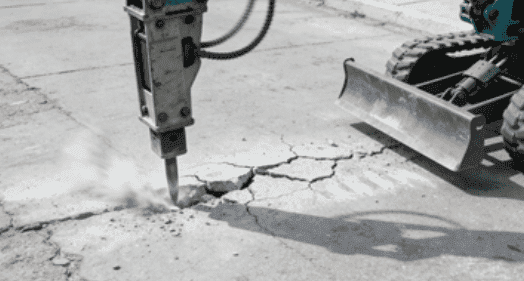
Hydraulic breakers, commonly known as hammers, are a cornerstone attachment for mini excavators when it comes to demolition and heavy-duty construction work. These tools are specifically engineered to break through hard materials like concrete, rocks, and asphalt with remarkable speed and efficiency, drastically reducing the time required for manual labor.
One of the standout features of hydraulic breakers is their adjustable impact energy, which ranges from 300 to 800 joules per blow for compact mini units. This allows operators to tailor the force applied to the material, ensuring optimal performance without causing unnecessary wear on the machine. In addition, many modern hydraulic breakers come equipped with anti-vibration systems, which not only enhance operator comfort but also reduce fatigue during long shifts. For urban construction projects, noise-reduction technologies are increasingly standard, making these attachments suitable for city environments without violating local noise regulations.
In practical applications, hydraulic breakers excel in road repair and resurfacing, where time is of the essence, as well as foundation removal and trenching through rocky or compacted soil. According to John Keller, a senior engineer at the National Demolition Association, “Hydraulic breakers not only improve efficiency but also drastically reduce physical strain, making smaller crews more effective on-site.” This insight highlights the dual benefits of speed and ergonomics, proving why hydraulic breakers are considered essential attachments for challenging jobs.
Overall, hydraulic breakers provide a significant increase in productivity, minimize operator fatigue, and are compatible with a wide range of mini excavator models, making them a reliable investment for contractors facing demanding demolition or excavation tasks.
2. Grapple Buckets as Versatile Mini Excavators Attachments
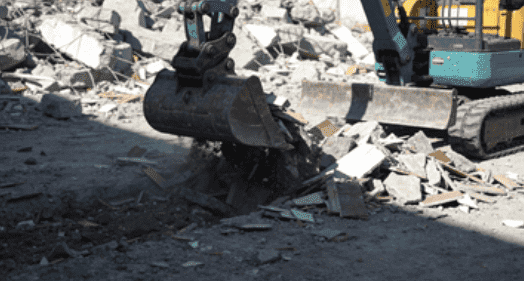
Grapple buckets are specialized attachments designed to enhance the versatility of mini excavators by enabling them to handle bulky and irregular materials efficiently. These attachments are particularly valuable in scenarios where precision and safety are critical, such as sorting construction debris, clearing land, or moving recycled materials.
The design of grapple buckets often includes hydraulic claws that securely grip materials, paired with high-strength steel construction for durability. Some models also feature swivel rotation, allowing operators to position and manipulate loads with precision, which is crucial for maneuvering in tight or uneven spaces.
The applications of grapple buckets are diverse. On a construction site, they can be used for sorting debris, land clearing, and forestry operations, making them indispensable for contractors handling irregular materials. Furthermore, recycling centers find grapple buckets especially useful for sorting scrap metal or demolition waste.
Performance data from multiple field studies indicate that using a grapple bucket can reduce material handling time by approximately 40% compared to standard buckets. The attachment’s design minimizes spillage, enhances safety, and ensures that heavy materials are lifted and moved efficiently, reducing strain on operators.
In essence, grapple buckets provide a combination of safety, precision, and efficiency, making them one of the most versatile mini excavators attachments available for tough jobs.
3. Tilt Buckets for Precision Grading
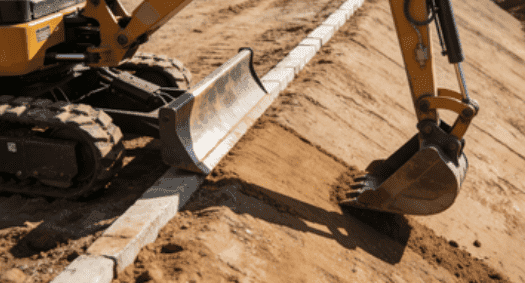
Tilt buckets are engineered to provide unparalleled flexibility in grading and excavation tasks. Unlike standard buckets, tilt buckets allow the operator to tilt and rotate the bucket, enabling precise leveling, shaping, and grading of slopes or uneven terrain.
These attachments are widely used in landscaping projects, irrigation installation, road and pathway maintenance, and foundation or drainage preparation. Their design allows operators to achieve smooth and consistent slopes, which reduces soil compaction and ensures better water flow in landscaping and drainage projects.
The main advantages of tilt buckets include increased grading accuracy, enhanced machine versatility, and reduced operational time. A case study from a construction site in Denver reported that using tilt buckets for a 5,000-square-foot slope grading project was 20% faster compared to manual grading methods, demonstrating how these attachments can significantly improve productivity.
By integrating tilt buckets into daily operations, contractors and operators gain access to a multi-functional attachment that not only simplifies challenging grading tasks but also ensures professional-quality results across various applications.
Table: Performance and Specifications of Popular Mini Excavators Attachments
| Attachment Type | Weight Range | Hydraulic Flow (L/min) | Ideal Applications | Key Advantage |
|---|---|---|---|---|
| Hydraulic Breaker | 120–250 kg | 40–80 | Demolition, rock breaking | High impact force, reduced labor |
| Grapple Bucket | 80–200 kg | 30–70 | Debris handling, forestry | Precise grip, versatile |
| Tilt Bucket | 90–180 kg | 25–60 | Grading, landscaping, drainage | Angle flexibility, high accuracy |
| Auger | 50–150 kg | 35–65 | Post holes, foundations | Quick drilling, reduces manual effort |
| Ripper Attachment | 60–130 kg | 30–55 | Rocky soil, frozen ground | Breaks tough material efficiently |
| Hydraulic Thumb | 35–90 kg | 15–40 | Demolition, material handling | Precision, improved control |
4. Augers for Efficient Drilling
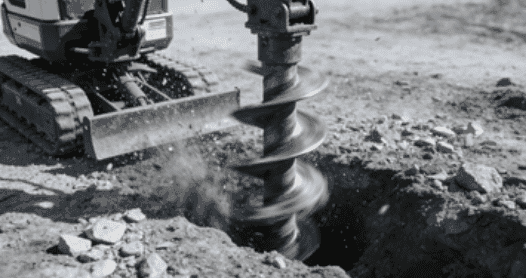
Augers are among the most practical mini excavators attachments for projects that require precise and consistent hole drilling. These attachments excel at creating holes for fence posts, signage installation, tree planting, and small foundation work, especially in dense or rocky soil.
A primary benefit of augers is the drastic reduction in manual labor. Field data shows that augers can reduce traditional digging time by up to 70%, particularly when dealing with compacted or frozen soil conditions. This efficiency not only accelerates project timelines but also minimizes operator fatigue and the risk of injury.
When selecting an auger, operators should ensure the diameter matches the task requirements and that the hydraulic flow of the mini excavator is compatible with the attachment. Monitoring ground conditions is also crucial, as soil type and density can affect drilling speed and precision.
By combining efficiency, precision, and safety, augers stand out as essential attachments for mini excavators tackling repetitive or labor-intensive drilling tasks.
5. Ripper Attachments for Tough Terrain
Ripper attachments are designed for breaking through hard or compacted ground, such as rocky surfaces, frozen soil, and demolition sites where traditional excavation methods may struggle. They feature reinforced teeth capable of penetrating challenging terrain, making them ideal for pre-excavation work.
Common applications for rippers include site preparation on difficult terrain, loosening compacted soil, and removing obstacles before excavation. By using a ripper, operators can protect the main bucket from excessive wear while increasing overall efficiency.
According to the International Society of Excavation Engineers, using a ripper can reduce site preparation time by 15–25%, depending on soil type and hardness. These attachments are particularly valuable in cold climates or regions with high rock content, where standard buckets may be insufficient.
Rippers enhance productivity and extend the lifespan of mini excavator components by reducing mechanical stress during excavation, making them a smart choice for contractors managing challenging work environments.
6. Hydraulic Thumbs for Enhanced Material Handling
Hydraulic thumbs are attachments that work in tandem with standard buckets to grip, lift, and move materials with precision. They are particularly useful for demolition work, material sorting, and handling irregularly shaped objects, such as logs or debris.
The benefits of hydraulic thumbs include improved control, reduced spillage, and enhanced operator efficiency. By enabling precise material handling, they minimize fatigue during repetitive lifting tasks, which is critical for extended job site operations.
Professional guidance suggests ensuring that the hydraulic thumb is compatible with both the bucket size and machine model to prevent undue stress on the hydraulic system. When properly implemented, hydraulic thumbs greatly increase the versatility of mini excavators attachments and contribute to safer, more productive work conditions. compatible with bucket size and machine model to avoid stress on the hydraulic system.
Additional Considerations for Choosing Mini Excavators Attachments
Choosing the right mini excavators attachments involves more than simply matching a tool to the task. A well-informed selection can significantly improve productivity, reduce operating costs, and ensure safety on the job site. Contractors and operators should carefully evaluate several key factors before making a purchase.
Machine Compatibility
One of the most important considerations is machine compatibility. Not every attachment fits every mini excavator. Operators must ensure that hydraulic flow, lifting capacity, and pin sizes are compatible with the specific model of the excavator. For instance, a hydraulic breaker with too high a flow requirement may overload a smaller mini excavator’s hydraulic system, leading to reduced efficiency or equipment damage. Checking the manufacturer’s specifications and confirming compatibility before purchasing is essential to avoid costly mistakes and downtime.
Durability and Build Quality
The durability of attachments directly affects long-term performance and ROI. High-strength steel, reinforced edges, and robust pivot points extend the lifespan of the attachment even under heavy-duty conditions. Investing in quality materials ensures that attachments withstand abrasive, rocky, or frozen soils without bending or wearing prematurely. As an example, reinforced grapple buckets can handle repeated lifting of demolition debris without significant deformation, maintaining operational efficiency for years.
Versatility and Multi-Task Capability
Operators should also consider versatility. Attachments that can perform multiple tasks reduce the need for frequent swaps, saving both time and labor costs. For example, a tilt bucket can be used for grading, trenching, and light excavation, while a hydraulic thumb can double as a material handling and debris sorting tool. Selecting attachments with multi-task capability maximizes the utility of a single mini excavator, providing more value per investment.
Cost-Effectiveness and ROI
While upfront costs are important, operators should weigh them against potential productivity gains and labor savings. A premium attachment might initially cost more but could reduce project timelines and manpower requirements, ultimately paying for itself over the life of the project. Data from a study conducted by Construction Equipment Guide indicated that operators who invested in a full suite of mini excavators attachments reported a 35% increase in job site efficiency within one year. This highlights that strategic investment in high-quality attachments can yield measurable performance improvements and cost savings.
Environmental and Site Considerations
Another often-overlooked factor is the working environment. For example, urban sites may require attachments with low-noise and low-vibration features to comply with local regulations and protect workers. Similarly, attachments designed for harsh conditions, like frozen ground or highly abrasive soil, ensure that the mini excavator can operate effectively without frequent maintenance or part replacement. Assessing site-specific conditions before purchase ensures the attachments perform reliably under all expected scenarios. invested in a full suite of mini excavators attachments reported a 35% increase in job site efficiency over one year.
Maintenance and Safety Tips for Mini Excavators Attachments
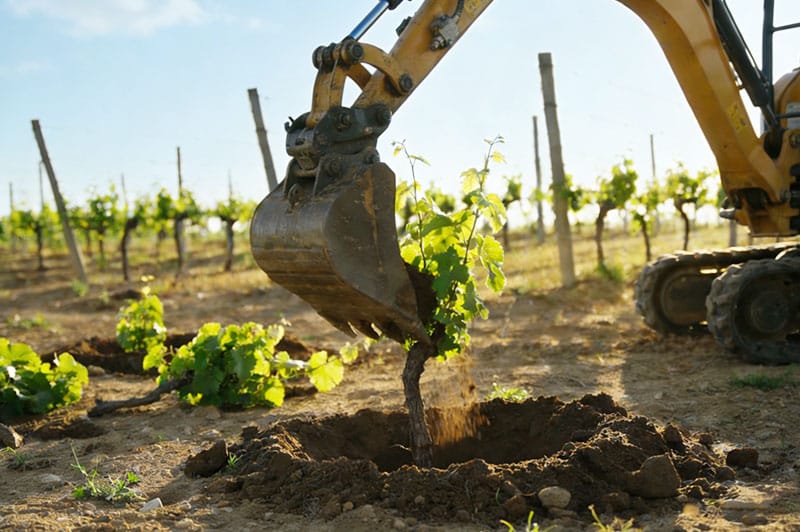
Proper maintenance and adherence to safety protocols are essential for maximizing the life of mini excavators attachments and ensuring safe operation. Neglecting these practices can lead to equipment failure, downtime, or accidents.
Routine Inspection
Operators should conduct daily inspections before using any attachment. This includes checking hydraulic lines for leaks, examining fittings and hoses, and looking for cracks or wear in structural components. Early detection of wear or damage can prevent costly repairs and reduce the risk of accidents on site.
Lubrication and Pivot Care
Many attachments, such as grapple buckets and hydraulic thumbs, contain multiple pivot points. Regular lubrication of these pivot points is critical to maintaining smooth movement and preventing premature wear. A well-lubricated attachment operates efficiently, reduces strain on the hydraulic system, and extends overall lifespan.
Wear Part Replacement
Attachments like hydraulic breakers, ripper teeth, and auger bits are exposed to high stress during use. Promptly replacing worn teeth, edges, or hammer bits ensures consistent performance and prevents damage to the main attachment structure. Routine monitoring of wear parts also helps maintain safety by reducing the risk of breakage during operation.
Proper Mounting and Setup
Before each use, operators should verify the attachment mounting. Secure mounting prevents unexpected detachment during operation, which could cause accidents or damage to both the excavator and surrounding property. Following the manufacturer’s recommended mounting procedure is crucial, especially when switching attachments frequently.
Scheduled Maintenance
Adhering to the manufacturer’s maintenance schedule ensures attachments continue to operate at peak performance. This includes checking hydraulic pressures, replacing worn seals, and performing routine cleaning. Scheduled maintenance reduces unexpected downtime, keeps performance consistent, and extends the life of the attachment.
Safety Protocols and Operator Training
Safety extends beyond equipment care. Operators should always wear appropriate personal protective equipment (PPE), such as gloves, safety boots, helmets, and eye protection. Securing the work area and ensuring that all personnel maintain a safe distance during operation is critical. Additionally, proper operator training for each attachment type is essential. Even the most advanced attachments can pose risks if handled incorrectly, so investing in operator education is as important as investing in the equipment itself.
Emergency Preparedness
Having emergency protocols in place is another important consideration. Operators should know how to safely disengage attachments in case of hydraulic failure or unexpected obstruction. Quick-response procedures prevent minor issues from escalating into costly accidents or damage.
Conclusion
Mini excavators attachments dramatically expand the functionality of compact machines, making them indispensable for tough jobs. From hydraulic breakers and grapple buckets to tilt buckets, augers, rippers, and hydraulic thumbs, each attachment serves a specific purpose that enhances productivity, precision, and safety.
Investing in high-quality attachments and maintaining them properly ensures longer lifespan, reduces labor costs, and improves overall project outcomes. Contractors who leverage the right mini excavators attachments can confidently tackle even the most challenging construction environments.
FAQ
1. What are mini excavators attachments used for?
Mini excavators attachments are used to expand the capabilities of mini excavators for tasks like digging, grading, demolition, material handling, and site preparation.
2. How do I choose the right attachment?
Consider task requirements, hydraulic compatibility, machine weight limits, and versatility. Consulting manufacturer specifications is recommended.
3. Can all mini excavators use the same attachments?
No. Attachments must match hydraulic flow, lifting capacity, and mounting specifications of each mini excavator model.
4. How often should attachments be inspected?
Daily inspections are recommended before use. Check for wear, damage, loose connections, and hydraulic leaks.
5. Are attachments cost-effective for small contractors?
Yes. The right attachments increase productivity, reduce labor costs, and minimize downtime, offering high ROI even for small operators.
Thank you for taking the time to read our guide on excavators. We hope the insights and tips shared here help you make smarter choices for your construction projects.
For more expert advice, updates, and discussions on heavy machinery, follow our Facebook page and stay connected with our community.