In large-scale infrastructure projects, efficiency is often determined by how far and how precisely heavy equipment can operate without repositioning. This is where long reach excavators become indispensable. Designed with extended boom and arm systems, these machines are engineered to access areas that standard excavators simply cannot reach safely or effectively.
From river dredging and harbor maintenance to high-rise demolition and slope stabilization, long reach excavators have become a critical asset in modern civil engineering. Their ability to maintain controlled digging and lifting operations at extended distances makes them a preferred choice for contractors working in complex terrain or hazardous environments.
In recent years, global demand for long reach excavators has grown significantly due to increasing investment in environmental restoration projects, urban redevelopment, and waterway infrastructure upgrades. Industry reports from construction equipment market analyses indicate that demand for specialized excavators, including long reach configurations, is projected to grow at a steady rate of over 4% annually through 2030, driven largely by Asia-Pacific and Middle Eastern infrastructure expansion.
- Understand what long reach excavators are and how they work
- Learn key structural components of extended boom systems
- Compare long reach excavators with standard excavators
- Explore real-world applications such as dredging and demolition
- Discover technical factors like reach, stability, and hydraulics
- Review international standards and engineering benchmarks
- Examine real project case studies and industry data
- Use comparison tables for better purchasing decisions
- Get answers to common buyer questions in the FAQ section
Table of Contents
What Are Long Reach Excavators?
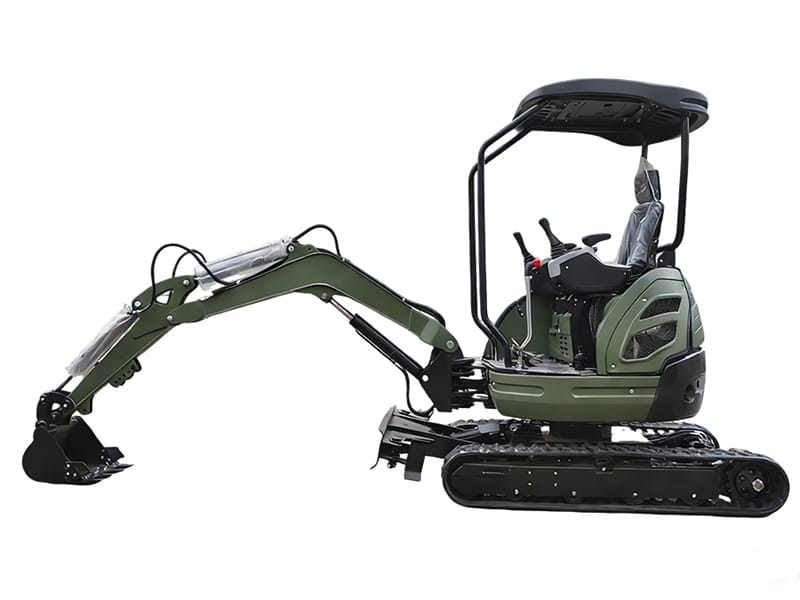
Long reach excavators are specialized variants of hydraulic excavators designed with significantly extended boom and arm assemblies. Unlike standard excavators that prioritize compact power and versatility, long reach excavators prioritize working radius and precision over distance.
These machines are typically based on standard excavator platforms ranging from 20 tons to 80+ tons and modified with extended booms that can dramatically increase horizontal and vertical reach. In some configurations, the working radius can exceed 20 meters depending on machine class and boom design.
They are commonly used in:
- River and canal dredging
- Harbor sediment removal
- High-rise demolition
- Slope finishing and embankment shaping
- Industrial cleaning of large containment areas
Engineering Principles Behind Long Reach Excavators
Lever Arm Mechanics Concept
The fundamental principle behind long reach excavators is leverage extension. By increasing the boom length, the machine increases its working radius but simultaneously reduces force at the bucket end due to torque distribution.
This is a classic mechanical trade-off between reach and lifting capacity, governed by basic physics principles of moment force:
Longer distance = higher torque load on the base structure.
Hydraulic Compensation System
To maintain operational stability, hydraulic systems are upgraded with:
- High-pressure reinforced cylinders
- Flow-regulated valves
- Load-sensing technology
Modern systems often operate in the range of 30–35 MPa hydraulic pressure, depending on machine class and manufacturer design.
Counterbalance Engineering
Counterweights are critical in balancing extended arm loads. Heavy-duty long reach excavators can include counterweights exceeding several tons, strategically positioned to prevent forward tipping during maximum extension.
Structural Composition of Long Reach Excavators
Boom and Arm System
The boom is typically constructed using high-tensile steel plates with reinforced internal ribbing. This ensures resistance against bending stress and fatigue failure under repeated load cycles.
Some industrial-grade booms undergo finite element analysis (FEA) simulation during design to optimize stress distribution.
Bucket and Attachment Systems
Buckets used in long reach excavators are often lighter but wider, designed for dredging and material collection rather than deep penetration digging.
Common bucket types include:
- Dredging buckets
- Skeleton buckets
- Tilting buckets
Undercarriage Reinforcement
Due to increased leverage stress, the undercarriage is often widened or reinforced to improve ground stability. Track systems may also be extended for better load distribution.
Long Reach Excavators vs Standard Excavators
Functional Design Philosophy
Standard excavators prioritize versatility and compact power, making them suitable for urban construction and general earthmoving tasks.
Long reach excavators prioritize reach and precision, making them ideal for specialized engineering environments.
Operational Trade-offs
Long reach excavators sacrifice digging force at maximum extension in exchange for extended operational radius.
Standard excavators maintain balanced force distribution but cannot achieve extended reach operations.
Site Accessibility
Standard excavators are suitable for confined job sites, while long reach excavators require open working environments due to their extended arm swing radius.
Applications of Long Reach Excavators
River Dredging and Waterway Maintenance
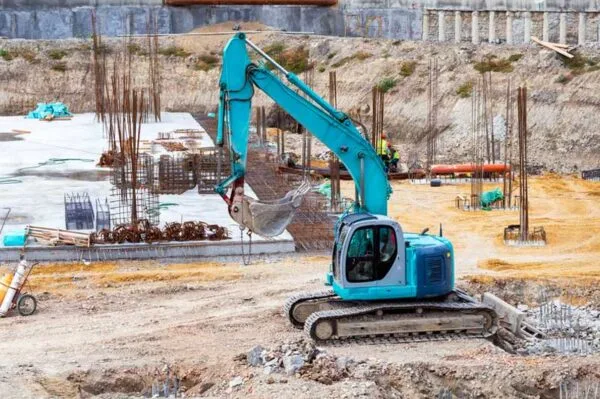
One of the most important applications is dredging. Long reach excavators are used to remove sediment buildup in rivers, canals, and reservoirs without disturbing embankments.
Government infrastructure reports show that dredging efficiency improves by up to 30% when using long reach systems compared to standard excavators.
High-Rise and Controlled Demolition
In demolition engineering, long reach excavators allow operators to dismantle tall structures from a safe distance.
This reduces risk exposure and improves precision in controlled collapse scenarios.
Coastal and Port Engineering
Ports and harbors use long reach excavators for sediment management and berth maintenance. These operations require extended reach into water without direct machine entry.
Environmental Restoration Projects
They are also widely used in wetland restoration and ecological rehabilitation projects where minimal ground disturbance is required.
Technical Performance Metrics
Working Radius
Working radius varies depending on machine configuration:
- Medium class (20–30 tons): 12–18 meters
- Heavy class (30–50 tons): 18–22 meters
- Ultra heavy class (50+ tons): up to 25+ meters
Lifting Capacity Reduction Curve
As reach increases, lifting capacity decreases exponentially due to torque effects. This is a key engineering limitation that operators must consider.
Hydraulic Efficiency Ratio
Modern systems aim for high hydraulic efficiency to minimize energy loss during extended arm operation.
Industry Standards and Engineering Compliance
ISO 6015 Standard
Defines performance and testing requirements for hydraulic excavators, including structural durability and safety thresholds.
EN 474-1 European Machinery Directive
Regulates safety requirements for earth-moving machinery used in construction environments.
ISO 9248 Operational Performance Standard
Defines measurement methods for machine productivity and operational efficiency.
Structural Load Testing Requirements
Many manufacturers perform:
- Static load testing
- Dynamic fatigue testing
- Cyclic stress simulation exceeding 10,000 operation cycles
Real-World Case Studies
Case Study 1: River Restoration Project (Europe)
A major river cleanup project in Northern Europe utilized long reach excavators with 20-meter booms to remove over 500,000 cubic meters of sediment.
Results showed:
- 28% reduction in project time
- 15% lower fuel consumption compared to floating dredgers
Case Study 2: Urban Demolition Project (Asia)
A high-rise building demolition project used long reach excavators to dismantle a 25-story structure.
Key advantages:
- Reduced dust dispersion
- Improved operator safety distance
- Controlled structural collapse
Case Study 3: Coastal Maintenance Project (Middle East)
Harbor maintenance operations used long reach excavators for underwater sediment removal, reducing the need for marine dredging vessels.
Comparison Table: Long Reach Excavators vs Standard Excavators
| Feature | Long Reach Excavators | Standard Excavators |
|---|---|---|
| Working Radius | Very High (up to 25m+) | Moderate (6–10m) |
| Digging Force | Reduced at full reach | Balanced |
| Stability System | Reinforced counterweight | Standard |
| Best Applications | Dredging, demolition | General construction |
| Mobility | Lower | Higher |
| Cost | Higher investment | Lower entry cost |
| Fuel Efficiency | Moderate | Higher efficiency |
Advantages of Long Reach Excavators
Increased Operational Range
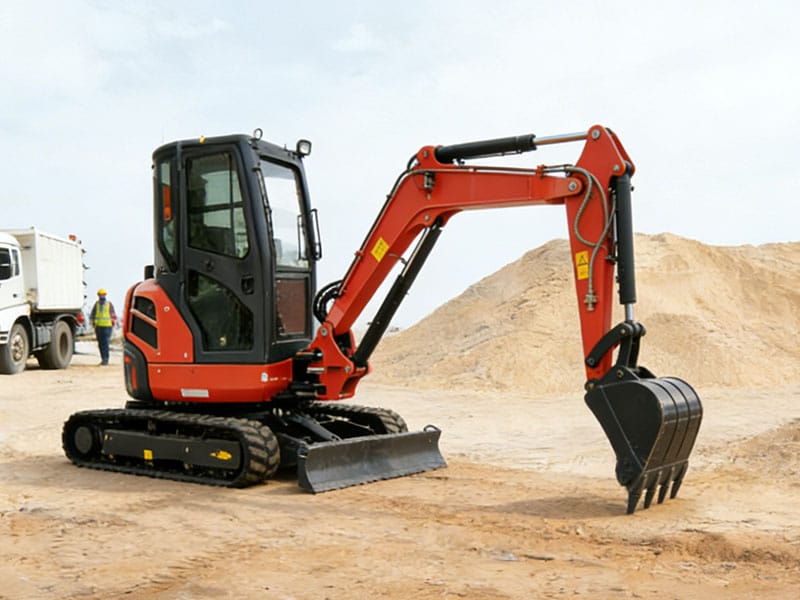
Operators can perform tasks without frequent repositioning, improving workflow efficiency.
Enhanced Safety Distance
Workers remain at safer distances from unstable structures or water zones.
High Precision Control
Despite extended reach, hydraulic systems allow fine control for delicate operations.
Limitations of Long Reach Excavators
Reduced Bucket Force at Maximum Extension
Force decreases significantly as reach increases.
Transportation Complexity
Extended boom systems require disassembly for transport.
Higher Maintenance Requirements
Structural stress leads to more frequent inspection needs.
Maintenance and Engineering Care
Hydraulic System Monitoring
Regular pressure checks ensure system stability and prevent leakage failures.
Structural Fatigue Inspection
Boom joints must be inspected for micro-cracks and stress fatigue.
Lubrication Scheduling
Critical joints require consistent lubrication cycles to reduce wear.
Counterweight Integrity Check
Loose counterweights can cause severe operational hazards.
Market Trends and Industry Outlook
The global long reach excavator market is evolving rapidly due to infrastructure modernization.
Key trends include:
- Increased adoption of fuel-efficient hydraulic systems
- Integration of digital monitoring sensors
- Growth in rental equipment markets
- Expansion of environmental engineering applications
According to industry white papers, demand is strongly driven by:
- Coastal protection projects
- Urban redevelopment programs
- River ecosystem restoration initiatives
Procurement and Selection Guidelines
Match Boom Length to Project Type
Longer booms are not always better; balance reach with lifting capacity.
Evaluate Hydraulic System Rating
Ensure system supports required pressure levels for extended operations.
Consider Transport Logistics
Some configurations require modular disassembly for shipping.
Verify Manufacturer Engineering Standards
Check compliance with ISO and EN certifications before procurement.
FAQ
What are long reach excavators mainly used for?
They are used for dredging, demolition, slope shaping, and other long-distance excavation tasks.
How far can long reach excavators extend?
Depending on configuration, they can extend over 20 meters in industrial-grade models.
Are long reach excavators safe to operate?
Yes, when equipped with proper counterweights and operated within load limits.
What is the main disadvantage of long reach excavators?
Reduced lifting force at maximum extension is the primary limitation.
Can long reach excavators replace dredging machines?
In some cases yes, especially for shallow or nearshore dredging projects.
Do long reach excavators require special training?
Yes, operators typically require additional training due to stability and leverage dynamics.
Conclusion
Long reach excavators represent a highly specialized category of heavy machinery designed for extended-distance excavation, precision demolition, and large-scale environmental engineering projects. Their unique structural design allows operators to work efficiently in challenging environments where standard excavators cannot operate effectively.
By understanding engineering principles, structural limitations, and real-world applications, contractors and procurement teams can make informed decisions and maximize project efficiency while maintaining safety and compliance standards.
Thank you for taking the time to read our guide on excavators. We hope the insights and tips shared here help you make smarter choices for your construction projects.
For more expert advice, updates, and discussions on heavy machinery, follow our Facebook page and stay connected with our community.