Introduction
In today’s competitive construction industry, efficiency, extended reach, and machine versatility are essential for completing projects on time and under budget. Contractors, project managers, and equipment buyers frequently encounter situations where standard excavators cannot meet the demands of deep excavation, demolition, dredging, or heavy material handling. This is where long reach excavators for sale become indispensable. With advanced hydraulic systems, reinforced booms, and versatile attachments, these machines allow operators to tackle specialized tasks with precision and safety.
In this article, you will learn:
- Key features to consider when buying long reach excavators
- Differences between standard and long reach excavators
- Market trends, pricing, and financing options
- Real-world case studies and brand comparisons
- FAQs addressing common buyer questions
Table of Contents
Understanding Long Reach Excavators for Sale
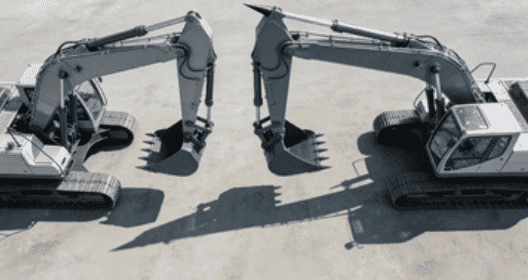
Long reach excavators are designed to extend operational capabilities beyond those of standard excavators. With boom lengths often exceeding 10 meters, these machines are ideal for areas that are otherwise inaccessible, such as rivers, urban demolition sites, and large-scale civil engineering projects.
What Defines a Long Reach Excavator?
Extended Boom and Arm:
The defining feature is the long boom and arm, which can reach up to 15 meters or more in professional models. Machines such as the Hitachi ZX490LCH-6 or Komatsu PC490LC-11 exemplify high-end long reach designs, capable of reaching deep trenches or tall demolition targets without repositioning.
Enhanced Stability:
Long reach excavators incorporate reinforced undercarriages, additional counterweights, and advanced stabilization technology. According to ISO 15155 safety standards, all long reach models must undergo rigorous testing for stability during full boom extension operations.
Hydraulic System Efficiency:
High-performance hydraulic systems are a cornerstone of long reach excavators. Flow rates exceeding 450 L/min ensure precise, smooth operations when using attachments such as breakers, grapples, or dredging buckets. Modern systems also feature pressure-compensated flow, providing consistent power under load.
Typical Applications of Long Reach Excavators
- Demolition: Safely reaching upper stories or structures while keeping the machine at a safe distance.
- Dredging: Efficiently clearing rivers, canals, or ponds with specialized attachments.
- Deep Excavation: Mining, civil, or utility projects requiring precise deep material removal.
- Material Handling: Moving heavy materials or debris in areas inaccessible to conventional equipment.
Key Features to Know When Buying Long Reach Excavators for Sale


When considering long reach excavators for sale, understanding the core features is crucial to ensure that the machine meets your project requirements, operational efficiency, and safety standards. These machines are more complex than standard excavators, so buyers must evaluate engine performance, hydraulics, cab ergonomics, and attachment compatibility carefully.
Engine Performance and Fuel Efficiency
The engine is the heart of a long reach excavator. Modern models are equipped with Tier 4 Final or Stage V compliant engines, delivering between 200–500 kW of power depending on machine size and configuration. These engines are designed not only for raw power but also for fuel efficiency and environmental compliance, reducing greenhouse gas emissions.
- Fuel Efficiency: Advanced electronic fuel injection systems optimize combustion, reducing consumption by 12–15% compared to older generations. For instance, the Komatsu PC490LC-11 features a high-efficiency engine that can reduce fuel costs by thousands of dollars per year on long-term projects.
- Power Management: Many long reach excavators offer auto-idle and eco-mode functions, adjusting engine output based on load requirements to further conserve fuel without sacrificing performance.
- Durability: Heavy-duty engines are designed for continuous operation under high stress, making them suitable for demolition, dredging, and extended earthmoving tasks.
Practical Tip: Always check engine service intervals and availability of spare parts in your region, as these can affect long-term operational cost.
Hydraulic System Capabilities
Hydraulics are what allow a long reach excavator to operate smoothly and handle various attachments at extended distances.
- High-Flow Hydraulics: These provide precise control over boom, arm, and attachment movements, even when the excavator is fully extended. Flow rates often exceed 450 liters per minute, depending on the model.
- Auxiliary Circuits: Additional hydraulic circuits enable the use of multiple attachments simultaneously, such as a grapple and breaker or dredging attachment. This versatility increases operational flexibility on complex projects.
- Load-Sensing Technology: Modern load-sensing hydraulics automatically adjust pressure and flow depending on the operational load, ensuring consistent performance, energy efficiency, and reduced wear on components.
- Hydraulic Oil Cooling Systems: These maintain optimal temperature during high-intensity operations, protecting the system from overheating and extending component life.
Use Case Example: A long reach excavator performing river dredging in Spain used a high-flow hydraulic system to operate a specialized dredging bucket, maintaining full power for hours without overheating.
Cab Comfort and Operator Control
Operator comfort directly affects productivity and safety. Long reach excavators often require precision control at extended distances, so ergonomics and visibility are essential.
- Ergonomic Seating: Adjustable seats with lumbar support reduce fatigue during long shifts, particularly in large-scale demolition or deep excavation projects.
- Intuitive Joystick Controls: Precision joysticks with proportional control allow smooth operation of boom, arm, and attachments. Some models include multi-function controls for switching between attachments without leaving the cab.
- Touch-Screen Monitoring Systems: Modern cabs are equipped with real-time diagnostic displays, showing hydraulic pressures, engine performance, and attachment status. This helps operators prevent downtime.
- Climate-Controlled Cabins: Temperature regulation ensures operator comfort in extreme heat or cold, which is especially important in outdoor dredging or construction sites.
- Camera and Sensor Packages: High-end models feature 360° cameras, proximity sensors, and obstacle detection, which improve safety in urban construction zones or congested sites.
Practical Tip: If your project involves extended hours or complex maneuvering, prioritize machines with advanced cab ergonomics and visibility systems to reduce operator errors.
Attachments and Versatility
One of the main advantages of long reach excavators is their ability to handle multiple attachments, transforming a single machine into a multi-functional tool.
Common attachments include:
- Buckets: General purpose, trenching, heavy-duty, or custom-designed for specific soil or material types.
- Hydraulic Breakers: For concrete, rock, or reinforced structures.
- Grapples: Ideal for scrap metal, timber, or debris handling.
- Augers: Drilling for piling, utility installations, or geotechnical work.
- Clamshell Buckets: For dredging or material scooping in water projects.
Tip: Always verify attachment specifications against the excavator’s hydraulic flow, pressure rating, and pin size to ensure proper operation. Using incompatible attachments can reduce performance and risk damaging the hydraulic system.
Comparing Standard Excavators vs Long Reach Excavators
| Feature | Standard Excavator | Long Reach Excavator |
|---|---|---|
| Boom Length | 6–8 meters | 10–15+ meters |
| Maximum Reach | Moderate | Extended reach for inaccessible areas |
| Applications | General digging, lifting | Demolition, dredging, deep excavation |
| Stability | Standard counterweight | Reinforced undercarriage + counterweight |
| Engine Power | 100–300 kW | 200–500 kW |
| Price Range | $80,000–$250,000 | $250,000–$600,000+ |
| Transport Needs | Standard transport | May require special permits or trailers |
Observation:
Long reach excavators excel in projects with specialized reach and depth requirements, whereas standard models are sufficient for general earthmoving or lifting tasks.
Global Market Trends and Insights
- Market Growth: ResearchAndMarkets.com (2025) projects the global long reach excavator market to grow 7.2% annually through 2030.
- Regional Demand: Europe shows the highest adoption rate, particularly Spain, Germany, and Italy, where over 35% of excavator sales are long reach models for urban demolition and dredging.
- Technology Trends: Telemetry, GPS, and automated boom control are becoming standard, enhancing safety and efficiency.
- Investment Insights: Used long reach excavators with verified maintenance can save 30–40%, but new models offer the latest tech and warranty coverage.
Choosing the Right Long Reach Excavator for Sale
Assess Project Scope
Consider required digging depth, boom extension, and lifting needs. Projects involving waterways or urban demolition benefit most from machines with maximum boom reach and reinforced arms.
Evaluate Site Conditions
Terrain, obstacles, and space constraints dictate machine size and stability features. Long reach excavators designed for urban or uneven terrain include track reinforcement, anti-sway systems, and compact transport options.
Budget and Total Cost of Ownership
Consider purchase price plus:
- Fuel consumption and efficiency
- Maintenance schedules and hydraulic servicing
- Attachment costs
- Depreciation and resale value
Brand and Dealer Support
Top brands like Caterpillar, Hitachi, Komatsu, and Volvo offer:
- Local dealer service
- Warranty coverage
- Parts availability
- Specialized training for operators
Advantages of Long Reach Excavators
Increased Productivity
Extended reach allows completion of tasks without frequent repositioning, reducing labor and operational time.
Safer Operations
Work at safe distances from hazards, such as unstable structures or deep water, minimizing risk to personnel.
Multi-Functional Capabilities
Multiple attachments allow one machine to replace several pieces of equipment, improving efficiency and reducing cost.
ROI and Cost Efficiency
Although upfront costs are higher, long reach excavators provide faster completion times, reduced labor costs, and longer operational life, resulting in higher ROI.
Real-World Case Studies
Case Study 1: Urban River Dredging, Hamburg, Germany (2024)
- Machine: Komatsu PC490LC-11 Long Reach Excavator
- Outcome: 20% faster dredging, fuel savings of €15,000, reduced need for additional equipment.
Case Study 2: Demolition of Industrial Complex, Madrid, Spain (2023)
- Machine: Hitachi ZX490LCH-6
- Outcome: Completed demolition safely from distance; no incidents reported, project completed 10% under budget.
Conclusion
Long reach excavators for sale are critical investments for construction companies tackling deep excavation, demolition, dredging, or multi-functional material handling. Understanding engine performance, hydraulic systems, cab comfort, attachments, and total cost of ownership ensures buyers select the right machine.
With proper selection, operator training, and maintenance, these machines provide unmatched reach, versatility, and productivity, enabling faster project completion, safer operations, and higher ROI.
FAQ
Q1: What is the expected lifespan of a long reach excavator?
A1: 10–15 years with proper maintenance; hydraulic systems should be inspected regularly.
Q2: Can they operate in urban areas?
A2: Yes, but consider maneuverability, boom length, and noise compliance.
Q3: Should I buy new or used?
A3: New models provide latest tech and warranty; used models can save 30–40% if maintenance records are verified.
Q4: Are financing options available?
A4: Yes, leasing, installment plans, and rentals are widely offered by dealers.
Q5: How do I decide between standard and long reach excavators?
A5: Evaluate reach, depth, terrain, and type of project. Long reach is essential for inaccessible or deep areas; standard models suffice for general excavation.
Q6: What safety standards should I check?
A6: ISO 15155 and local construction safety standards. Ensure the machine has been tested for stability at full boom extension.
Thank you for taking the time to read our guide on excavators. We hope the insights and tips shared here help you make smarter choices for your construction projects.
For more expert advice, updates, and discussions on heavy machinery, follow our Facebook page and stay connected with our community.