Key Takeaways: What You Will Learn in This Blog
- Understanding what makes the best chinese mini excavators stand out
- Key features to evaluate: engine performance, hydraulics, design, and safety
- Comparison of popular models from 1T to 3.5T
- Practical applications in urban construction, landscaping, agriculture, and industrial projects
- Cost and maintenance analysis for smart purchasing decisions
- Differences between Chinese and global brand mini excavators
- Tips for choosing the right size and attachments for your project
- Real-world case studies, industry standards, and technical insights
- Frequently asked questions from buyers and operators
Table of Contents
Introduction
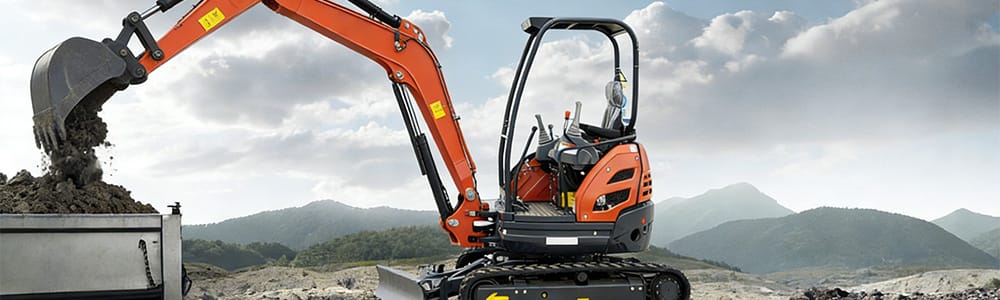
In the past decade, best chinese mini excavators have transformed from affordable alternatives to highly competitive machines in global construction markets. Modern Chinese mini excavators now rival international brands in terms of engine performance, hydraulic systems, build quality, and operator comfort.
The combination of cost-efficiency, compact design, and advanced technology makes these machines ideal for small contractors, municipal projects, landscaping, and even industrial operations. With stricter manufacturing standards and adoption of internationally recognized engines like Kubota, KOOP, and Briggs & Stratton, these mini excavators are now a reliable choice for professionals worldwide.
Recent market data from Construction Equipment Reports 2025 shows that Chinese mini excavators accounted for 38% of global sales in the sub-5T segment, indicating their growing acceptance in professional markets.
What Defines the Best Chinese Mini Excavators?
Engine Performance and Fuel Efficiency
The engine is the heart of any mini excavator. Top Chinese models often feature engines compliant with Euro V emission standards, offering reliable 10–35 HP power across the 1–3.5T range.
Benefits of modern engines:
- Reduced fuel consumption by up to 15% compared to older models
- Lower maintenance frequency due to upgraded fuel systems
- Capability to operate continuously in high-temperature environments
Hydraulic Systems and Precision Control
A high-performance hydraulic system ensures smooth and precise movements, crucial for tight urban projects. Features include:
- Load-sensing pumps for automatic adjustment of hydraulic flow
- Pilot-operated controls for reduced operator fatigue
- High-performance filtration to prevent wear in harsh conditions
Compact and Tail-Swing Designs
Zero or short-tail swing designs are a signature of modern mini excavators. This allows:
- Seamless operation in confined spaces
- Easier maneuvering in urban streets or indoor projects
- Improved safety by eliminating potential collisions
Build Quality and Durability
High-quality welding, anti-corrosion painting, and reinforced frames ensure:
- Long-term reliability in demanding projects
- Resistance to dust, moisture, and industrial wear
- Compliance with international standards such as ISO 9001 and CE certification
Top Chinese Mini Excavators Overview
Mini Excavator 25 (2.7–2.8 Ton Class)
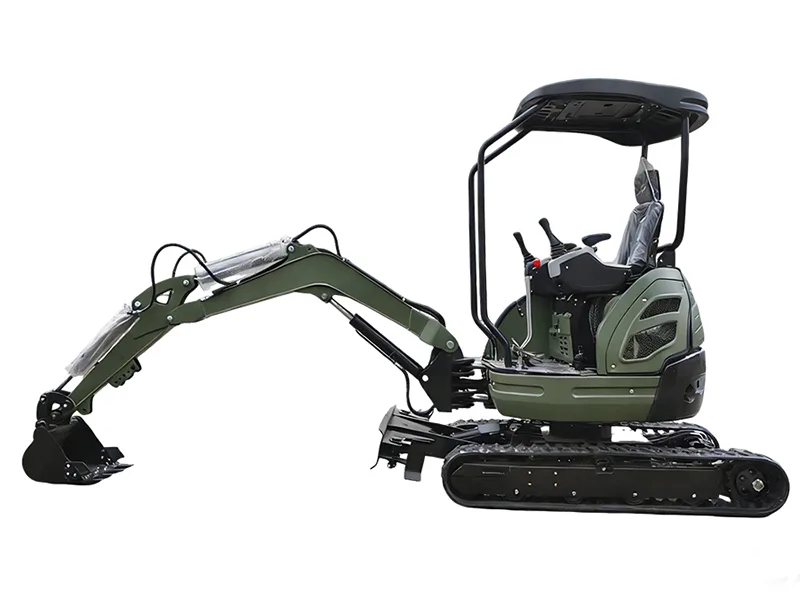
Key Features:
- Engine: Kubota D902 / D1105, 25.2–29.5 HP
- Hydraulic System: Imported Nachi, boom sway, pilot control
- Digging Depth: 2200 mm
- Weight: 2780 KG
Use Cases: Medium-duty construction, landscaping, municipal works
Professional Insight: According to a 2024 whitepaper by Global Construction Machinery, machines in this class are ideal for urban projects requiring both lifting and digging tasks.
Mini Excavator 16 (1.7–1.8 Ton Class)
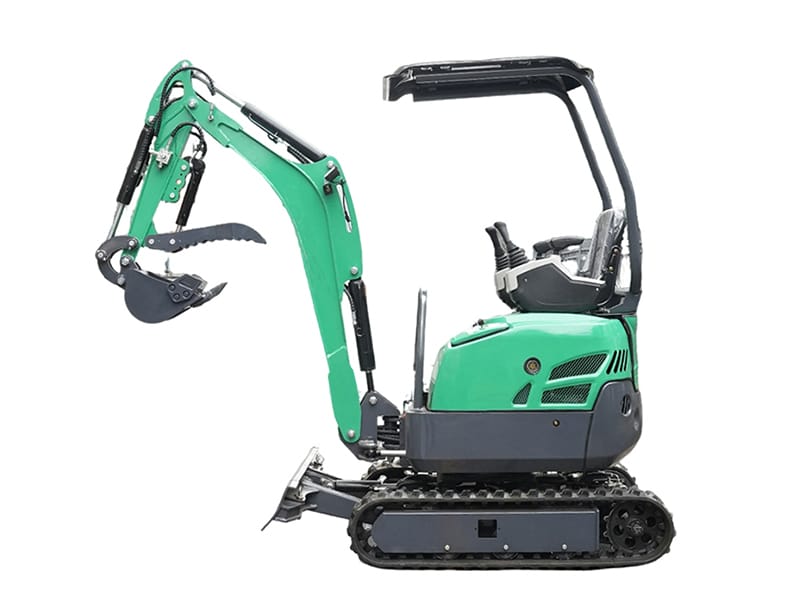
Key Features:
- Engine: Kubota D722, KOOP 192 (Euro V), 16.4 HP
- Digging Depth: 1700 mm
- Compact zero-tail design for tight spaces
Use Cases: Small construction sites, light landscaping, residential projects
Data Insight: Fuel consumption in this class averages 2.3–2.5 L/h, significantly reducing operational costs for small contractors.
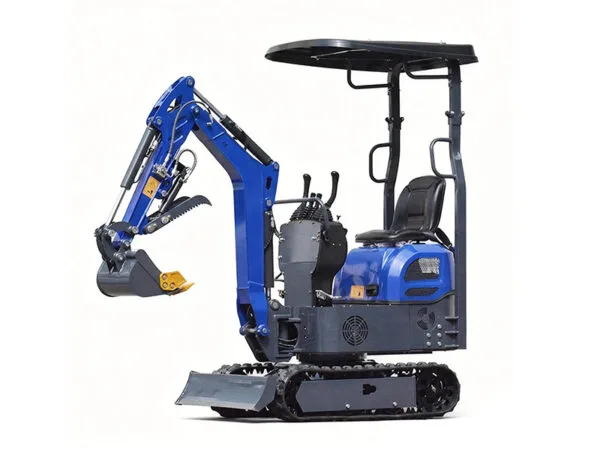
Mini Excavator 12U (1.2 Ton Class)
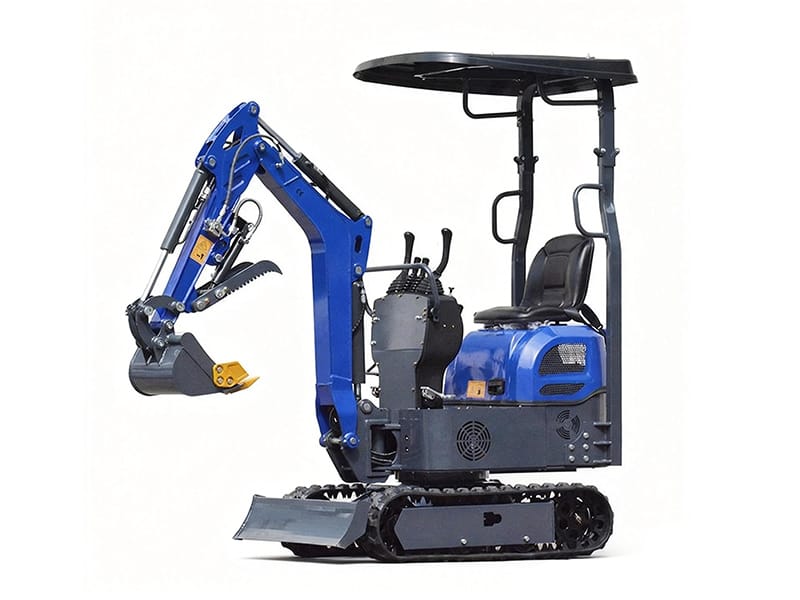
Key Features:
- Engine: YouPu / KOOP / Briggs & Stratton, 12–13.5 HP
- Tracks: 300 mm rubber
- True zero-tail swing
Use Cases: Confined urban spaces, landscaping, small-scale industrial tasks
Case Study: A municipal project in Suzhou, China, reported a 30% increase in productivity after replacing a legacy mini excavator with the 12U for trenching and pipe-laying operations.
Mini Excavator 10 (1 Ton Class)
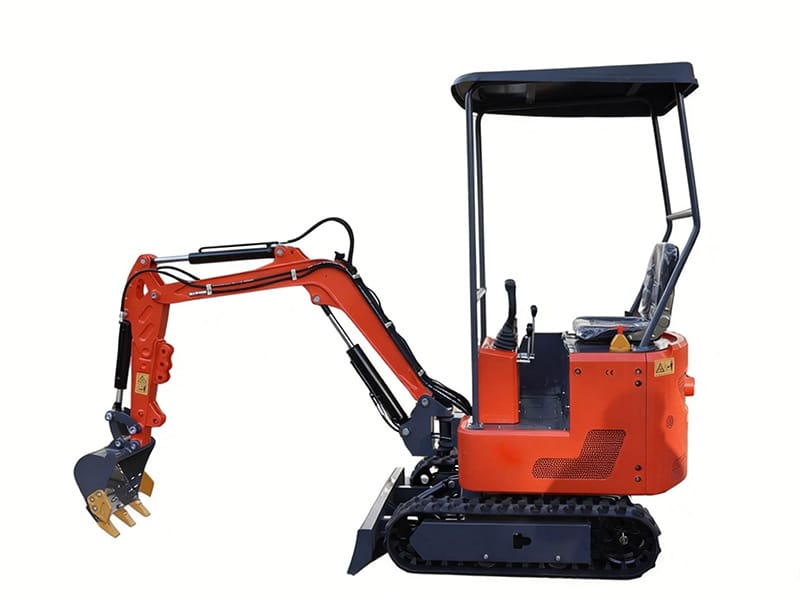
Key Features:
- Engine: YouPu / KOOP / Briggs & Stratton, 12 HP
- Max Dig Depth: 1620 mm
- Weight: 1200 KG
Use Cases: Residential landscaping, small-scale excavation
Industry Insight: Mini Excavator 10 models are increasingly used in rental fleets due to low maintenance and ease of transport.
Mini Excavator 35 (3.5 Ton Class)
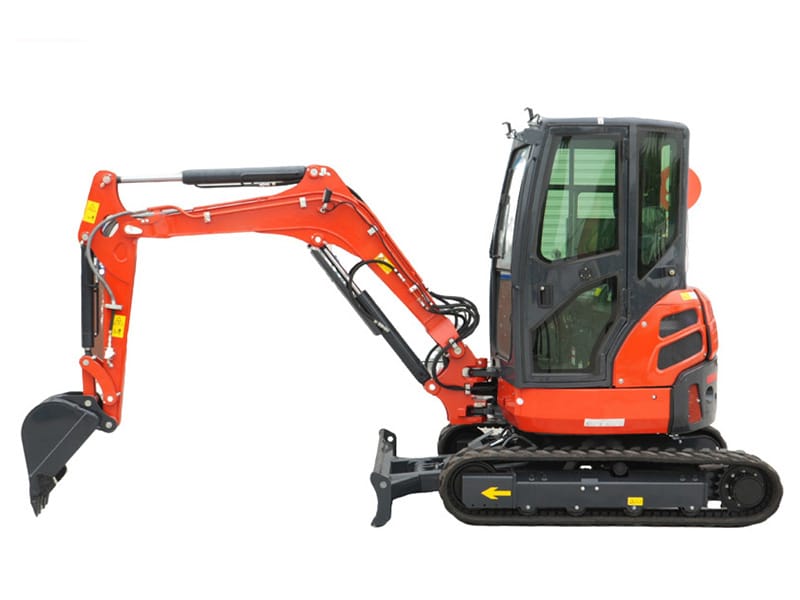
Key Features:
- Engine: Kubota V1505, 33.5 HP
- Max Dig Depth: 2950 mm
- Bucket Capacity: 0.12 m³
Use Cases: Heavy-duty construction, industrial projects, utility works
Professional Note: According to CE China Machinery Reports 2025, models above 3T are preferred for high-lift tasks and urban infrastructure development.
Detailed Comparison Table
| Model | Weight (KG) | Power (HP) | Max Dig Depth (mm) | Bucket Capacity (m³) | Recommended Use Case |
|---|---|---|---|---|---|
| Mini Excavator 10 | 1200 | 12–13.5 | 1620 | 0.024 | Landscaping, small jobs |
| Mini Excavator 12U | 1200 | 12–13.5 | 1620 | 0.024 | Urban, tight spaces |
| Mini Excavator 16 | 1795 | 16.4 | 1700 | 0.04 | Small construction |
| Mini Excavator 25 | 2780 | 25–29.5 | 2200 | 0.06 | General construction |
| Mini Excavator 35 | 3875 | 33.5 | 2950 | 0.12 | Industrial projects |
Chinese Mini Excavators vs Global Brands
Cost Comparison
| Brand Origin | Avg Price (USD) | Maintenance Cost | Fuel Efficiency | Warranty |
|---|---|---|---|---|
| Chinese (1–3.5T) | 5,000–25,000 | Low | High | 1–2 yrs |
| Japanese/European | 20,000–45,000 | Medium-High | Medium-High | 3–5 yrs |
Insight: For small-to-medium projects, Chinese mini excavators offer up to 40% cost savings without compromising essential performance.
Technology Gap
Chinese models now incorporate load-sensing hydraulics, pilot controls, and zero-tail designs, previously exclusive to Japanese or European machines. The gap is narrowing fast, particularly in fuel efficiency and operator comfort.
Parts Availability
Parts availability has improved significantly due to international distributors and e-commerce platforms, making repairs easier and reducing downtime.
Key Features That Make Chinese Mini Excavators Competitive
Advanced Safety Systems
- Reinforced operator cabins with tempered glass
- Emergency escape tools and fire extinguisher included
- Skylight and air conditioning for blind-spot elimination
Precision and Versatility
- Pilot control systems reduce operator fatigue
- Boom sway control and hydraulic tensioning enhance precision
- Compatible with attachments like breakers, augers, and buckets
Durability and Build Quality
- Anti-corrosion coatings, XS welding, and phosphating treatment
- Automotive-grade topcoat ensures long-term operation
- Reliable under continuous operations for 8–12 hours/day
How to Choose the Right Mini Excavator
Assessing Project Requirements
- Confined urban projects → 1–1.5T machines
- Residential landscaping → 1–2T machines
- Industrial excavation → 2.5–3.5T machines
Budget vs Performance
- Factor in long-term fuel efficiency, maintenance, and resale value
Attachment Compatibility
- Check if your project requires hydraulic breakers, grapples, or trenching buckets
Terrain and Mobility
- Rubber tracks for soft soil and urban pavement
- Steel tracks for uneven construction sites
Real-World Applications
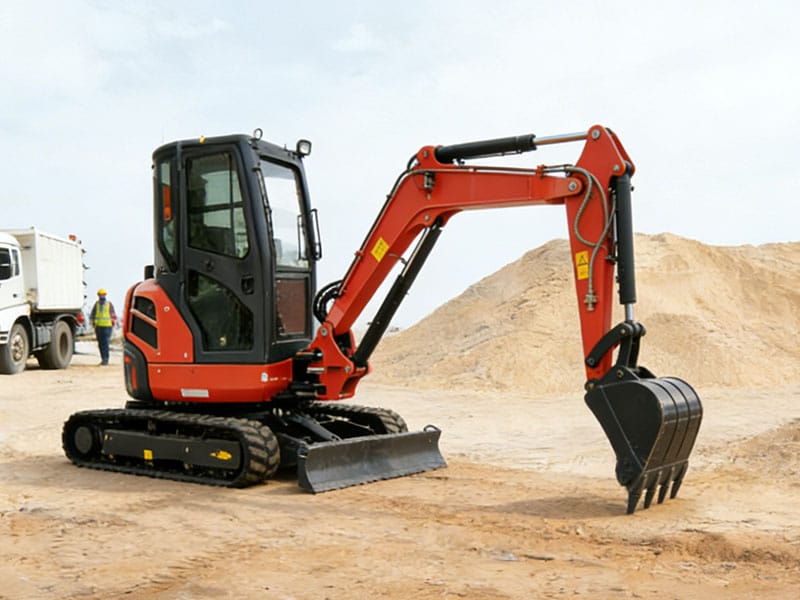
Urban Construction
- Zero-tail mini excavators are preferred in cities with tight streets
- Example: Shanghai Municipal Waterworks used Mini Excavator 12U for pipeline installation
Landscaping Projects
- Mini Excavator 16 and 25 ideal for gardens, parks, and urban greenery
- Case Study: Beijing Central Park Renovation improved efficiency by 25% using Mini Excavator 16
Agricultural Use
- Land leveling, irrigation, and trenching
- Compact design enables access to greenhouses and farms
Industrial and Heavy-Duty Projects
- Mini Excavator 35 handles larger excavation, lifting, and industrial applications
- Example: Guangzhou Industrial Development Zone used Mini Excavator 35 for utility infrastructure
Cost and Maintenance Analysis
Initial Purchase Costs
- 1T–1.5T: $5,000–$8,000
- 2T–2.8T: $10,000–$18,000
- 3–3.5T: $20,000–$25,000
Fuel Efficiency
- Average 1–3.5T models: 2–6 L/h depending on workload
Maintenance Costs
- Routine inspections and hydraulic filter replacements
- OEM parts availability reduces repair downtime
FAQ
Which mini excavator is best for small business projects?
1–2T machines like Mini Excavator 10 or 12U are cost-effective, versatile, and easy to transport.
Are Chinese mini excavators reliable?
Yes, especially models with trusted engines and advanced hydraulics. Modern machines match international standards.
How long will these machines last?
With regular maintenance, operation can extend over 8,000–10,000 working hours.
Can I use them in urban areas?
Zero or short-tail swing designs make them perfect for confined city spaces.
Are parts easy to get?
Yes. Most models now have international distribution networks and e-commerce availability.
What about resale value?
Resale value is improving as Chinese machines gain reputation for reliability and performance.
Industry Standards and References
- ISO 9001: Quality management system compliance for manufacturing
- CE Certification: Ensures machinery meets European safety standards
- Construction Equipment Reports 2025: Market share and growth trends
- Global Construction Machinery Whitepaper 2024: Performance and durability benchmarks
Conclusion
Best Chinese mini excavators have evolved into reliable, high-performance, and cost-effective machines suitable for multiple construction, landscaping, agricultural, and industrial projects. With compact designs, advanced hydraulics, and trusted engines, these machines provide professional-grade performance at a fraction of the cost of international brands.
By understanding your project needs, evaluating key features, comparing models, and considering real-world case studies, you can confidently select the right mini excavator that maximizes productivity and ROI.
Thank you for taking the time to read our guide on excavators. We hope the insights and tips shared here help you make smarter choices for your construction projects.
For more expert advice, updates, and discussions on heavy machinery, follow our Facebook page and stay connected with our community.