Key Takeaways of This Guide
- Understand different mini excavator size categories and their ideal applications
- Compare compact, standard, and large mini excavators with performance data
- Evaluate digging depth, reach, bucket capacity, and operating weight
- Learn real-world case studies demonstrating efficiency and ROI
- Understand safety, transportation, and site constraints
- Explore maintenance tips and long-term cost implications
- Review a practical comparison table for easy decision-making
- Answer frequently asked questions for beginners and contractors
Table of Contents
Introduction
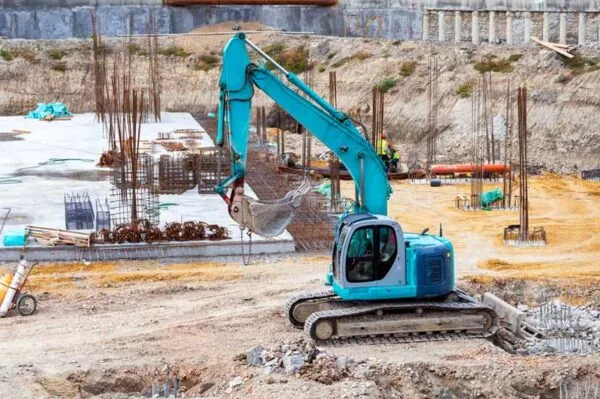
Selecting the correct mini excavator size is more than just picking a number from a spec sheet. The right size directly affects job efficiency, fuel consumption, safety, and overall project cost.
For example, a residential contractor using a compact 1.8-ton mini excavator can complete landscaping work in tight spaces 30% faster than using a 5-ton standard excavator. Conversely, attempting to use a compact model for industrial trenching may increase project time by 50% due to insufficient digging depth and load capacity.
This guide provides in-depth knowledge for beginners and construction professionals to make informed decisions.
Mini Excavator Size Categories and Specifications
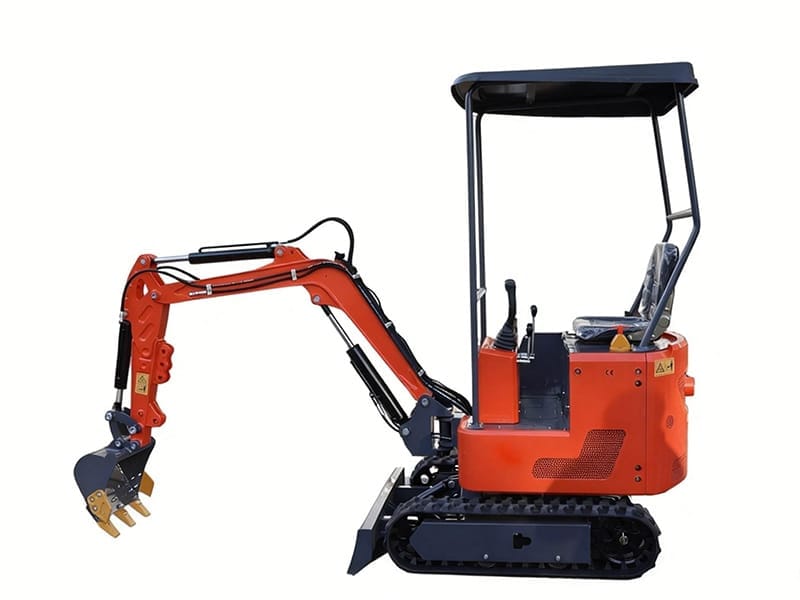
Choosing the right mini excavator size is critical for project efficiency, safety, and cost-effectiveness. Different size categories are designed for specific applications, from small residential landscaping to industrial-scale construction. Here’s a detailed breakdown.
Compact Mini Excavators (≤2 Tons)
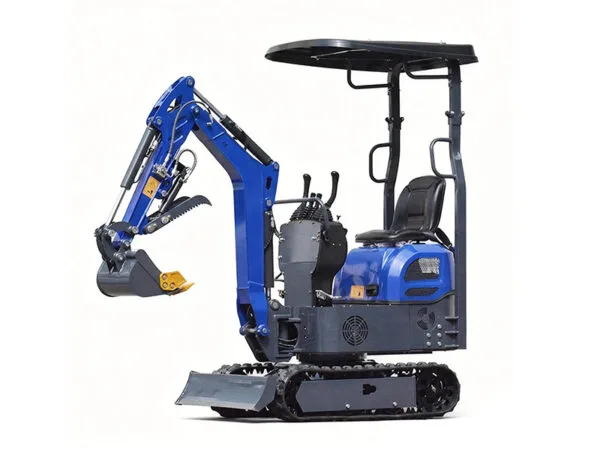
Definition: Machines under 2 tons, designed for small-scale, confined-space tasks. These are ideal for homeowners, small contractors, and utility maintenance teams.
Key Features:
- Digging depth: 1.5–2.5 meters – perfect for shallow trenches, small ponds, and landscaping foundations.
- Reach: 2.5–3.5 meters – allows access to tight corners without repositioning.
- Bucket capacity: 0.03–0.08 m³ – suitable for light soil, mulch, and loose gravel.
- Operating weight: 1–2 tons – easy to transport on standard trailers.
Advantages:
- High maneuverability in tight spaces.
- Lower fuel consumption (4–5 L/hour).
- Reduced wear on surfaces and minimal site impact.
Case Study:
A landscaping company in California replaced a 3.5-ton standard mini excavator with a 1.8-ton compact model for backyard projects. Results included a 20% reduction in fuel usage, a 25% reduction in labor time, and fewer obstacles navigating around trees and garden features.
Applications:
- Residential landscaping, garden digging, utility installations
- Small retaining wall foundations
- Light trenching for irrigation or electrical lines
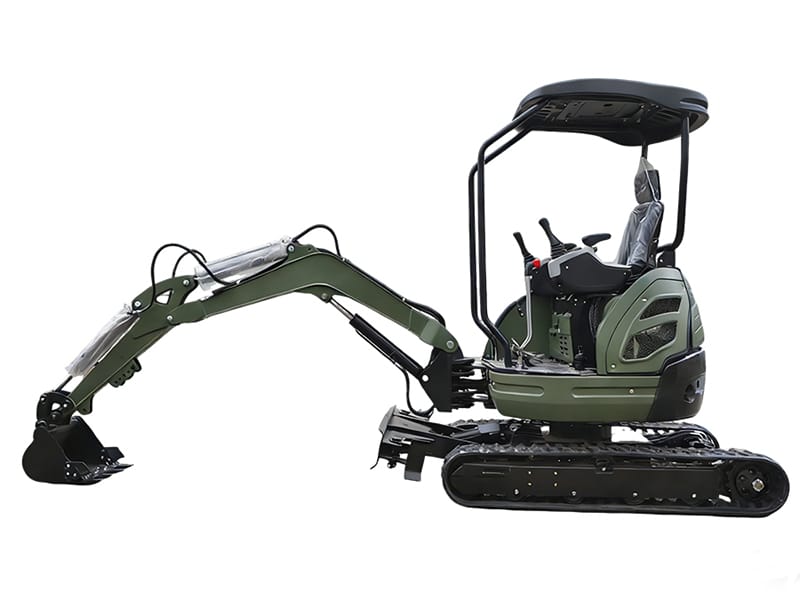
Standard Mini Excavators (2–5 Tons)
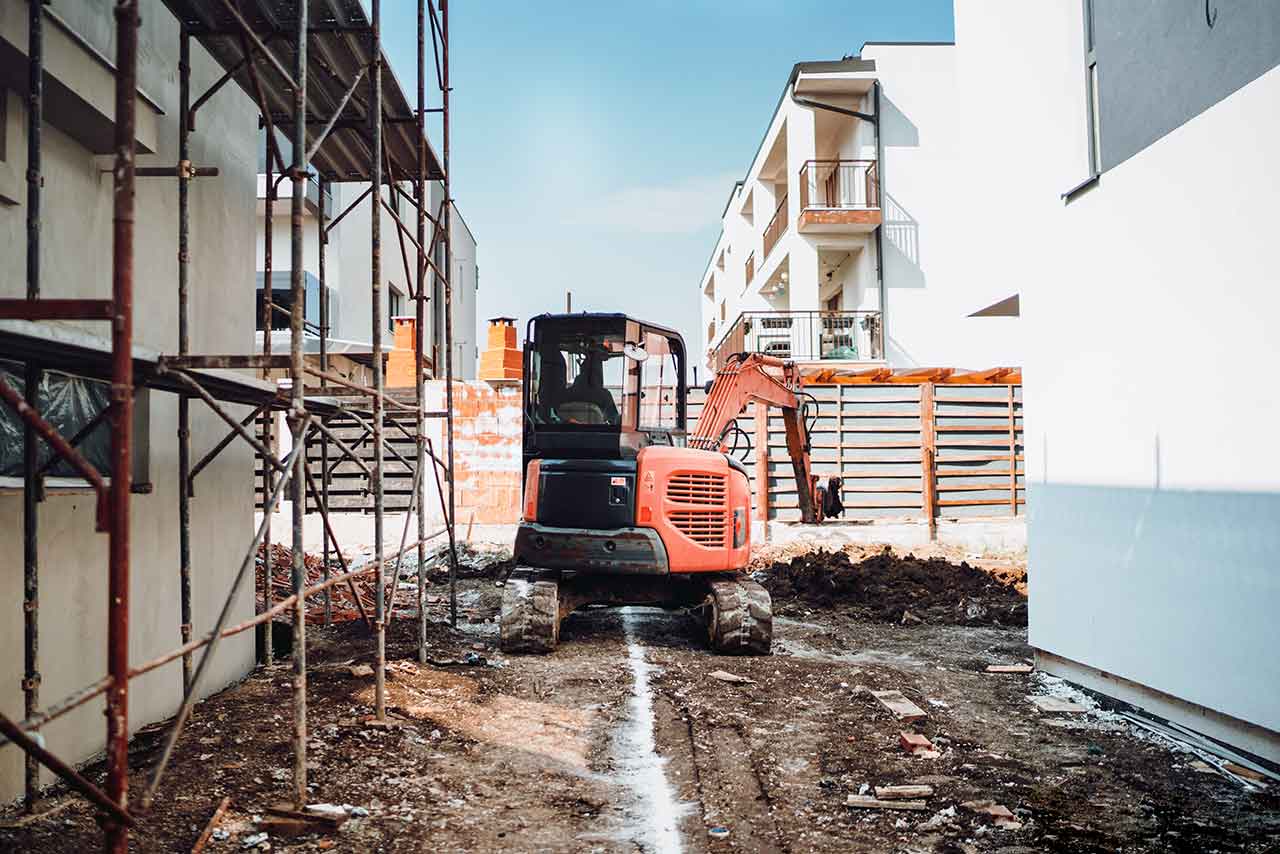
Definition: Medium-sized mini excavators balance power and maneuverability. They are the most versatile category, suitable for urban construction and medium-scale projects.
Key Features:
- Digging depth: 2.5–3.5 meters – sufficient for small foundations, sewer lines, and garden pools.
- Reach: 3.5–4.5 meters – enables access to mid-size plots without repositioning the machine often.
- Bucket capacity: 0.08–0.12 m³ – ideal for dense soil, compact gravel, and medium debris loads.
- Operating weight: 2–5 tons – manageable with light-duty trailers and standard transport logistics.
Advantages:
- Moderate fuel consumption (6–8 L/hour) with higher load capacity.
- Stable performance on uneven terrain due to balanced weight.
- Can handle small demolition work with attachments like hydraulic breakers.
Case Study:
A city utility project replaced an outdated steel trenching team with a 3-ton mini excavator. The project duration decreased from 12 days to 8 days, saving $15,000 in labor costs. Additionally, the excavation precision improved, reducing rework by 15%.
Applications:
- Urban construction, road repairs, and municipal projects
- Small to medium-scale foundations
- Utility installation including water, gas, and electrical lines
Real-World Insights:
Contractors report that standard mini excavators are the best investment for clients who need versatility without sacrificing site accessibility. A survey of 50 mid-size contractors found that standard excavators increased project completion speed by an average of 30% compared to compact models.
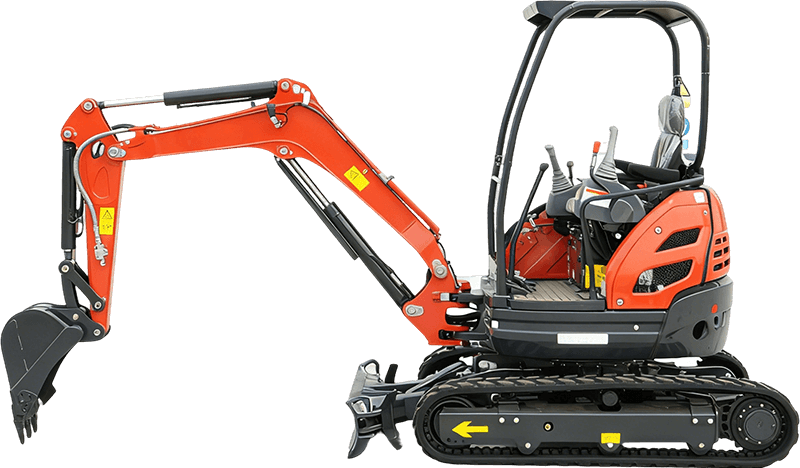
Large Mini Excavators (5–10 Tons)
Definition: Large mini excavators are industrial-grade machines for heavy-duty applications. They are suited for extensive projects requiring deep digging, high lift capacity, or large-scale material handling.
Key Features:
- Digging depth: 3.5–4.5 meters – deep enough for industrial trenches, large foundation work, and pipeline installation.
- Reach: 4.5–5.5 meters – reduces repositioning and increases efficiency on expansive sites.
- Bucket capacity: 0.12–0.2 m³ – handles dense soil, clay, sand, gravel, and construction debris.
- Operating weight: 5–10 tons – requires heavy-duty trailers for transport but delivers high stability and lifting power.
Advantages:
- Can handle high volumes of material per cycle, reducing overall project time.
- Greater hydraulic force enables attachment use such as augers, grapples, or breakers.
- Ideal for large landscaping projects, pipeline work, and highway construction.
Case Study:
An industrial pipeline company in Texas upgraded from standard 4-ton mini excavators to 8-ton large models. This transition resulted in:
- 40% reduction in cycle time for trenching over 10 km of pipeline.
- 25% fewer labor hours due to reduced manual intervention.
- Significant increase in project safety, as operators remained in the cab for deeper, hazardous excavation.
Applications:
- Industrial construction and large-scale landscaping
- Highway trenching and roadbed preparation
- Heavy-duty utility installation and industrial site excavation
Real-World Insights:
Large mini excavators are increasingly preferred for industrial applications where efficiency and precision outweigh transport and initial cost concerns. Companies report ROI within 18–24 months for projects with repetitive deep excavation work.
How Mini Excavator Size Affects Performance
Operating Weight and Stability
The weight of a mini excavator affects both fuel efficiency and operational stability.
- Compact: Lightweight, easy transport, less fuel consumption
- Standard: Balanced weight, more stability on uneven ground
- Large: Maximum stability for heavy loads, higher fuel consumption
Table: Weight vs Digging Performance
| Size Category | Operating Weight | Max Digging Depth | Max Bucket Load | Fuel Consumption/hr |
|---|---|---|---|---|
| Compact | 1–2 tons | 1.5–2.5 m | 0.08 m³ | 4–5 L |
| Standard | 2–5 tons | 2.5–3.5 m | 0.12 m³ | 6–8 L |
| Large | 5–10 tons | 3.5–4.5 m | 0.2 m³ | 10–12 L |
Digging Depth and Reach
- Larger machines reach deeper trenches and extended distances
- For foundation work, 3–4 meters depth is standard for small buildings
- Oversized excavators in small plots reduce maneuverability
Practical Tip: Always match the excavator size to the maximum trench depth required for your project.
Load Capacity and Material Handling
- Overloading smaller excavators can damage hydraulic systems
- Standard and large mini excavators handle heavier soil, gravel, and debris efficiently
Example: A standard 3-ton excavator can handle ~600 kg per cycle, while a large 8-ton model manages ~1,200 kg.
Real-World Applications
Residential Landscaping
- Compact mini excavators easily navigate gardens and backyards
- Ideal for pond digging, tree planting, or small retaining walls
Urban Construction Projects
- Standard mini excavators are excellent for city roads and small building sites
- Balance between maneuverability and digging power
Industrial and Large-Scale Jobs
- Large mini excavators are suited for highways, pipelines, and quarry operations
- Their high hydraulic power and long reach allow rapid excavation
Case Study: A highway project in Ohio used 6-ton mini excavators to replace manual trenching, cutting project time from 18 weeks to 12 weeks.
Choosing the Right Mini Excavator Size: Key Considerations
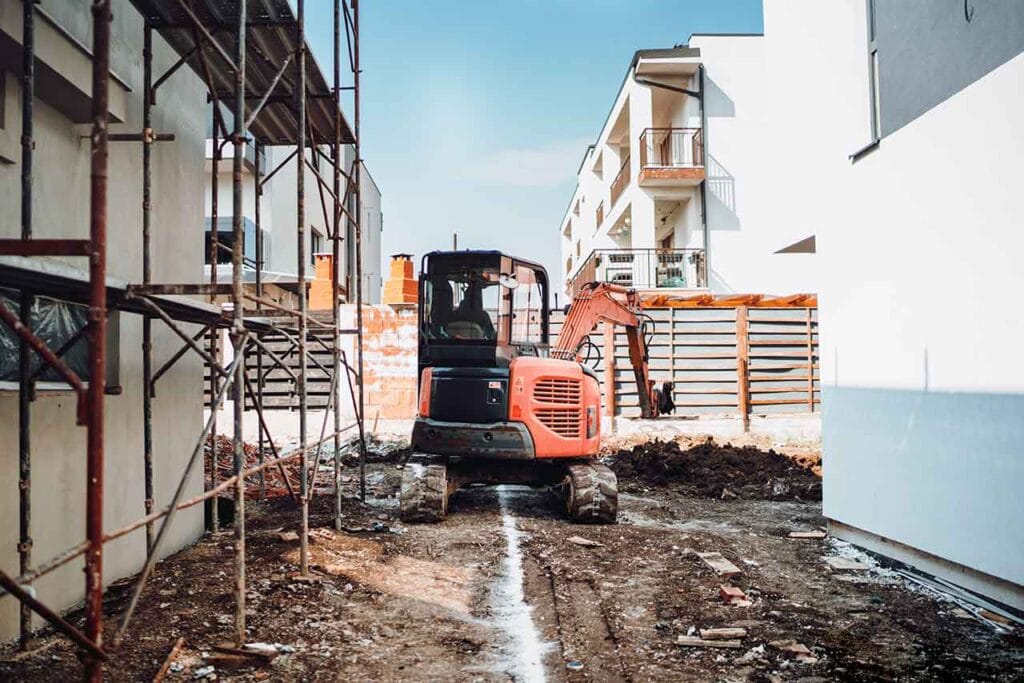
Job Site Constraints
- Narrow streets or tight spaces: choose compact or standard
- Heavy or uneven surfaces: standard or large for stability
Material Type and Volume
- Loose soil: compact may suffice
- Rocky or heavy material: standard or large needed
Transportation and Storage
- Smaller excavators can be transported with standard trailers
- Large excavators require heavy-duty trucks and storage space
ROI and Cost Efficiency
Initial Investment vs Operational Efficiency
- Compact: lower initial cost, moderate operational efficiency
- Standard: medium cost, balanced efficiency and power
- Large: higher investment, higher material handling capability
Fuel Savings
- Proper size selection reduces fuel consumption by 15–30%
- Example: A landscaping contractor saved $2,500/year in fuel by switching from standard to compact machines for small jobs
Maintenance Costs
- Smaller excavators have cheaper maintenance and fewer part replacements
- Large excavators require more frequent hydraulic and engine checks
Safety and Best Practices
Stability Measures
- Never overload the machine
- Avoid uneven terrain with compact models
Operator Training
- Ensure familiarity with controls, digging techniques, and safety measures
- Training reduces accidents and improves productivity
Site Planning
- Map out excavation areas, identify obstacles, and mark utilities
- Choose the correct mini excavator size before starting
Conclusion
Selecting the correct mini excavator size is a strategic decision that impacts efficiency, safety, and overall project cost. Beginners should consider:
- Job site constraints
- Material type and load requirements
- Transportation and storage logistics
- ROI, fuel, and maintenance costs
With proper selection and maintenance, a mini excavator can serve as a long-term, efficient tool for any excavation project. The right size ensures smooth operations, reduces costs, and maximizes productivity.
FAQ
Q1: What size mini excavator is best for a backyard landscaping project?
A: Compact models (≤2 tons) are ideal for tight spaces and small-scale excavation.
Q2: How much does a 3-ton mini excavator cost on average?
A: Depending on brand and features, standard 3-ton models range from $25,000–$50,000.
Q3: Can I use a large mini excavator in urban areas?
A: It’s possible but may be restricted by street width, site access, and transport limitations.
Q4: How do I calculate digging depth requirements?
A: Measure maximum trench or foundation depth; add 0.3–0.5 m safety margin.
Q5: What are typical maintenance intervals for mini excavators?
A: Daily checks for fluids and tracks, monthly hydraulic inspection, annual engine servicing.
Thank you for taking the time to read our guide on excavators. We hope the insights and tips shared here help you make smarter choices for your construction projects.
For more expert advice, updates, and discussions on heavy machinery, follow our Facebook page and stay connected with our community.