Blog Highlights
- Why investing in the best mini excavator for the money saves you long-term costs
- Key technical features of top mini excavators (Mini Excavator 25, 16, and 12U)
- Comparison tables for performance, engine, and pricing
- Buying guide and site-specific recommendations
- Operator comfort, safety, and fuel efficiency insights
- Common mistakes to avoid when purchasing
- FAQs covering durability, maintenance, and performance
- Real-world case studies and practical tips for contractors
Table of Contents
Introduction
Choosing the right mini excavator is not just about the purchase price. Many buyers focus only on upfront cost, only to face frequent breakdowns, high maintenance, or poor productivity. Investing in the best mini excavator for the money ensures:
- Long-term durability and reliability
- Reduced fuel and maintenance costs
- Greater productivity in both confined and open spaces
- Safety and operator comfort for extended hours
In modern construction, landscaping, and municipal projects, mini excavators like the Mini Excavator 25, 16, and 12U have become essential tools. Their compact design combined with powerful engines and advanced hydraulics ensures high efficiency in tight spaces and demanding conditions.
Understanding Mini Excavators: Concepts and Value
What Makes a Mini Excavator Worth Every Penny?
A mini excavator worth investing in balances cost, durability, and performance. Machines with powerful engines, advanced hydraulics, and operator-friendly features may cost more upfront but save time, reduce fuel consumption, and lower repair expenses over time.
Compact vs. Performance
Mini excavators are designed to fit in narrow job sites while maintaining sufficient power for excavation, lifting, and demolition. The key is choosing a model that matches your project requirements:
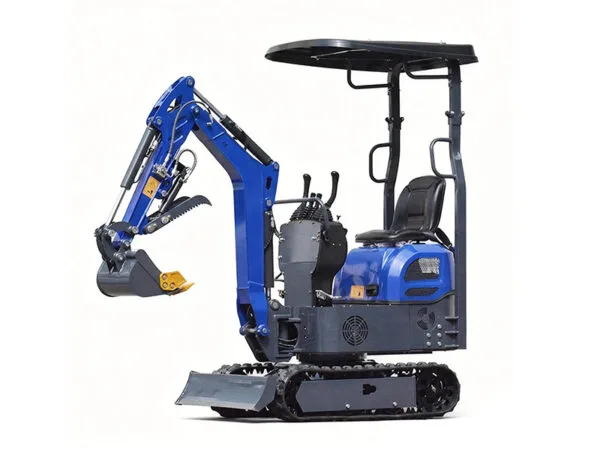
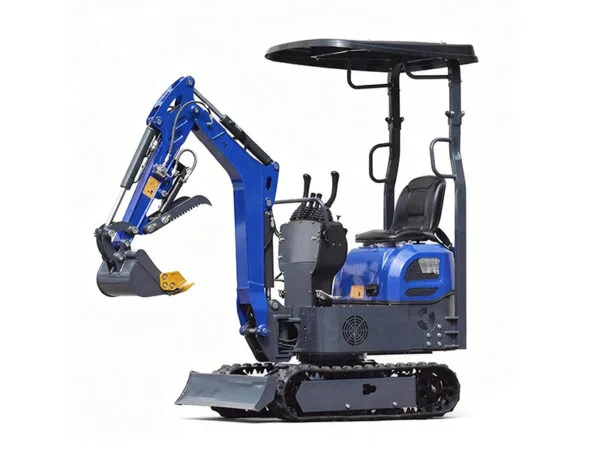
- Mini Excavator 12U: Ultra-compact, ideal for tight urban landscaping
- Mini Excavator 16: Mid-range, versatile for small-to-medium construction
- Mini Excavator 25: High-performance, suitable for heavy-duty municipal and industrial projects
Key Features of the Best Mini Excavators for the Money
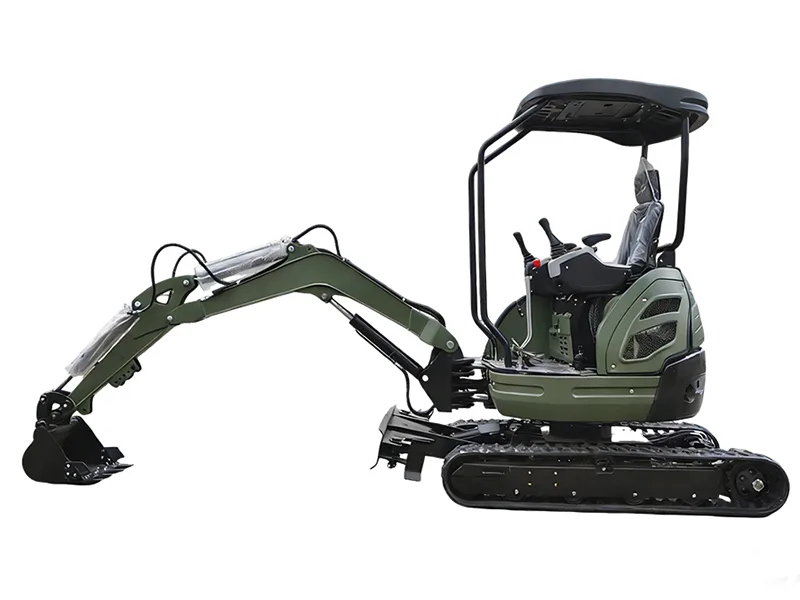
Mini Excavator 25 – Powerful, Compact, and Reliable
Engine Performance
Equipped with Kubota D902 or D1105 engines, delivering 25.2–29.5 HP, optimized fuel system, and a larger fuel tank for extended operation. Fuel efficiency and engine reliability are core benefits.
Hydraulic System
Imported Nachi hydraulic system ensures smooth digging, boom sway control, and long-term durability. High-performance filtration and premium hydraulic hoses resist harsh conditions.
Digging Depth and Stability
Maximum digging depth: 2200 mm, supported by top-mounted cylinders and cast counterweights. Perfect for heavy landscaping, urban construction, and small-scale excavation.
Operator Comfort and Safety
- Reinforced cab with tempered glass, air conditioning, and roof skylight
- Fire extinguisher and emergency hammer included
- Ergonomic design reduces fatigue during long shifts
Compact Tailless Design
True zero-tail-swing allows seamless operation in confined spaces, reducing the risk of accidental collisions.
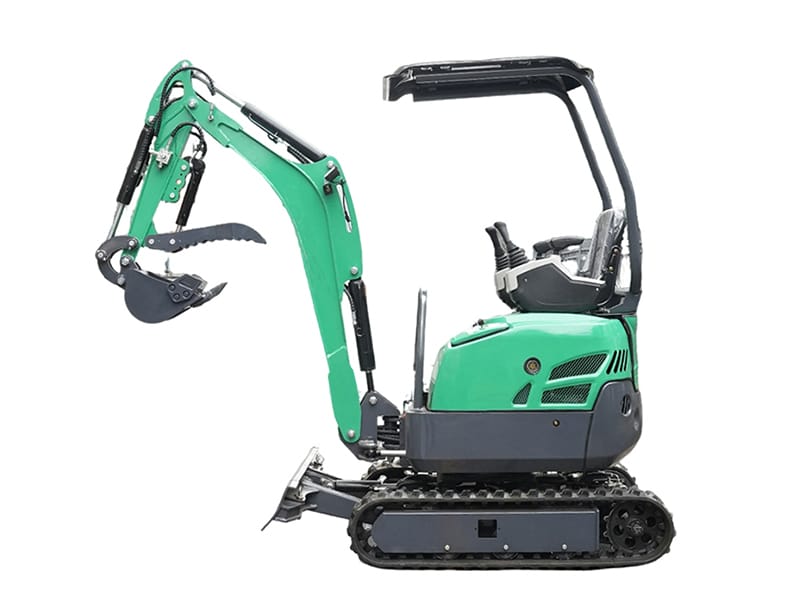
Mini Excavator 16 – Compact, Powerful, and Efficient
Engine Options
Kubota D722, KOOP 192 (Euro V), or Changchai 192 engines delivering 10.3–16.4 HP, optimized for fuel efficiency.
Hydraulic and Lifting Performance
Top-mounted cylinders and cast counterweights provide stability and strong lifting capacity. Two-speed travel and precise hydraulic pilot controls enhance maneuverability and operational accuracy.
Operator Safety
Four-post reinforced canopy ensures rollover protection. Forward-tilting seat cover allows easy maintenance, and all critical components are accessible.
Ideal Use Cases
Small urban projects, landscaping, residential excavation, and minor construction works.
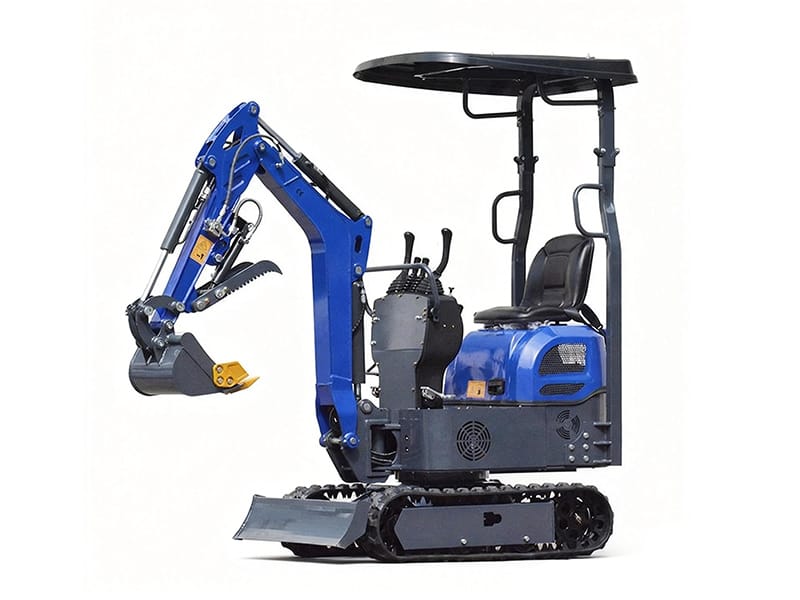
Mini Excavator 12U – Ultra-Compact, Flexible, and Reliable
Engine Options
YouPu, KOOP, or Briggs & Stratton engines delivering 12–13.5 HP, with optimized fuel system for low consumption.
Hydraulic and Travel Features
Negative-sensitivity hydraulic pump system, pilot controls, and two-speed travel ensure smooth operation even on uneven terrain. 300 mm rubber tracks improve traction for mobility in confined spaces.
Zero-Tail-Swing Design
Perfect for extremely narrow work sites, urban construction, and landscaping projects.
Light-Duty Lifting Capability
Three-point balanced lifting ensures safe handling of small loads while maintaining stability.
Comparison Table: Mini Excavator 25, 16, 12U
| Model | Operating Weight | Engine Power | Max Digging Depth | Bucket Capacity | Key Feature |
|---|---|---|---|---|---|
| Mini Excavator 25 | 2780 KG | 25.2–29.5 HP | 2200 mm | 0.06 m³ | Advanced hydraulic system, zero-tail-swing |
| Mini Excavator 16 | 1795 KG | 10.3–16.4 HP | 1700 mm | 0.04 m³ | Two-speed travel, reinforced canopy |
| Mini Excavator 12U | 1200 KG | 12–13.5 HP | 1620 mm | 0.024 m³ | Ultra-compact, true zero-tail-swing, rubber tracks |
Analysis: The Mini Excavator 25 offers maximum power and durability, ideal for intensive work. The 16 is versatile and fuel-efficient, while the 12U excels in tight spaces with precision operation. Choosing the best mini excavator for the money depends on project scale, site constraints, and frequency of use.
Buying Guide: How to Choose the Best Mini Excavator
Step 1: Identify Your Needs
- For heavy-duty municipal projects → Mini Excavator 25
- For residential or landscaping → Mini Excavator 16
- For ultra-tight urban spaces → Mini Excavator 12U
Step 2: Consider Long-Term Costs
Include maintenance, fuel, and potential downtime. A higher initial cost often results in lower lifetime expenses.
Step 3: Evaluate Hydraulic and Engine Performance
Prioritize machines with proven reliability, advanced hydraulics, and fuel-efficient engines.
Step 4: Safety and Operator Comfort
Ensure rollover protection, emergency equipment, and ergonomic design to reduce accidents and fatigue.
Step 5: Test Before Purchase
If possible, operate a demo unit to assess maneuverability, digging performance, and control responsiveness.
Real-World Case Studies
Case Study 1: Urban Landscaping
A contractor used Mini Excavator 12U for a downtown landscaping project. Benefits included:
- Access to tight alleys and garden plots
- Reduced labor costs due to precise maneuverability
- Zero accidents reported due to operator-friendly cab and zero-tail-swing design
Case Study 2: Municipal Construction
The Mini Excavator 25 handled sewer line excavation in a city project:
- Maximum digging depth of 2200 mm reduced excavation time by 25%
- High hydraulic performance enabled safe lifting of heavy pipes
- Fuel-efficient Kubota engine lowered operating costs by 15%
Common Mistakes to Avoid
- Ignoring total cost of ownership (fuel, maintenance, repairs)
- Selecting a machine too small for required load
- Skipping safety features like reinforced cab or emergency equipment
- Neglecting to consider site constraints (space, ground surface, accessibility)
Conclusion
Investing in the best mini excavator for the money means considering long-term value, fuel efficiency, operator comfort, and hydraulic performance. Models like Mini Excavator 25, 16, and 12U provide tailored solutions for diverse applications—from heavy municipal work to precise landscaping tasks. Choosing the right machine enhances productivity, reduces costs, and ensures safe and reliable operations.
By evaluating engine power, digging depth, hydraulic performance, and operator safety, buyers can make informed decisions and select a mini excavator truly worth every penny.
FAQ
1. Which mini excavator offers the best value for tight urban sites?
The Mini Excavator 12U provides ultra-compact design and zero-tail-swing, ideal for narrow workspaces.
2. How often should I perform maintenance?
Check hydraulics, tracks, engine oil, and filters weekly, and schedule professional service every 500 operational hours.
3. Can I lift medium loads with a Mini Excavator 16?
Yes, with cast counterweights and reinforced hydraulic systems, it handles small-to-medium lifting safely.
4. How fuel-efficient is the Mini Excavator 25?
Thanks to Kubota D902/D1105 engines and optimized fuel systems, it consumes up to 15% less fuel compared to similar 3-ton machines.
5. Are used mini excavators a good option?
Yes, if purchased from reputable dealers and carefully inspected for engine health, track condition, and hydraulic integrity.
Thank you for taking the time to read our guide on excavators. We hope the insights and tips shared here help you make smarter choices for your construction projects.
For more expert advice, updates, and discussions on heavy machinery, follow our Facebook page and stay connected with our community.