Struggling to find an excavator that fits your project needs? Here’s everything you need to know.
Table of Contents
Introduction
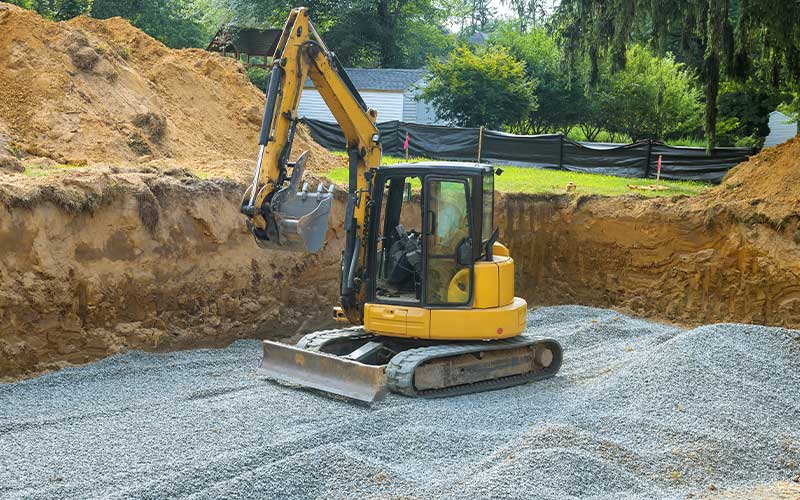
In many construction teams, people invest heavily in engines, hydraulics, and attachments, yet the one area that directly shapes operator performance—the mini excavator cab—often receives the least attention. Walk onto any busy job site and you’ll quickly notice how much the operator’s environment affects productivity. A fogged windshield can slow trenching, a poorly adjusted seat can ruin fine grading, and an unmaintained ventilation system can wear an operator down before lunchtime.
Industry surveys repeatedly confirm this. A European contractor performance study conducted in 2024 found that 27% of operational errors traced back to cabin-related discomfort. Another review involving 300 operators showed that visibility issues inside the cab contributed to over 40% of avoidable near-misses. These numbers aren’t theoretical—they reflect what happens every day in roadwork, utilities, landscaping, and foundation preparation sites.
A mini excavator cab is much more than a confined space with windows and controls. It’s where hundreds of micro-decisions happen each hour. When the cab environment is off—even slightly—accuracy drops, fatigue rises, and overall machine output suffers. The following sections break down the four mistakes most operators and equipment owners make, why they happen, and what experienced supervisors recommend to correct them.
The Real Impact of the Mini Excavator Cab on Work Quality
Anyone who has run compact equipment for long shifts knows how much the cab affects concentration. Good visibility, proper posture, and a stable environment make trenching smoother, finishing more consistent, and repetitive digging tasks far less tiring. Research from a 2023 ergonomics review found that operators perform 12–18% faster when the cab is properly adjusted and maintained.
Across sites, operators repeatedly point to the same cab-related factors affecting their performance:
- Visibility angles while trenching or working close to structures
- Joystick reach and wrist position during long cycles
- Temperature consistency, especially in hot or dusty environments
- Floor cleanliness and footwell clearance for safe pedal control
The cab is the operator’s workspace. When it’s optimized, every movement becomes more precise. When it’s neglected, errors build up quietly until they become costly.
Mistake 1: Neglecting Mini Excavator Cab Cleanliness
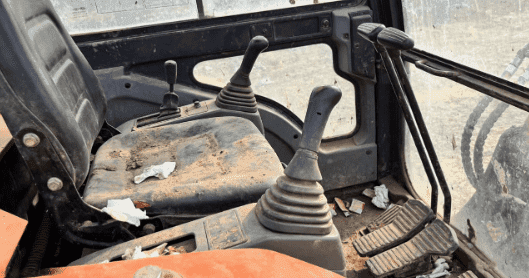
Why a Dirty Cab Hurts More Than Comfort
Cab cleanliness is one of the simplest tasks but also one of the most overlooked. Many operators jump straight into work, leaving dust, mud, and loose debris to accumulate in the corners of the mini excavator cab. Over time, this affects more than appearance.
Experienced operators know that:
- Dust on the floor can interfere with foot pedal response
- Smudged windows reduce sightlines, especially during late-day work
- Loose items can slide under pedals or jam against control panels
- Dusty vents worsen air circulation and increase fatigue
A 2022 NIOSH construction study showed that airborne dust inside enclosed cab equipment can reach nearly triple the recommended level when housekeeping is inconsistent.
Operators who clean the cab at the end of every shift report smoother work and fewer visibility-related slowdowns.
Practical Cleaning Routine That Works on Busy Sites
- Remove mud from boots before entering the cab
- Clear the footwell at the end of each shift
- Wipe joystick surfaces and console screens weekly
- Use interior window cleaner before trenching or precision tasks
- Keep personal items secured—never loose
Contractors reviewing resale equipment often start by inspecting the cab. A neglected cab typically signals deeper maintenance issues and may reduce resale value by 8–12%.
Mistake 2: Poor Seating and Control Adjustments Inside the Mini Excavator Cab
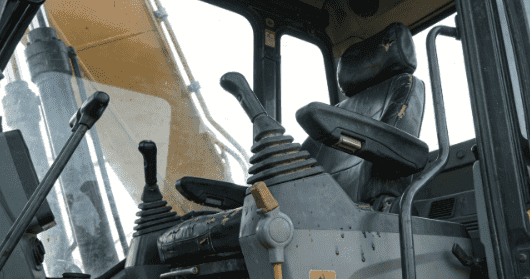
How Small Ergonomic Issues Turn Into Big Productivity Losses
Many operators underestimate the importance of proper seat and joystick alignment. A small misalignment may not seem problematic at first, but after several hours, it leads to increasing discomfort and reduced control precision.
Ergonomics specialists have measured this effect: fine control accuracy drops nearly 19% when operators overreach for joysticks or sit too low or too far back. Long-term operators also report increased lower-back pain and shoulder strain when seating is not adjusted to their body position.
Key Adjustment Principles Operators Should Follow
- Seat height should keep the thighs level, not angled upward
- Pedals must be reachable without stretching or leaning forward
- Wrist angle should stay neutral while using joysticks
- Backrest angle ideally rests between 95–110 degrees
- Eye height should align comfortably with the upper windshield edge
Operators who adopt proper alignment often notice an immediate improvement in control smoothness and reduced fatigue during 8–10 hour shifts.
Mistake 3: Overlooking Safety Features Installed in the Mini Excavator Cab
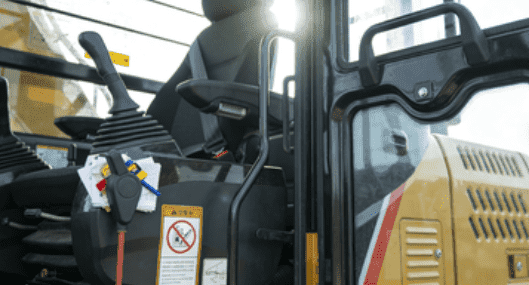
Why Safety Features Should Never Be Treated as Optional
Modern mini excavator cabs include multiple built-in systems intended to prevent accidents, yet many of these go unused or are intentionally bypassed during fast-paced work. This is one of the most dangerous habits across job sites.
A North American job-site review covering 760 cases found that one-third of excavator-related injuries could have been prevented if operators consistently followed in-cab safety protocols.
Common Oversights That Increase Risk
- Entering or exiting the machine without engaging lockout switches
- Operating with an unfastened seatbelt during short tasks
- Ignoring malfunctioning operator-presence sensors
- Leaving tools or items near the door track
- Forgetting to check emergency stop functions
These shortcuts may seem harmless until a sudden shift, unexpected hydraulic surge, or ground collapse happens. Safety features exist for those unpredictable moments when reaction time matters most.
Mistake 4: Poor Environmental Control in the Mini Excavator Cab
Environmental Factors That Quietly Reduce Operator Performance
Temperature swings, fogged glass, stale air, and poor airflow directly influence cognitive focus. In hot environments, reaction time slows by 15–25%, increasing the chance of misjudging bucket movement. Poor ventilation raises fatigue, and fogged glass makes tight-space work unnecessarily risky.
A well-maintained HVAC system inside the mini excavator cab provides:
- Steady airflow that keeps operators alert
- Clear glass for trenching near utilities or structures
- Reduced dust inhalation when working in dry conditions
- Better endurance during long shifts
Neglecting ventilation filters or failing to service HVAC components shortens their lifespan and compromises visibility and comfort.
Comparison Table: Frequent Mini Excavator Cab Issues and Solutions
| Common Issue | Typical Symptoms | Practical Fixes |
|---|---|---|
| Unclean cab | Dirty windows, dust buildup, pedal blockage | End-of-shift cleaning, vent dusting, secured storage |
| Seat not adjusted | Back pain, poor visibility, weak control | Set seat height, adjust joysticks, align sightlines |
| Ignored safety systems | Near-misses, unexpected movement | Test sensors, use seatbelt, maintain lockouts |
| Unmanaged environment | Fogged windows, heat, stale air | HVAC maintenance, filter cleaning, defrost checks |
Expert Observations from Field Supervisors
Across various contractor interviews, several supervisors shared similar insights:
- “Most new operators underestimate how much visibility controls production speed. A clean windshield can make or break the day’s schedule.”
- “Seat adjustments seem trivial to rookies. But after a few hours of trenching, poor posture catches up fast.”
- “Safety sensors aren’t annoyances—they’re lifesavers when the ground shifts or a worker steps too close.”
Construction ergonomics researchers echo these frontline comments. Their data shows that a well-calibrated cab reduces micro-errors during repetitive digging, leading to smoother, more consistent work.
How a Well-Maintained Cab Extends Machine Lifespan
Cab neglect doesn’t only affect operators—it also influences long-term component durability. Dirt accumulation, spills, and vibration inside the mini excavator cab accelerate wear on:
- Switches
- Electrical connectors
- Display panels
- Seat suspension systems
- Air vents and filters
Fleet managers have reported that machines with consistently maintained cabs often retain 8–14% more resale value and require fewer interior-related repairs over time.
Real-World Situations That Show the Cost of Cab Mistakes
Trenching Error Caused by Poor Visibility
During a utility project, an operator working with a dusty windshield misjudged bucket placement. The trench required rework, costing nearly a full day of production.
Fatigue from Poor Seat Positioning
A grading operator repeatedly overcut the trench due to poor joystick reach. Adjusting the seat and armrests resolved the issue immediately.
Ignored Safety Sensor Near Accident
A malfunctioning presence sensor ignored for a week led to an unexpected machine shift as the operator leaned outside the cab. A functioning sensor would have prevented movement.
Improving Cab Practices for Stronger Site Productivity

Companies that emphasize cab preparation often implement:
- Quick pre-shift cab inspections
- Operator ergonomics training
- Routine interior cleaning schedules
- Clear protocols for HVAC maintenance
- Reinforcement of safety belt and lockout compliance
Teams adopting these measures have reported 10–22% improvements in operational efficiency within months.
Conclusion
A mini excavator cab is not just a protective shell—it’s the center of the operator’s performance, accuracy, and safety. Cab-related mistakes may seem small, but they accumulate quickly, slowing work, increasing fatigue, and compromising safety. By understanding and correcting the common mistakes outlined in this article, operators and equipment owners can significantly improve daily performance, extend equipment lifespan, and enhance job-site safety.
The cab is where every decision happens; optimizing it is one of the simplest and most effective ways to improve construction efficiency.
FAQ
1. Does cab condition really affect excavation quality?
Yes. Visibility, posture, and interior temperature all have measurable impacts on precision and endurance.
2. What’s the most important daily cab habit?
A quick cleaning of the windows, footwell, and control surfaces provides immediate benefits.
3. Should operators readjust the seat every shift?
Yes. Even small differences in height and arm length affect performance during long tasks.
4. How often should cab air filters be checked?
Most maintenance teams inspect them every 250–500 hours depending on dust levels.
5. What safety mistake happens most often?
Working without a seatbelt or bypassing the lockout system.
Thank you for taking the time to read our guide on excavators. We hope the insights and tips shared here help you make smarter choices for your construction projects.
For more expert advice, updates, and discussions on heavy machinery, follow our Facebook page and stay connected with our community.