Table of Contents
Introduction
A 1.2T Mini Excavator offers a practical balance between compact dimensions, useful digging performance, transport convenience, and multi-purpose operation. It is designed for buyers who need more productivity than manual excavation can provide but do not require the size, weight, or capacity of a larger construction excavator.
For landscaping companies, small contractors, farms, property maintenance teams, rental businesses, and individual landowners, the 1.2-ton class can handle many everyday digging tasks without occupying excessive jobsite space. Its smaller footprint is especially valuable in gardens, residential properties, greenhouses, narrow streets, interior renovation projects, and areas surrounded by existing buildings.
This guide explains why buyers choose a 1.2T Mini Excavator, which projects it can complete, what specifications matter, and what should be checked before placing an order.
Key points covered in this article:
- What a 1.2-ton excavator can realistically do
- Why compact size can improve jobsite efficiency
- The main applications for a 1.2T Mini Excavator
- Digging depth, bucket size, engines, and hydraulic systems
- Transport and trailer considerations
- Useful attachments for different projects
- Comparison with manual labor and larger excavators
- Maintenance and supplier evaluation
- Common buyer questions before purchasing
What Is a 1.2T Mini Excavator?
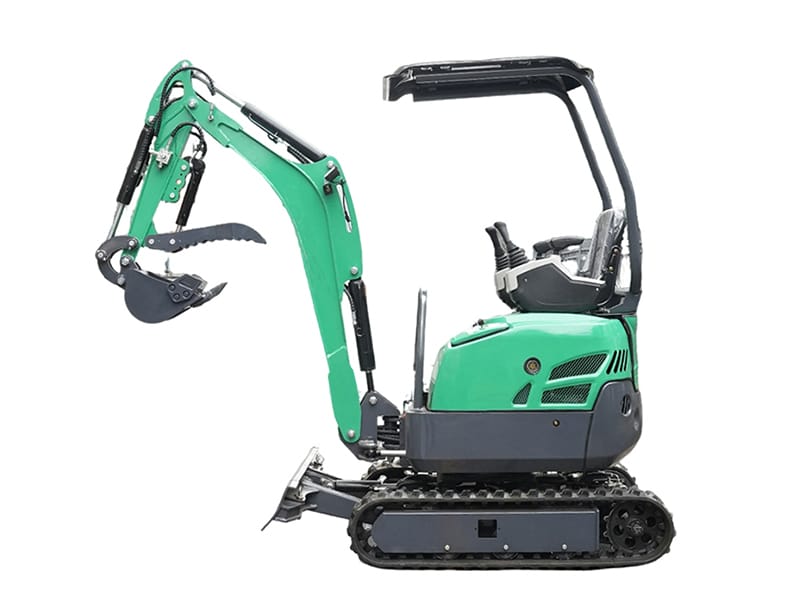
A 1.2T Mini Excavator is a compact hydraulic digging machine with an approximate operating weight of 1,200 kilograms. It normally includes a tracked undercarriage, rotating upper structure, boom, arm, bucket, hydraulic cylinders, engine, and operator station.
Like other types of excavators, it uses hydraulic power to control digging, lifting, swinging, and traveling functions. The main difference is that the compact machine is designed for narrow access, lighter work, easier transportation, and precise operation.
Understanding the 1.2-Ton Weight Class
The “1.2T” designation generally refers to the machine’s approximate operating weight. However, buyers should confirm whether the published figure includes the standard bucket, fuel, hydraulic oil, canopy, cab, operator, counterweight, or additional accessories.
Operating weight affects:
- Trailer selection
- Ground pressure
- Machine stability
- Lifting performance
- Shipping arrangements
- Jobsite access
- Attachment compatibility
Operating Weight vs Shipping Weight
Operating weight describes the machine in a working configuration. Shipping weight may exclude fuel, attachments, fluids, or removable components.
International buyers should request both figures because container loading and inland transportation are normally planned around actual shipping dimensions and weight.
Compact Excavator Concept
A compact excavator is not simply a reduced version of a large machine. It is designed around a different operating environment.
The priority is mobility, narrow access, low surface disturbance, easy positioning, and efficient performance on small or medium-volume jobs.
Why Is a 1.2T Mini Excavator Worth Buying?
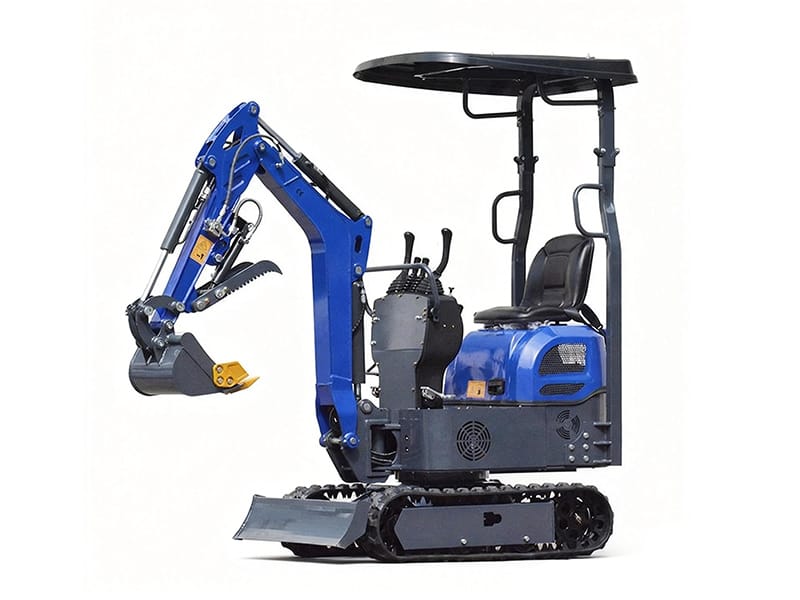
The main reason to buy a 1.2T Mini Excavator is its ability to replace repetitive manual digging while remaining small enough for restricted worksites.
It can help a contractor complete more projects, reduce dependence on manual labor, and use one machine for multiple applications.
Compact Size
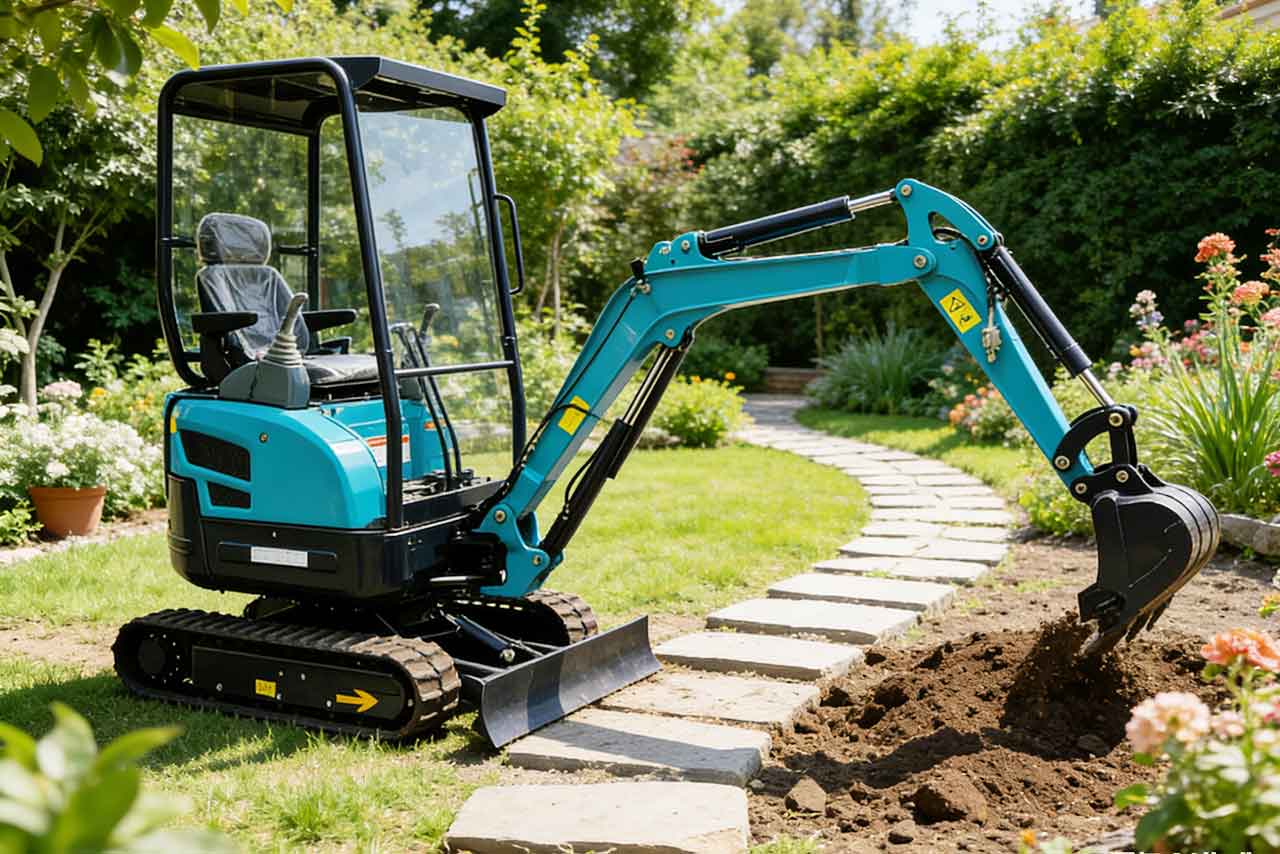
A smaller machine can pass through narrow entrances and work between buildings, fences, trees, landscaping features, and utility structures.
This is particularly valuable on residential properties where a larger excavator may require fences, gates, or garden structures to be removed.
Easier Repositioning
Small excavators can often be repositioned with fewer movements. This reduces time spent adjusting the machine and gives the operator more control near walls, foundations, plants, and completed surfaces.
Useful Digging Capacity
The HardDig 1.2T Mini Excavator 12U has an operating weight of 1,200 kg, a 0.024 m³ standard bucket, and a listed maximum digging depth of 1,620 mm. It is available with YouPu, KOOP, or Briggs & Stratton engine options rated from 12 to 13.5 HP.
These specifications place the machine in a useful category for landscaping, shallow utility work, property maintenance, agricultural projects, and small construction jobs.
Transport Convenience
A 1.2T Mini Excavator is easier to transport than a heavier two-, three-, or four-ton machine. This can benefit contractors who travel between several short-duration projects during the week.
The complete transported load must still include:
- Machine operating weight
- Trailer weight
- Buckets and attachments
- Fuel and fluids
- Chains and tie-down equipment
- Tools and spare parts
- Any canopy or cab accessories
Trailer Payload
Trailer payload should not be confused with gross trailer weight. Buyers must confirm axle ratings, tires, brakes, hitch capacity, towing vehicle limits, and local road regulations.
The HardDig construction machinery range includes models from 1,200 kg to 3,875 kg, allowing buyers to compare transport needs across several machine classes.
Lower Surface Disturbance
A lighter machine generally places less load on lawns, gardens, paved areas, and soft ground than a larger excavator.
Rubber tracks can also help reduce damage to finished surfaces, although ground conditions, track design, machine movement, and operator technique remain important.
1.2T Mini Excavator Specifications Buyers Should Check
A product name alone does not provide enough information to make a purchasing decision. Buyers should compare complete technical specifications and confirm the exact machine configuration.
| Specification | HardDig 12U Reference | Why It Matters |
|---|---|---|
| Operating weight | 1,200 kg | Affects transport, stability, and ground pressure |
| Bucket capacity | 0.024 m³ | Influences material moved per cycle |
| Maximum digging depth | 1,620 mm | Determines suitable trench and excavation depth |
| Engine options | YouPu, KOOP, Briggs & Stratton | Affects fuel type, service access, and market compliance |
| Engine power | 12–13.5 HP | Supports hydraulic and travel functions |
| Track width | 300 mm rubber tracks | Influences traction and surface protection |
| Travel mode | Two-speed | Supports controlled work and faster repositioning |
| Hydraulic controls | Pilot-operated system | Improves movement precision |
| Tail design | Zero-tail-swing | Helps operation near walls and obstacles |
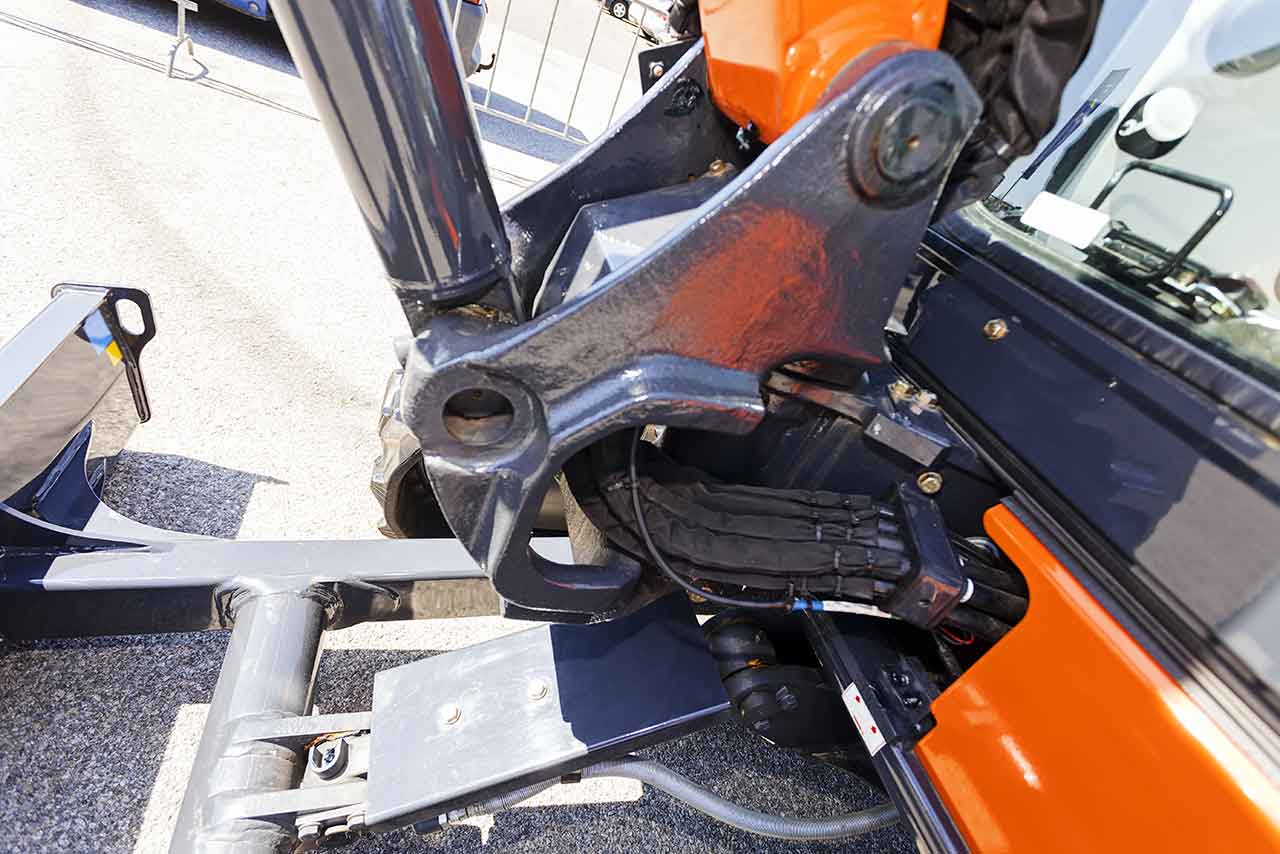
HardDig’s current 12U product page lists a negative-sensitivity hydraulic pump, pilot controls, hydraulic track tensioning, boom swing control, upgraded filtration, two-speed travel, and 300 mm rubber tracks.
Bucket Capacity
Bucket capacity indicates the approximate volume of material that can be carried during one digging cycle.
A 0.024 m³ bucket is suitable for narrow trenching, garden work, irrigation, planting, and light excavation. Actual productivity depends on bucket fill, soil condition, swing distance, dumping position, and operator skill.
Bigger Is Not Always Better
An oversized bucket can be difficult to fill in compacted ground and may place unnecessary demand on the hydraulic system.
A smaller toothed bucket may provide better penetration, while a wider grading bucket may be more efficient for loose material and surface finishing.
Maximum Digging Depth
Maximum digging depth is measured under controlled conditions and should not be treated as the normal depth for every project.
A machine operating continuously near its maximum reach may experience reduced bucket positioning flexibility. Buyers should allow a practical working margin.
Digging Depth vs Reach
Depth measures how far below ground the bucket can work. Reach measures how far the bucket can extend horizontally.
Both dimensions matter when working beside trenches, ponds, walls, drainage channels, or existing structures.
Engine Choice
Engine selection should consider more than horsepower.
Important factors include:
- Fuel type
- Local emissions rules
- Spare-parts availability
- Service network
- Starting performance
- Cooling system
- Noise requirements
- Expected daily workload
The United States Environmental Protection Agency regulates nonroad compression-ignition engines used in excavators and other construction machinery. Buyers importing diesel equipment into the United States should confirm the engine configuration and applicable documentation before shipment.
Hydraulic System
The hydraulic system controls the boom, arm, bucket, swing, travel motors, and compatible hydraulic attachments.
Smooth hydraulic response is especially valuable when grading, digging around utilities, working beside structures, or placing materials precisely.
Hydraulic Filtration
Hydraulic oil contamination can damage pumps, valves, motors, cylinders, and seals. A well-designed filtration system helps protect sensitive components and maintain consistent operation.
Filter type, replacement intervals, oil specification, and hose availability should be confirmed before purchasing.
Where Can a 1.2T Mini Excavator Be Used?
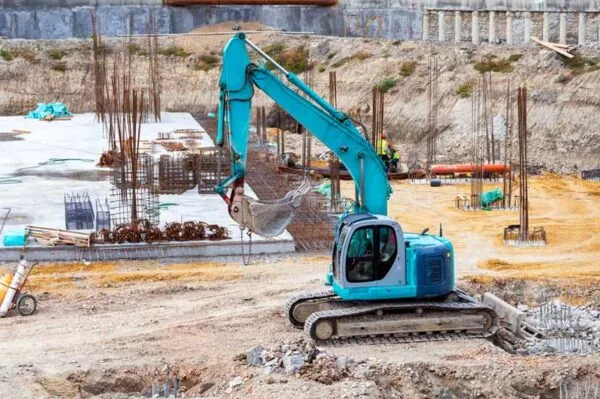
A 1.2T Mini Excavator can support many projects as long as the task remains within the machine’s weight, hydraulic, digging, and lifting limits.
Residential Landscaping
Residential work is one of the most suitable applications for this machine class.
Typical projects include:
- Garden renovation
- Soil removal
- Small pond excavation
- Drainage installation
- Tree and shrub planting
- Root removal
- Patio preparation
- Retaining-wall preparation
- Decorative stone placement
- Yard leveling
Working Around Existing Features
The compact structure allows the operator to work around fences, pathways, plants, garages, pools, and walls.
This can reduce the amount of preparation and restoration required before and after excavation.
Agricultural Projects
Small farms and rural properties can use a compact excavator for routine maintenance and land-improvement work.
Common agricultural applications include:
- Irrigation trenches
- Drainage channels
- Fence installation
- Post-hole preparation
- Ditch cleaning
- Greenhouse work
- Small land-clearing jobs
- Animal shelter foundations
- Pipeline maintenance
- Tree planting
Greenhouse Access
A lightweight excavator can be valuable inside or around greenhouses where access width and turning space are limited.
Before entering, buyers should check machine width, height, tail swing, ground strength, and ventilation requirements.
Utility Installation
A 1.2T Mini Excavator can support shallow cable, pipe, drainage, and fiber-optic installation.
Its compact dimensions are useful in residential streets, gardens, commercial properties, and other areas where minimizing disruption is important.
Locate Utilities Before Digging
In the United States, the national 811 before-you-dig service allows project owners and contractors to request that buried utilities be marked before excavation begins.
811 advises contacting the relevant state center before any digging project, including landscaping, fencing, and planting work.
Interior Renovation
Some compact excavators can be used for controlled interior demolition or excavation when building access, ventilation, floor loading, machine dimensions, and engine type have been properly evaluated.
Applications may include:
- Breaking small concrete areas
- Removing floor material
- Digging inside large industrial buildings
- Clearing renovation debris
- Preparing indoor foundations
Floor Load Capacity
The machine’s total load is concentrated through the tracks. A structural professional should evaluate whether the floor can safely support the equipment.
Ventilation and exhaust requirements must also be considered when operating combustion-engine machinery indoors.
Property and Ground Maintenance
Landowners can use a 1.2T Mini Excavator for recurring maintenance rather than hiring equipment for every small project.
This is most practical when the machine will be used regularly for drainage, landscaping, fencing, ditch maintenance, material handling, and property improvements.
1.2T Mini Excavator vs Manual Digging
Manual digging may appear suitable for small projects, but repetitive excavation can require significant time and physical effort.
A compact excavator can complete digging, loading, grading, and backfilling with fewer workers.
| Factor | Manual Digging | 1.2T Mini Excavator |
| Initial preparation | Simple | Requires transport and inspection |
| Digging speed | Slow on larger volumes | Faster for repetitive excavation |
| Labor requirement | Higher | Lower |
| Precision | Good for very delicate work | Good with an experienced operator |
| Material loading | Physically demanding | Mechanized |
| Trench consistency | Depends on workers | More repeatable |
| Hard soil performance | Limited | Better with correct bucket |
| Multi-function use | Low | High with attachments |
Labor Reduction
The machine does not eliminate the need for workers. Manual checking, utility exposure, grading, cleaning, and project finishing may still be necessary.
However, it can reduce the amount of heavy repetitive digging required.
Project Consistency
Hydraulic controls allow the operator to repeat similar digging cycles and maintain a more consistent trench profile.
This is useful for irrigation, drainage, cable installation, and small foundation work.
When Manual Digging Is Still Better
Manual methods may remain preferable:
- Immediately beside marked utilities
- In extremely narrow spaces
- On delicate finished surfaces
- For very small holes
- Where machine access is impossible
- Where noise or emissions are restricted
1.2T Mini Excavator vs Larger Machines
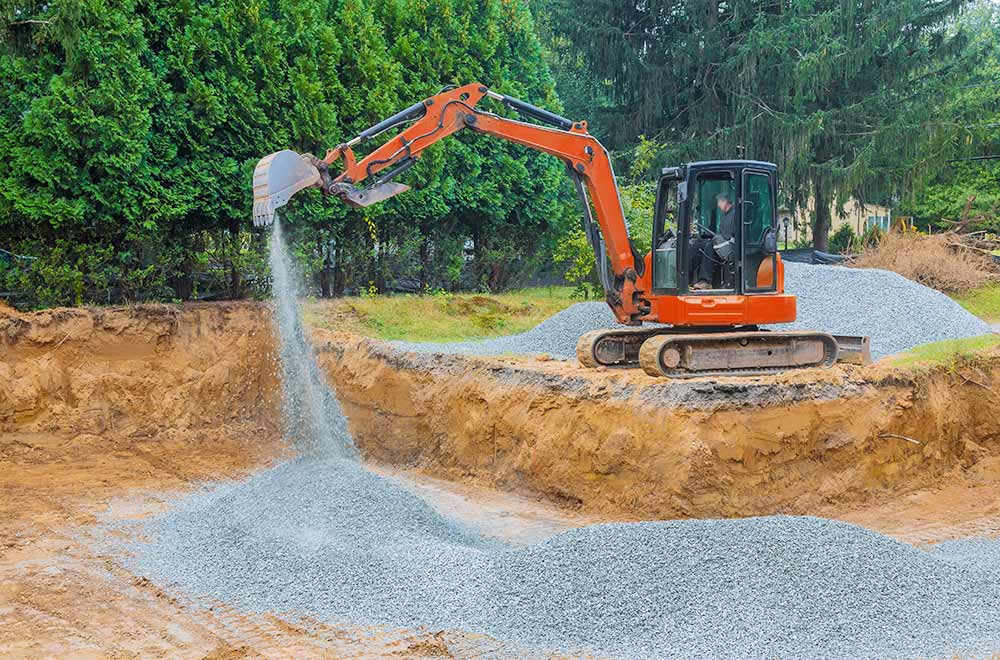
A larger excavator can provide more bucket capacity, digging depth, lifting ability, and stability. However, it also requires more access space and transport capacity.
Advantages of the 1.2-Ton Class
The smaller machine is generally better when:
- Access is restricted
- Projects are short
- Transport occurs frequently
- Ground disturbance must be limited
- Digging volume is moderate
- Storage space is limited
- Precision is more important than maximum output
Advantages of a Larger Machine
A heavier model may be better when:
- Excavation volume is high
- Soil is difficult
- Larger attachments are needed
- Projects require deeper trenches
- Material loading is frequent
- Longer daily shifts are expected
- Greater machine stability is required
Avoid Buying by Tonnage Alone
Two excavators in the same weight class can have different engines, hydraulics, bucket sizes, track dimensions, working ranges, and attachment capabilities.
Compare written specifications rather than relying only on model names.
The HardDig Mini Excavator 16 weighs 1,795 kg and has a 0.04 m³ bucket and 1,700 mm listed digging depth, making it a useful next-step model for buyers who need more bucket capacity and machine stability.
Which Attachments Work with a 1.2T Mini Excavator?
Attachments expand the range of jobs a compact excavator can perform.
Compatibility must be checked using attachment weight, hydraulic flow, pressure, pin dimensions, machine stability, and intended application.
Digging Bucket
The standard digging bucket is suitable for general soil excavation, trenching, and loading.
Bucket width should match the trench specification and ground conditions.
Narrow Trenching Bucket
A narrow bucket reduces the amount of soil removed when installing irrigation pipes, cables, or drainage lines.
It can also improve penetration in compacted material.
Grading Bucket
A grading bucket is wider and normally does not require aggressive teeth.
It is used for leveling, backfilling, ditch shaping, and surface finishing.
Hydraulic Breaker
A breaker can support concrete removal, light demolition, and rock-breaking work.
Hydraulic Requirements
The breaker must match the machine’s hydraulic pressure and flow. An attachment that is too heavy can reduce stability and increase stress on the boom, arm, and undercarriage.
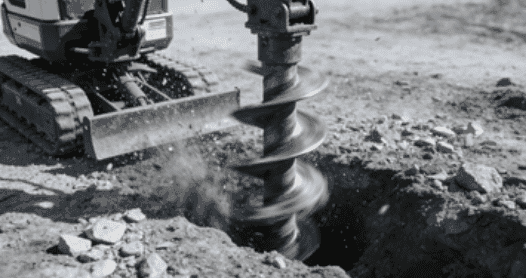
Auger
An auger is useful for fencing, planting, posts, signs, and small foundation holes.
Soil type, drilling diameter, drilling depth, and hydraulic demand determine whether the attachment is suitable.
Ripper
A ripper concentrates digging force at one point and can help loosen compacted soil, roots, and hard ground.
It may be more efficient than repeatedly using a wide bucket in resistant material.
Grapple or Thumb
A grapple or hydraulic thumb can assist with branches, stones, debris, timber, and irregular materials.
Stability During Material Handling
Material-handling capacity changes with boom position, working radius, slope, attachment weight, and machine orientation.
Operators should follow the manufacturer’s operating limits rather than estimating lifting capacity.
Transporting a 1.2T Mini Excavator
Transport planning should be completed before the machine is ordered.
Complete Transport Weight
The total transported weight may include:
- Excavator
- Standard bucket
- Additional attachments
- Quick coupler
- Fuel
- Tools
- Spare parts
- Tie-down equipment
- Trailer
A trailer with a payload rating close to the machine weight may not have enough capacity once attachments and accessories are added.
Loading Angle
Trailer ramps should provide adequate traction and a suitable loading angle.
The operator should load slowly, align the tracks correctly, and follow the trailer and machine manufacturers’ procedures.
Securement
The excavator must be secured using appropriate rated tie-down equipment.
The boom, bucket, upper structure, and undercarriage should be positioned according to applicable transport regulations.
International Shipping
Overseas buyers should request:
- Packed dimensions
- Shipping weight
- Loading photos
- Container plan
- Machine quantity per container
- Removable component list
- Loading and unloading instructions
- Export documentation
- Spare-parts package
HardDig states that its construction machinery can be configured for different destination-market requirements and that products undergo inspection and performance checks before shipment.
Safety Considerations Before Operation
A compact machine is easier to position, but it still presents serious excavation, rollover, collision, and underground utility risks.
Daily Inspection
Before operation, inspect:
- Hydraulic hoses
- Fluid levels
- Track condition
- Bucket pins
- Attachment locking
- Warning devices
- Controls
- Seat restraint
- Engine compartment
- Leaks
- Loose fasteners
Trench Safety
OSHA identifies cave-ins as the greatest risk in trenching work. Its guidance also emphasizes safe access, protective systems, competent-person inspections, controlling standing water, and keeping equipment and excavated materials away from trench edges.
A 1.2T Mini Excavator should not be positioned too close to an unsupported excavation edge.
Spoil Placement
Excavated soil can add pressure to trench walls. OSHA guidance recommends keeping spoils and other materials at least two feet from trench edges in applicable work situations.
Slope Operation
Working across slopes can increase rollover risk.
Where possible, travel and work up or down a slope rather than across it. Follow the manufacturer’s limits for slope angle, attachment position, and machine orientation.
Operator Training
Compact dimensions do not make an excavator automatically safe for inexperienced users.
Operators should understand controls, blind spots, lifting limits, attachment changes, safe travel, emergency shutdown, and jobsite communication.
How to Evaluate a 1.2T Mini Excavator Supplier
The machine is only one part of the purchase. Supplier support influences delivery, setup, spare parts, maintenance, and long-term ownership.
Confirm the Exact Configuration
The quotation should clearly state:
- Model
- Operating weight
- Shipping weight
- Engine brand and model
- Fuel type
- Rated power
- Bucket capacity
- Digging depth
- Hydraulic specifications
- Track width
- Included attachments
- Optional attachments
- Warranty
- Documentation
- Packing method
Request Inspection Information
Ask whether the supplier checks:
- Engine starting
- Hydraulic response
- Boom and bucket movement
- Swing operation
- Track travel
- Fluid leakage
- Fasteners
- Electrical system
- Warning devices
- Paint and structural condition
Spare-Parts Support
Confirm the availability of:
- Filters
- Seals
- Hoses
- Track components
- Bucket pins
- Bushings
- Electrical parts
- Engine service parts
- Hydraulic components
Starter Spare-Parts Package
International buyers may benefit from ordering a basic maintenance package with the machine.
This can reduce delays caused by international shipping when filters, seals, or common wear parts need replacement.
Product Range
A supplier with several excavator sizes can help buyers compare the 1.2-ton class with heavier alternatives.
HardDig’s product catalog includes multiple compact excavator models, while its mini excavator blog covers weight selection, brands, purchasing, factory supply, and market trends.
Common Buying Mistakes
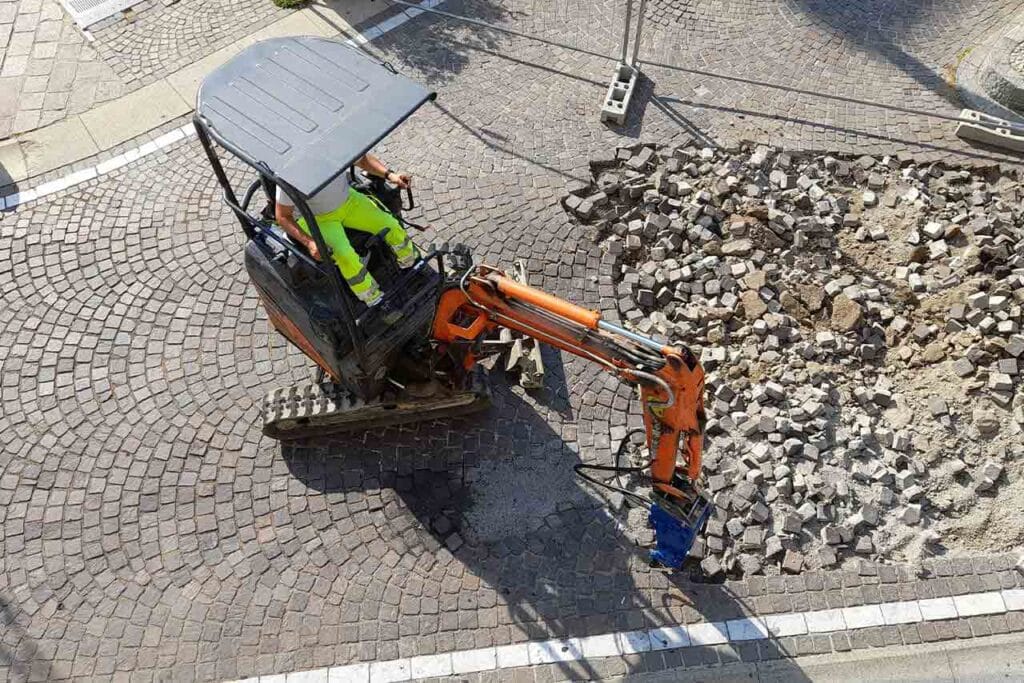
Selecting Only by Purchase Price
The lowest quoted price may exclude attachments, spare parts, engine upgrades, export documents, packaging, or shipping support.
Compare complete delivered configurations.
Ignoring Access Width
A machine may appear compact but still be too wide or tall for the intended entrance.
Measure gates, doors, paths, overhead obstacles, and working space before ordering.
Choosing the Wrong Bucket
A general-purpose bucket may not be suitable for every project.
Select bucket width and teeth according to trench dimensions, soil, and desired finish.
Overestimating Lifting Ability
A compact excavator is primarily a digging machine.
Lifting capacity changes according to reach, height, attachment, machine orientation, and ground conditions.
Forgetting Local Compliance
Engine emissions, safety structures, road transport, import documentation, and operator requirements vary by country.
Confirm destination-market requirements before production and shipment.
Buying Without Maintenance Planning
Even a reliable 1.2T Mini Excavator requires routine inspection, lubrication, filter replacement, track adjustment, and hydraulic care.
A machine without available service parts can experience unnecessary downtime.
Is a 1.2T Mini Excavator Right for You?
A 1.2T Mini Excavator is likely to be a suitable choice when most of the following conditions apply:
- Your projects are in gardens, farms, residential sites, or narrow areas
- Required digging depth is within the machine’s working range
- You transport equipment frequently
- You need several attachments
- Surface protection is important
- Excavation volume is moderate
- You have limited equipment storage
- A larger excavator would be difficult to position
- You want to reduce repetitive manual digging
- You need a compact machine for recurring maintenance
A larger model may be more appropriate when your normal work involves deep trenches, large material volumes, heavy attachments, difficult soil, frequent lifting, or long daily operating cycles.
Conclusion
A 1.2T Mini Excavator is a practical investment for buyers who need compact access, useful digging performance, easy transportation, and multi-purpose operation.
Its strongest applications include landscaping, drainage, irrigation, fencing, property maintenance, utility installation, greenhouse work, and small construction projects. With the correct bucket or attachment, the same machine can dig, grade, drill, loosen soil, handle debris, and prepare sites.
The HardDig 12U provides a 1,200 kg operating weight, 0.024 m³ bucket, 1,620 mm maximum digging depth, multiple engine options, rubber tracks, two-speed travel, and pilot hydraulic controls. These features make it suitable for buyers who need a compact machine without moving into a heavier excavator category.
The final decision should be based on project depth, soil type, site access, transport capacity, attachment requirements, local regulations, spare-parts availability, and expected operating hours.
Buyers can review the HardDig 1.2T Mini Excavator 12U or submit project and configuration details through the HardDig contact page.
FAQ
What can a 1.2T Mini Excavator do?
It can complete landscaping, trenching, irrigation, drainage, planting, fencing, small foundation preparation, ditch cleaning, property maintenance, and light utility work. Its capabilities depend on soil, bucket type, attachment, and project depth.
How deep can a 1.2-ton mini excavator dig?
The HardDig 12U has a listed maximum digging depth of 1,620 mm. Practical working depth may vary according to ground conditions, bucket geometry, machine position, and required working margin.
Is a 1.2T Mini Excavator suitable for home use?
Yes. It can be suitable for gardens, drainage, pools, planting, landscaping, and property improvements. Buyers should still evaluate operator training, machine storage, transport, maintenance, and local regulations.
Can a 1.2T Mini Excavator dig hard soil?
It can work in moderately compacted soil when equipped with the correct toothed bucket or ripper. Very rocky ground, reinforced concrete, or demanding excavation may require a hydraulic breaker or larger machine.
Is a 1.2-ton excavator easy to transport?
It is easier to transport than heavier excavators, but the towing vehicle and trailer must support the complete transported weight. Attachments, fuel, tools, and the trailer itself must be included in the calculation.
Can it pass through a garden gate?
That depends on the machine’s exact overall width and the gate opening. Measure the narrowest access point before ordering and allow clearance for safe movement.
Which engine is best for a 1.2T Mini Excavator?
The best engine depends on destination-market emissions requirements, fuel preference, spare-parts access, service support, and expected workload. The HardDig 12U lists YouPu, KOOP, and Briggs & Stratton options.
Can a 1.2T Mini Excavator use a hydraulic breaker?
Yes, when the breaker is compatible with the machine’s hydraulic flow, pressure, weight, and mounting dimensions. Compatibility should be confirmed by the supplier.
Is a cab or canopy better?
A canopy provides open access and may reduce machine height. A cab provides better protection from weather, dust, and temperature extremes but can add weight, height, and cost.
How often should a mini excavator be serviced?
Service intervals depend on the engine, hydraulic system, working environment, and manufacturer’s recommendations. Daily inspections should be combined with scheduled oil, filter, lubrication, track, and hydraulic maintenance.
Is a 1.2T Mini Excavator better than renting?
Ownership may be more practical when the machine is used regularly across many projects. Renting may be better for occasional work or when different machine sizes are required for each project.
What should I ask before ordering from overseas?
Confirm the exact engine, operating weight, shipping weight, dimensions, bucket, attachments, hydraulic specifications, compliance documents, warranty, spare parts, packing method, shipping terms, and after-sales support.
Thank you for taking the time to read our guide on excavators. We hope the insights and tips shared here help you make smarter choices for your construction projects.
For more expert advice, updates, and discussions on heavy machinery, follow our Facebook page and stay connected with our community.