Before choosing a compact excavator, consider these key points:
- Mini excavators generally range from under 1 ton to about 10 tons.
- Operating weight is more useful than shipping weight when comparing machines.
- A heavier model usually provides greater stability, digging force, and lifting capability.
- A lighter machine is easier to transport and causes less damage to lawns or finished surfaces.
- Buckets, hydraulic attachments, cabs, counterweights, and fuel can increase total weight.
- Trailer payload, towing capacity, ground conditions, and site access should be checked before purchase.
- The best machine is not necessarily the heaviest—it is the lightest model that can safely complete the required work.
Table of Contents
What Does Mini Excavator Weight Mean?
Mini excavator weight usually refers to the total mass of the machine, but manufacturers may use several different weight terms. Understanding these terms prevents buyers from comparing specifications that do not measure the same thing.
Operating Weight
Operating weight is the weight of a machine in working condition. It commonly includes standard equipment, necessary fluids, fuel, and an operator, although the exact definition can vary between manufacturers.
This is normally the most useful figure for evaluating stability, ground pressure, lifting performance, and job-site suitability. Ask the supplier what is included before comparing two machines.
Shipping Weight
Shipping weight is generally lower because it may exclude the operator, fuel, bucket, attachments, or removable accessories. It is mainly used for logistics calculations rather than performance comparisons.
Why Shipping Weight Still Matters
Importers need shipping weight to estimate freight costs, container loading, and handling requirements. However, it should not be used alone to select a trailer or evaluate how the machine will perform on site.
Gross Machine Weight
Gross machine weight describes the excavator after optional equipment or attachments have been installed. A hydraulic breaker, auger, larger bucket, cab, or additional counterweight can make the working machine considerably heavier than its basic specification.
Mini Excavator Weight Chart by Size Class
The following mini excavator weight chart provides general planning ranges. Exact specifications vary by manufacturer, configuration, engine, undercarriage, and attachment.
| Size class | Approximate operating weight | Common applications | Main buyer consideration |
|---|---|---|---|
| Micro | 0.8–1.2 tons | Indoor renovation, garden work, narrow access | Easy transport and compact dimensions |
| Very small | 1.2–2 tons | Landscaping, drainage, residential trenching | Balance between portability and digging ability |
| Small | 2–3.5 tons | Utility work, foundations, property maintenance | Stronger performance without excessive site impact |
| Medium mini | 3.5–5 tons | Commercial construction, road maintenance, deeper trenches | Higher stability and attachment capacity |
| Large mini | 5–8 tons | Infrastructure, heavy utilities, land development | Greater reach, lifting capacity, and digging force |
| Upper compact class | 8–10 tons | Large construction and demanding excavation | Transport cost and site-access limitations |
These ranges are not universal industry standards. Some manufacturers classify machines differently, so compare the actual operating weight and technical specifications rather than relying only on model names.
How Much Does a Mini Excavator Weigh?
A compact model can weigh less than 1,000 kg, while a large mini excavator may approach 10,000 kg. Many machines used for landscaping and small construction projects fall within the 1.5-to-5-ton range.
According to the Bobcat compact excavator buyer’s guide, compact excavators are commonly categorized by operating weight. Machine size and weight also influence stability, lifting capacity, and the amount of counterweight required.
Under 2 Tons: Mobility First
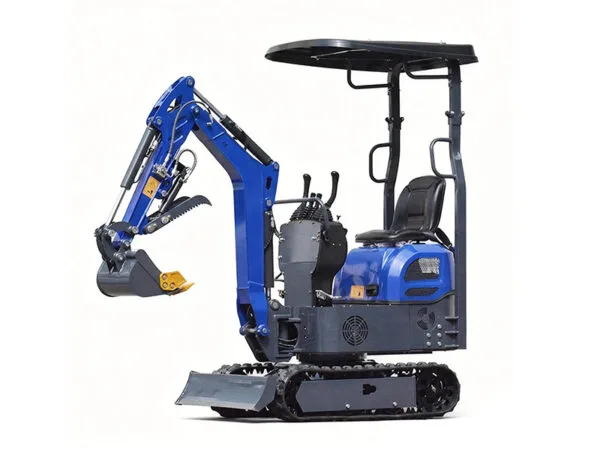
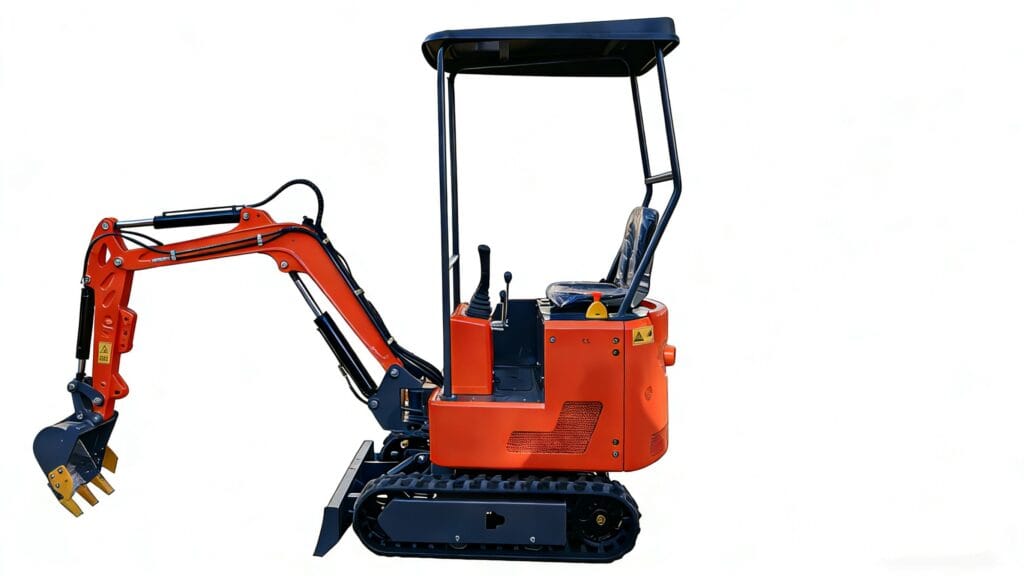
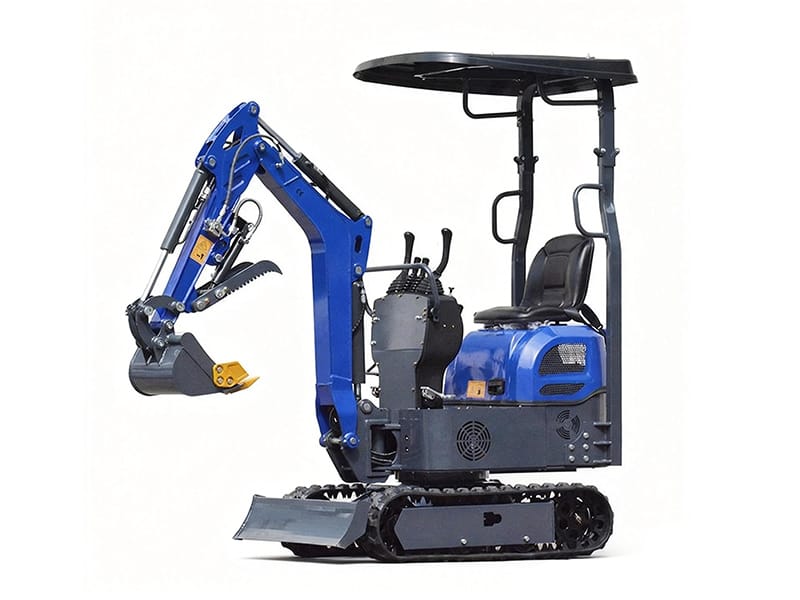
Machines below 2 tons are designed for restricted access and lighter excavation. They are useful for gardens, interior work, small utility trenches, and sites where larger equipment cannot enter.
Their lower mini excavator weight makes transportation easier, but digging depth and lifting capacity are more limited.
2 to 5 Tons: The Versatile Range
This range provides a practical balance of transportability, stability, and productivity. It is commonly considered for landscaping companies, utility contractors, rental businesses, farms, and general construction teams.
Many buyers start in this category because these machines can use several attachments without becoming unnecessarily large.
5 to 10 Tons: More Stability and Output
Heavier compact excavators are suitable for deeper excavation, larger buckets, heavier lifting, and longer working cycles. They are more stable, especially when working with demanding attachments.
However, transport equipment, fuel consumption, ground pressure, and access width become more important as weight increases.
What Changes the Actual Mini Excavator Weight?
Two machines in the same advertised tonnage class may have different operating weights. Configuration choices can change both the total mass and the distribution of that weight.
Cab Versus Canopy
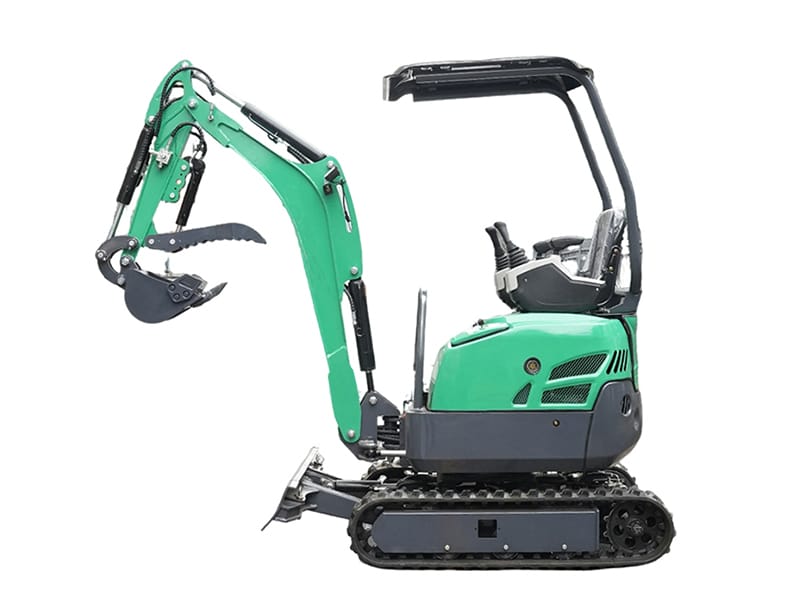
An enclosed cab adds glass, doors, air conditioning components, structural material, and interior equipment. It improves operator comfort and weather protection but normally weighs more than an open canopy.
Standard Versus Long Arm
A long-arm configuration increases digging depth and reach. Because the longer structure changes the machine’s balance, it may require extra counterweight.
Check More Than Reach
A longer arm does not automatically mean better overall performance. Buyers should also compare breakout force, lifting charts, hydraulic flow, and stability at maximum reach.
Fixed Versus Retractable Undercarriage
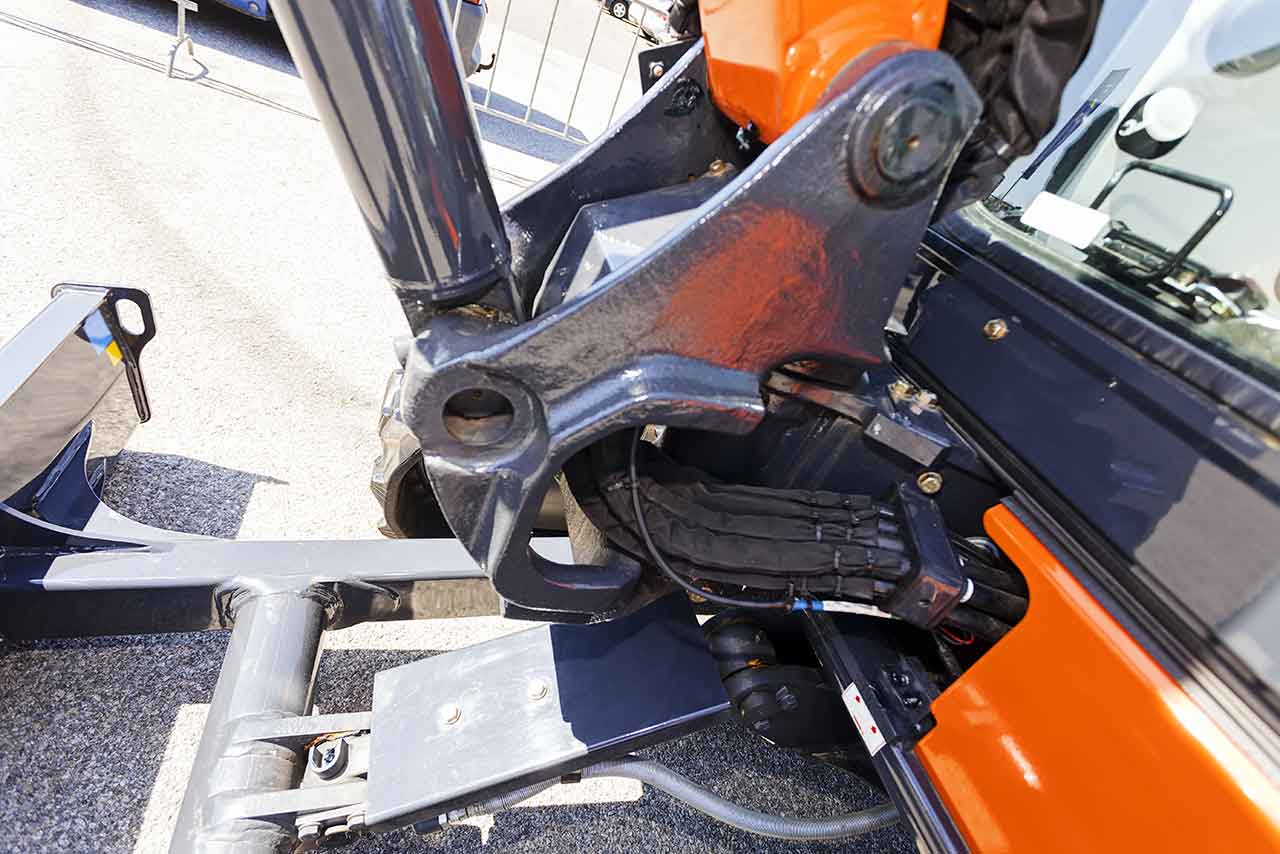
A retractable undercarriage allows the tracks to narrow for passing through restricted entrances and widen for working stability. The adjustment mechanism may add weight but provides greater flexibility on compact sites.
HardDig offers compact configurations suited to narrow areas and different construction tasks. Buyers can review the available mini excavator product range before choosing a suitable weight class.
Attachments and Quick Couplers
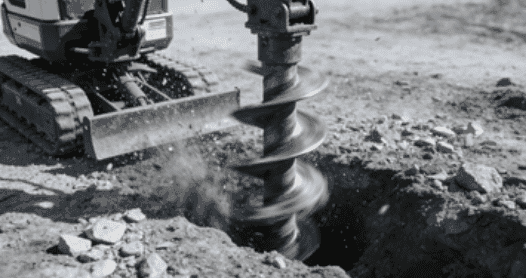
Hydraulic breakers, augers, grapples, tilt buckets, and quick couplers add weight to the front of the excavator. This affects transport weight, balance, lifting capacity, and hydraulic requirements.
Always calculate the machine and installed attachment as one working system.
Tracks and Counterweights
Steel tracks generally weigh more than rubber tracks but may offer better durability on abrasive terrain. Additional counterweights can improve lifting stability, although they may increase tail swing and transportation weight.
Light vs Heavy Mini Excavators
Choosing between a lighter and heavier model depends on the job, not simply on which machine has the highest specifications.
| Comparison point | Lighter mini excavator | Heavier mini excavator |
|---|---|---|
| Transportation | Easier and generally less expensive | Requires higher trailer and towing capacity |
| Ground impact | Better for lawns and finished surfaces | Greater risk of surface damage or sinking |
| Stability | More sensitive to heavy or extended loads | Generally more stable during digging and lifting |
| Digging performance | Suitable for light and moderate work | Better for hard ground and larger excavation |
| Restricted access | Easier to maneuver through narrow spaces | May face width, height, or turning limitations |
| Attachment use | Best with smaller attachments | Better suited to heavier hydraulic tools |
| Purchase cost | Usually lower | Usually higher |
| Productivity | Efficient on small, precise jobs | Higher output on demanding projects |
When Is a Lighter Machine Better?
Choose a lighter model when transportation flexibility, narrow access, low ground disturbance, and precise work are priorities. It can be a better investment for residential landscaping, farms, indoor projects, and light utility work.
When Is a Heavier Machine Worth It?
A heavier unit becomes worthwhile when the project requires deeper digging, larger buckets, stronger lifting performance, or frequent use of hydraulic attachments. It may complete demanding work faster and with better stability.
How Weight Affects Digging and Lifting
Machine weight contributes to stability, but it does not determine performance by itself. Hydraulic pressure, boom geometry, track width, counterweight, bucket size, and working radius also matter.
Digging Force
Heavier machines usually have larger hydraulic systems and stronger structures. This often results in greater bucket and arm digging forces, particularly in compacted soil.
Lifting Capacity
A stable undercarriage helps the excavator resist tipping. However, lifting capacity changes depending on whether the load is positioned over the front or side and how far the boom is extended.
Never Estimate Safe Lifting Capacity
Do not assume that a 3-ton machine can safely lift a load weighing 3 tons. Use the manufacturer’s lifting chart for the exact configuration and working radius.
Ground Pressure
A heavier machine does not always produce proportionally higher ground pressure. Wider or longer tracks spread the load over a larger contact area, which can improve performance on soft ground.
Ask for both operating weight and ground-pressure specifications if the machine will work on lawns, wetlands, sand, or loose soil.
Mini Excavator Weight and Transportation
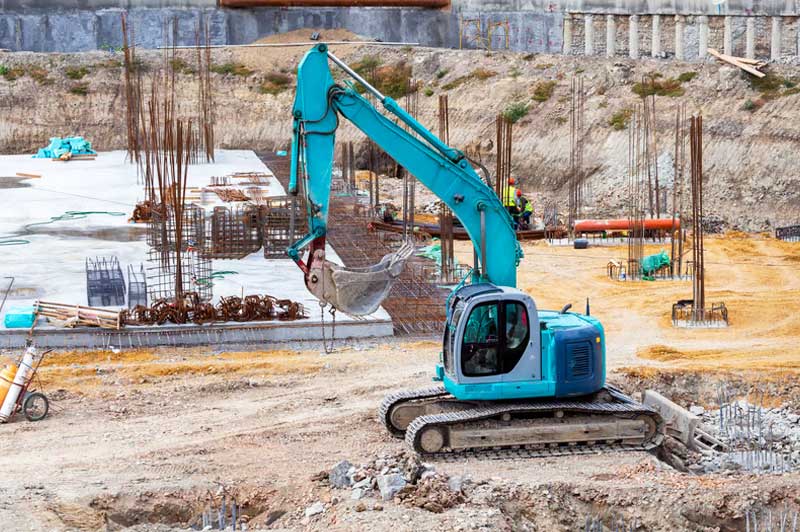
Transportation is one of the most important purchasing considerations. The total transported load includes the excavator, attachment, fuel, spare buckets, chains, tools, and other equipment placed on the trailer.
Calculate the Complete Load
Do not select a trailer based only on the excavator’s advertised weight. Trailer payload is different from gross vehicle weight rating because the trailer itself also has weight.
A basic calculation is:
Required payload = operating machine weight + attachments + accessories + loading allowance
Check the Complete Vehicle Combination
Confirm the towing vehicle’s rated capacity, the trailer’s payload, axle ratings, tire ratings, brakes, and local licensing requirements. Regulations vary by country and region, so buyers should consult the appropriate transport authority.
The U.S. Federal Motor Carrier Safety Administration cargo securement rules provide requirements for securing heavy vehicles, equipment, and machinery during road transportation. Local rules may impose additional restrictions.
Container Shipping for Overseas Buyers
For international orders, weight is only one part of the logistics plan. Machine width, height, length, removable components, packing method, and container door clearance must also be considered.
HardDig provides export-oriented equipment and logistics support. Buyers can contact the HardDig team to confirm machine configuration, packing dimensions, shipping weight, and delivery requirements.
How to Choose the Right Weight Class
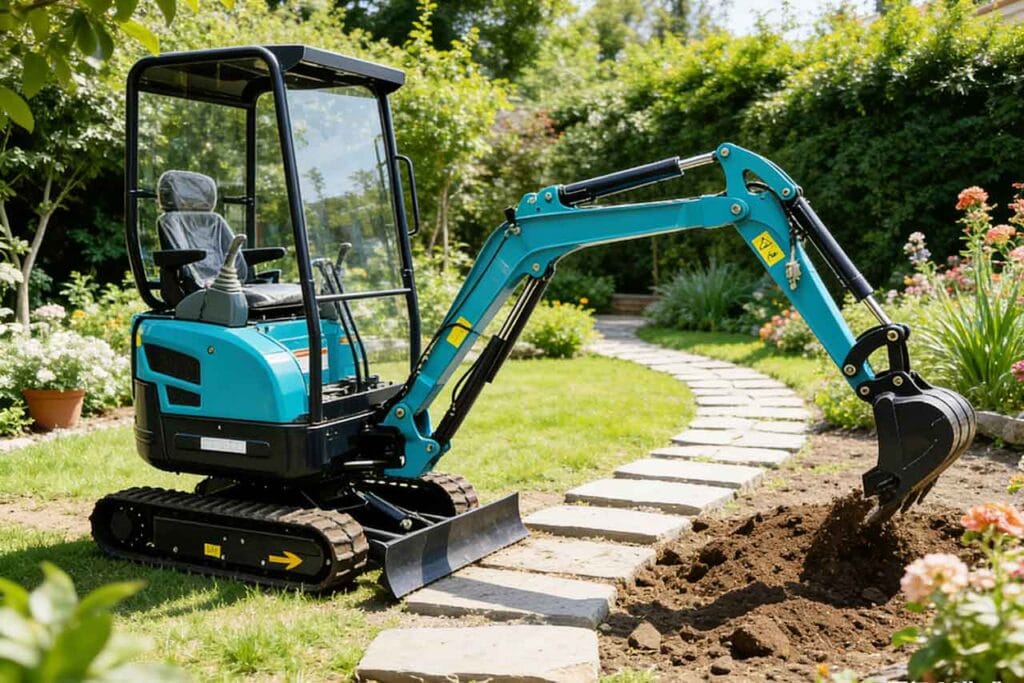
A useful buying process starts with the project rather than the excavator model.
Step 1: Define the Main Work
List the expected trench depth, soil conditions, material weight, bucket size, lifting tasks, and working hours. Select a machine that can handle the normal workload rather than an unusual one-time task.
Step 2: Measure Site Access
Record gate width, doorway height, turning area, overhead obstacles, and available working space. A powerful machine has little value if it cannot reach the excavation area.
Step 3: Evaluate the Ground
Finished pavement, lawns, wet soil, and suspended floors may have strict load limitations. Consider total machine weight, track material, track width, and ground pressure.
Step 4: Confirm Transport Capacity
Calculate the complete loaded combination before purchasing. If the current truck or trailer cannot legally carry the machine, transport costs may change the overall buying decision.
Step 5: Compare Complete Specifications
Compare operating weight together with digging depth, dumping height, engine power, hydraulic flow, bucket capacity, tail-swing design, and undercarriage width.
For example, HardDig’s 3.8-ton-class mini excavator lists a 3,875 kg operating weight, 0.12 m³ bucket capacity, and a maximum digging depth of 2,950 mm. Reviewing these specifications together gives buyers a clearer picture than weight alone.
Common Mini Excavator Weight Buying Mistakes
Comparing Model Numbers Instead of Specifications
A number in a model name does not always represent exact machine weight. Obtain a complete technical sheet for the configuration being quoted.
Ignoring Attachment Weight
Attachments can affect both transportation and stability. Ask the supplier to calculate the working weight with the bucket, coupler, breaker, or auger you plan to use.
Buying Too Small to Save Money
An undersized excavator may require more cycles, struggle in hard ground, or operate near its performance limit. Lower purchase cost does not always mean lower project cost.
Buying Too Heavy for Occasional Tasks
A larger machine may increase freight, fuel, storage, and site-restoration expenses. Choose additional weight only when it delivers practical value for regular work.
Final Buying Advice
A mini excavator weight chart is a useful starting point, but weight should never be considered in isolation. The right machine must fit the site, complete the required work, support the intended attachments, and remain practical to transport.
Before ordering, request a configuration-specific technical sheet and confirm whether the quoted figure represents operating or shipping weight. Buyers who need help comparing compact equipment can explore HardDig mini excavators or submit project requirements through the company’s contact page.
FAQ
What is the average weight of a mini excavator?
There is no single average because compact excavators cover several size classes. Many commonly purchased units weigh between approximately 1.5 and 5 tons, while specialized models may fall below or above that range.
Can I tow a mini excavator with a pickup truck?
It depends on the loaded trailer weight, vehicle ratings, hitch, brakes, local laws, and driver licensing requirements. Do not rely on engine power or advertised towing capacity alone; verify every component of the combination.
Does operating weight include the bucket?
It often includes a standard bucket, fluids, fuel, and an operator, but definitions vary. Request written confirmation from the manufacturer or supplier.
Why does my excavator weigh more than the specification sheet says?
The listed figure may exclude optional attachments, a quick coupler, cab equipment, counterweights, fuel, or additional buckets. It may also be a shipping weight rather than an operating figure.
Is a heavier mini excavator always more powerful?
Not necessarily. Weight can improve stability, but hydraulic output, engine power, boom geometry, bucket force, and attachment compatibility also influence performance.
What weight mini excavator is best for landscaping?
Machines in the 1-to-3.5-ton range are often suitable for residential landscaping because they combine compact access with practical digging ability. The best choice still depends on soil conditions, trench depth, surface sensitivity, and transportation.
What size mini excavator do I need for foundation work?
Light residential foundations may be handled by a 2-to-5-ton machine, while deeper or larger foundations may require a heavier model. Compare digging depth, bucket capacity, lifting needs, access, and soil type before selecting.
How do I ask a supplier about excavator weight?
Ask for operating weight, shipping weight, attachment weight, overall transport dimensions, ground pressure, and the exact items included in each figure. This makes quotations easier to compare and reduces logistics surprises.
Thank you for taking the time to read our guide on excavators. We hope the insights and tips shared here help you make smarter choices for your construction projects.
For more expert advice, updates, and discussions on heavy machinery, follow our Facebook page and stay connected with our community.