Executive Summary: Why the Mini Excavators Market Is Entering a New Growth Cycle
- Global demand is shifting toward compact, low-emission construction equipment
- Electrification and hybrid power systems are reshaping product design
- Rental-based equipment usage is expanding across developed markets
- Infrastructure investment is driving long-term demand stability
- Smart control systems and automation are improving operational efficiency
- Asia-Pacific remains the dominant production and consumption hub
- Sustainability regulations are accelerating diesel-to-electric transition
- Agriculture and municipal sectors are becoming major growth drivers
Introduction
The mini excavators market is no longer a niche segment of construction machinery. It has evolved into a strategic pillar of global infrastructure development, driven by urbanization, smart city construction, and agricultural modernization.
Industry reports indicate that compact excavators now account for a significant share of global earthmoving equipment sales, especially in urban projects where space constraints limit the use of full-size machines.
In 2026, the market is shaped by three major forces:
- Electrification of construction equipment
- Cost optimization in small-to-medium contractors
- Rapid infrastructure expansion in developing economies
Table of Contents
Mini Excavators Market Definition and Core Structure
Product Definition and Technical Classification
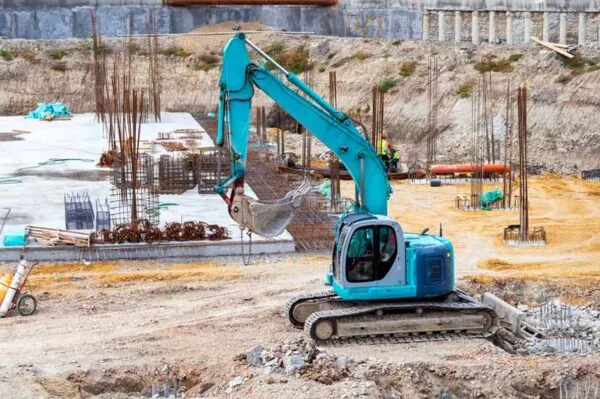
The mini excavators market includes hydraulic excavators typically ranging from 0.8 to 10 tons.
Core Machine Characteristics
- Compact swing radius design
- Hydraulic boom and arm system
- Rubber or steel track mobility
- Multi-attachment compatibility
Functional Capability Overview
Mini excavators are designed for:
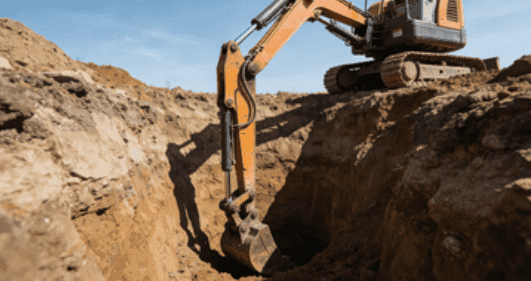
- Trenching and excavation
- Demolition in restricted areas
- Landscaping and grading
- Agricultural land preparation
- Utility installation work
Mini Excavators Market Size and Growth Forecast 2026
Global Market Expansion Concept
Recent industry analysis suggests that the mini excavators market is experiencing stable CAGR growth driven by infrastructure development and urban construction.
Key growth indicators:
- Increasing demand for compact machinery in Asia-Pacific
- Rising rental penetration in Europe and North America
- Expansion of municipal infrastructure projects globally
Market Demand Drivers
Urbanization Pressure Concept
More than half of global construction activity now occurs in urban environments, where compact equipment is essential due to:
- Limited access space
- Noise restrictions
- Emission regulations
Infrastructure Investment Concept
Government-backed infrastructure programs significantly influence demand:
- Road construction
- Utility pipeline installation
- Public housing development
Mini Excavators Market Segmentation Analysis (Expanded)
By Machine Weight Category
| Segment | Weight Range | Application Focus |
|---|---|---|
| Micro Mini Excavators | <1 ton | Indoor renovation, landscaping |
| Small Mini Excavators | 1–3 tons | Residential construction |
| Medium Mini Excavators | 3–6 tons | Infrastructure projects |
| Heavy Mini Mini Excavators | 6–10 tons | Municipal engineering |
By Power System Type
Diesel Engine Segment Concept
Diesel-powered models remain dominant due to:
- High torque output
- Long operating hours
- Heavy-duty capability
Electric Mini Excavator Segment Concept
Electric models are rapidly expanding due to:
- Zero-emission regulations
- Urban construction restrictions
- Lower long-term operating cost
By End-Use Industry
Construction Sector Dominance
Construction accounts for the largest share of the mini excavators market, especially in:
- Residential housing projects
- Commercial buildings
- Road maintenance works
Agriculture Expansion Segment
Agriculture adoption is increasing for:
- Irrigation trenching
- Orchard maintenance
- Land leveling
Municipal Engineering Segment
Municipal usage includes:
- Sewer system installation
- Underground utility works
- Urban landscaping
Regional Analysis of Mini Excavators Market
Asia-Pacific Market Leadership Concept
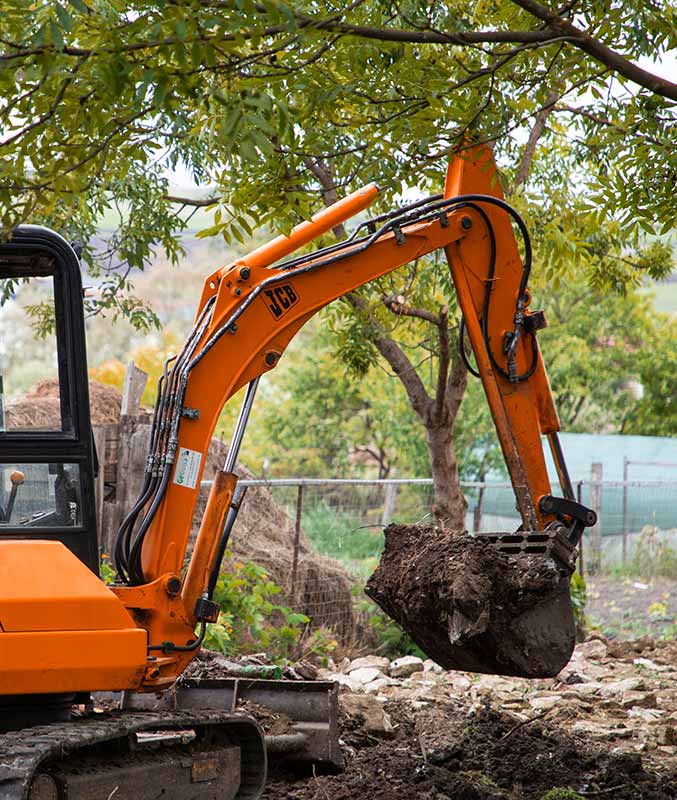
Asia-Pacific dominates global demand due to:
- Large-scale infrastructure projects
- Rapid industrialization in China and India
- Strong domestic manufacturing ecosystem
North America Rental Economy Concept
North America shows strong rental-based adoption:
- Contractors prefer short-term leasing
- High utilization efficiency required
- Strong focus on productivity optimization
Europe Green Transition Concept
European market is driven by:
- Strict emission regulations (Stage V standards)
- Electrification policies
- Sustainable construction initiatives
Mini Excavators Market Technology Evolution
Smart Hydraulic Systems Concept
Modern machines use advanced hydraulic systems that improve precision and efficiency.
Key innovations include:
- Load-sensitive hydraulic control
- Electronic flow regulation
- Automated digging depth control
Automation and Digital Integration
Smart Construction Equipment Concept
The industry is moving toward semi-autonomous systems featuring:
- GPS-based excavation guidance
- Remote operation capability
- Real-time performance monitoring
Mini Excavators Market Cost Structure Analysis
Cost Breakdown Framework
| Cost Component | Share (%) | Description |
|---|---|---|
| Engine System | 25–30% | Diesel or electric power unit |
| Hydraulic System | 20–25% | Core operating mechanism |
| Undercarriage | 15–20% | Tracks and mobility system |
| Electronics | 10–15% | Control systems |
| Assembly & Others | 20% | Manufacturing & logistics |
Lifecycle Cost Concept
Total cost of ownership includes:
- Fuel or electricity consumption
- Maintenance frequency
- Spare parts replacement
- Operator training
Technology Comparison in Mini Excavators Market (Expanded)
Diesel vs Electric Models
| Feature | Diesel Excavators | Electric Excavators |
|---|---|---|
| Emissions | High | Zero |
| Noise Level | High | Very Low |
| Maintenance Cost | Medium | Low |
| Initial Investment | Lower | Higher |
| Operating Cost | Higher | Lower |
Rental vs Ownership Model
Rental Market Concept
Rental demand is increasing due to:
- Reduced capital investment
- Flexible project planning
- Maintenance included in service
Competitive Landscape in Mini Excavators Market
Global Manufacturer Strategy Concept
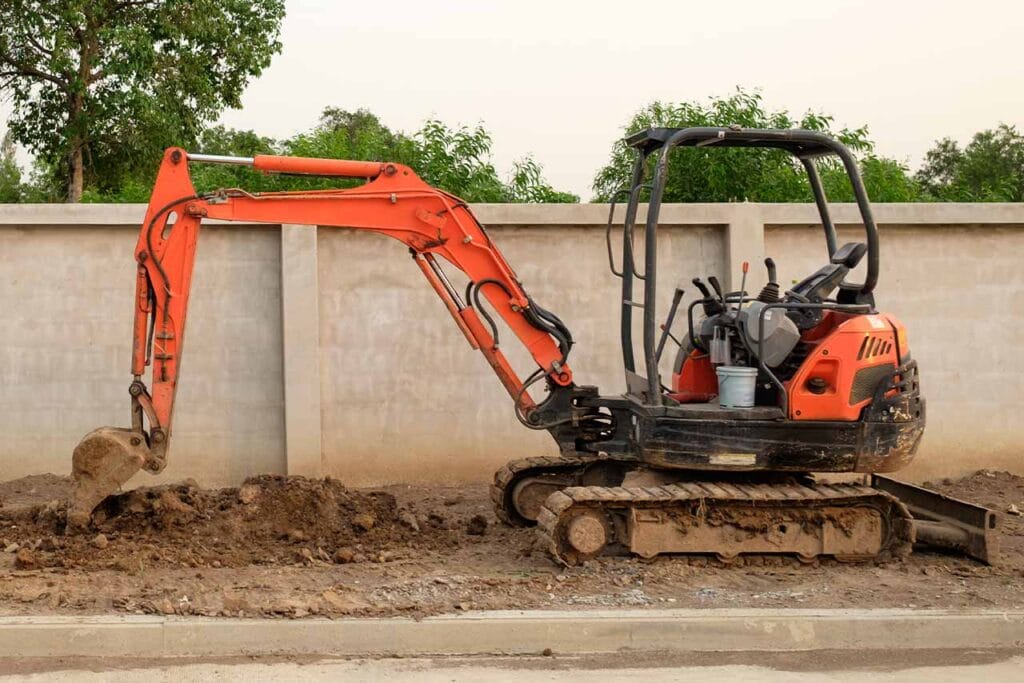
Leading manufacturers focus on:
- Electrification product lines
- Smart control integration
- Global distribution expansion
- Rental ecosystem partnerships
Supply Chain Optimization Concept
Manufacturers are improving:
- Hydraulic component sourcing
- Engine efficiency
- Modular assembly systems
Case Studies in Mini Excavators Market
Urban Construction Project Case
In dense urban redevelopment projects, mini excavators reduced excavation time by approximately 30–40%, especially in confined residential areas.
Agricultural Application Case
In irrigation trenching systems, compact excavators reduced labor requirements by over 50% compared to manual digging methods.
Industry Standards and Compliance Framework
Emission Regulation Standards Concept
Key global standards include:
- EU Stage V emission regulations
- US EPA Tier 4 Final standards
- China Non-road Mobile Machinery regulations
These frameworks strongly influence product design in the mini excavators market.
Future Outlook of Mini Excavators Market
Electrification Acceleration Concept
By 2030, electric mini excavators are expected to represent a significantly larger share of urban construction equipment.
AI and Automation Integration
Future systems will likely include:
- AI-assisted digging optimization
- Autonomous excavation paths
- Predictive maintenance systems
Sustainability Development Concept
The industry is shifting toward:
- Low-carbon manufacturing
- Recyclable components
- Energy-efficient hydraulics
Conclusion
The mini excavators market in 2026 is undergoing structural transformation driven by electrification, automation, and infrastructure expansion. As global construction trends shift toward sustainability and efficiency, compact excavators will remain a critical equipment category across multiple industries.
FAQ
What is driving the mini excavators market growth in 2026?
Infrastructure expansion, urban construction demand, and electrification trends are the primary growth drivers.
Which region dominates the mini excavators market?
Asia-Pacific leads due to large infrastructure investments and strong manufacturing capacity.
Are electric mini excavators replacing diesel models?
Electric models are growing rapidly, but diesel still dominates heavy-duty applications.
What industries use mini excavators the most?
Construction, agriculture, municipal engineering, and landscaping sectors.
What is the future trend of the mini excavators market?
Automation, electrification, and rental-based usage models will define future growth.
Thank you for taking the time to read our guide on excavators. We hope the insights and tips shared here help you make smarter choices for your construction projects.
For more expert advice, updates, and discussions on heavy machinery, follow our Facebook page and stay connected with our community.