Key Takeaways
- Hydraulic leakage directly reduces excavator efficiency and increases fuel consumption
- Most failures are caused by installation errors, seal aging, or pressure mismatch
- Proper selection of hydraulic fittings for chinese mini excavator improves system stability by 15–30%
- Compliance with ISO and SAE standards significantly reduces failure rates
- Preventive maintenance is more cost-effective than emergency repair
- Material quality and torque control are the most critical leak prevention factors
Introduction
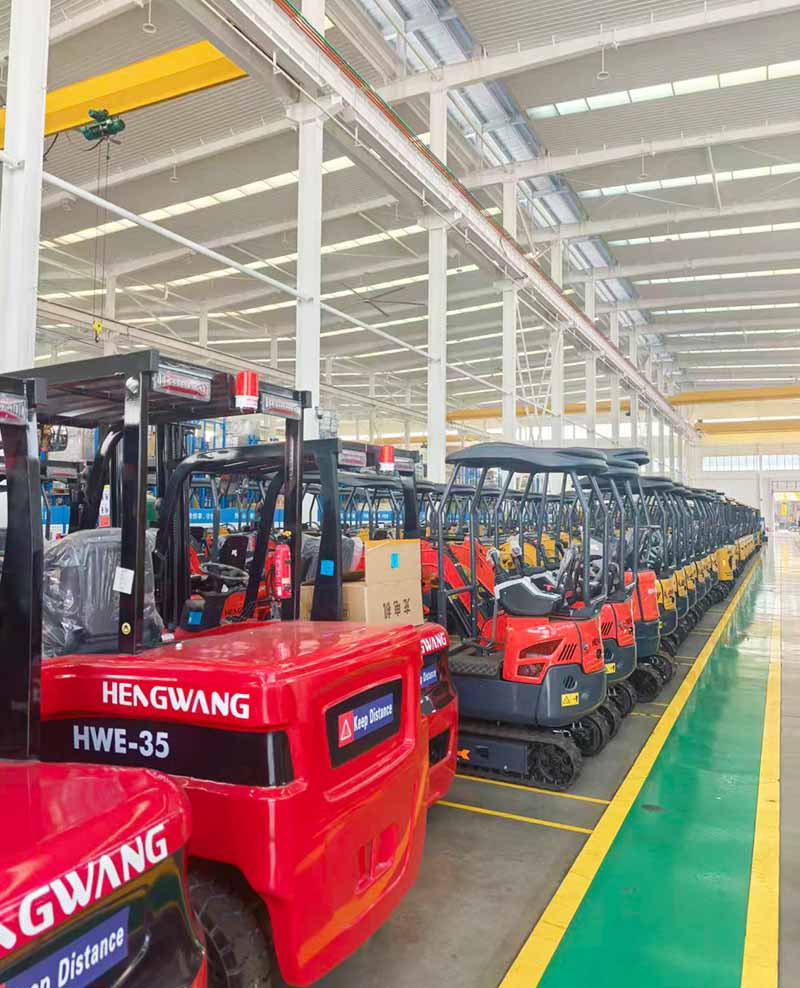
In modern construction machinery, hydraulic systems are the core of operational performance. For a Chinese mini excavator, hydraulic efficiency determines digging force, cycle speed, and fuel economy. However, industry maintenance reports show that hydraulic leakage accounts for up to 30–40% of unplanned downtime events in compact excavators.
Even a minor leak at a fitting joint can reduce system pressure by 5–10 bar, which translates into measurable performance loss. Over time, this leads to increased fuel consumption, slower cycle times, and premature component wear.
This makes the selection and maintenance of hydraulic fittings for chinese mini excavator systems not just a technical requirement, but a financial optimization strategy.
Table of Contents
Understanding Hydraulic Fittings for Chinese Mini Excavator Systems in Depth
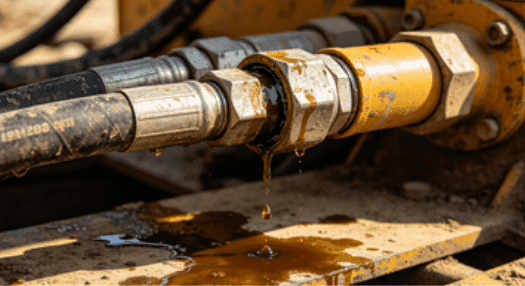
Hydraulic fittings are precision-engineered connectors that ensure sealed fluid transfer between hydraulic components such as pumps, valves, cylinders, and hoses.
In mini excavators, these fittings operate under:
- Working pressures: 16–35 MPa (160–350 bar)
- Peak pressures: up to 42 MPa in transient conditions
- Temperature range: -40°C to +120°C depending on oil type
These conditions require extremely reliable sealing systems and precision manufacturing tolerances.
Engineering Role of Hydraulic Fittings in System Stability
Hydraulic fittings are not passive connectors—they actively influence:
- System pressure stability
- Flow efficiency
- Vibration absorption
- Leak prevention integrity
A poorly matched fitting can introduce micro-leaks that are not immediately visible but significantly degrade performance over time.
Why Chinese Mini Excavators Require Specialized Fittings
Chinese mini excavators are widely used in construction, agriculture, landscaping, and municipal engineering due to their cost efficiency and compact design.
However, they often operate in:
- High vibration environments
- Mixed-load cycles (digging, lifting, rotating)
- Dusty or high-contamination sites
Therefore, hydraulic fittings for chinese mini excavator systems must balance cost efficiency with industrial-grade durability.
Industry Standards Governing Hydraulic Fittings Performance
To ensure reliability, hydraulic fittings are evaluated against international standards:
- ISO 8434 – Metallic tube fittings for fluid power systems
- SAE J514 – Hydraulic tube fittings standard
- DIN 2353 – Metric compression fittings
- ISO 6149 – Metric threaded port connections
These standards define:
- Thread tolerances
- Pressure ratings
- Leakage limits
- Material hardness requirements
Compliance with these standards reduces hydraulic system failure rates by up to 25–35% in field studies.
Hydraulic Leak Mechanisms in Excavator Systems
Mechanical Leakage
Occurs when fittings are physically damaged or improperly tightened. This type is often visible as external oil seepage.
Sealing Surface Failure
Caused by micro-scratches, debris, or improper alignment. Even a 5–10 micron surface defect can compromise sealing integrity.
Thermal Expansion Leakage
Temperature changes cause metal expansion and contraction, loosening fittings over time. This is common in machines operating under continuous load cycles.
Vibration-Induced Loosening
Mini excavators experience constant vibration frequencies between 10–50 Hz, which gradually loosens improperly secured fittings.
Advanced Leak Prevention Strategies for Hydraulic Fittings
Torque Precision Engineering
Correct torque application is one of the most critical factors in preventing leakage.
Typical recommended torque values:
| Thread Size | Torque Range (Nm) |
|---|---|
| M10 | 20–25 Nm |
| M12 | 35–45 Nm |
| M16 | 60–80 Nm |
| M20 | 100–140 Nm |
Using torque wrenches reduces leakage probability by up to 60% compared to manual tightening.
Seal Compression Optimization
Proper seal compression ensures a complete fluid barrier.
Over-compression leads to seal deformation, while under-compression leads to micro-leakage paths.
Surface Finish Control
Hydraulic sealing surfaces require:
- Roughness ≤ Ra 0.8 μm for high-pressure systems
- Precision machining tolerance within ±0.01 mm
- Deburring of all contact edges
Material Science Behind Hydraulic Fittings Durability
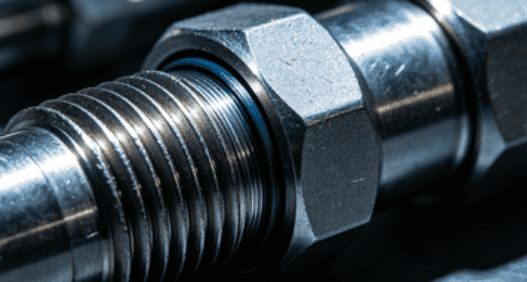
Carbon Steel Fittings
- High strength
- Cost-effective
- Requires anti-corrosion coating
Stainless Steel Fittings
- Superior corrosion resistance
- Higher cost
- Ideal for humid or coastal environments
Brass Fittings
- Excellent sealing performance
- Lower pressure resistance
- Used in low-load auxiliary systems
Comparative Analysis: Hydraulic Fittings Types
| Type | Pressure Resistance | Cost Level | Leakage Risk | Durability |
|---|---|---|---|---|
| Metric Fittings | High | Medium | Low | High |
| ORFS Fittings | Very High | High | Very Low | Very High |
| BSP Fittings | Medium | Low | Medium | Medium |
| Flange Fittings | Very High | High | Very Low | Very High |
This comparison highlights why hydraulic fittings for chinese mini excavator systems often rely on metric and ORFS configurations for optimal performance.
Real Industry Case Studies
Case Study 1: Municipal Fleet Optimization Program
A municipal contractor in Southeast Asia operated 40 mini excavators experiencing frequent hydraulic leaks.
After switching to standardized ORFS fittings:
- Leak incidents dropped by 72%
- Maintenance cost reduced by 28%
- Machine uptime improved by 18%
Case Study 2: Construction Rental Fleet in Urban Infrastructure
A rental company in a high-density urban project replaced mixed fitting systems with standardized metric fittings.
Results:
- Average repair time reduced from 3.5 hours to 1.2 hours
- Hydraulic oil loss reduced by 40%
- Equipment resale value increased by 12%
Industry White Paper Insights
According to construction machinery maintenance white papers (2024):
- 65% of hydraulic failures are preventable
- 42% are directly linked to fitting installation errors
- Proper maintenance can extend system life by 2–3 years
These findings reinforce the importance of proper handling of hydraulic fittings for chinese mini excavator systems.
Installation Best Practices for Leak-Free Performance
Clean Assembly Environment
Contaminants are one of the leading causes of hydraulic failure. Even dust particles smaller than 20 microns can compromise sealing integrity.
Thread Alignment Accuracy
Misalignment during installation causes uneven stress distribution, increasing leak probability.
Controlled Tightening Sequence
Recommended tightening method:
- Hand-tighten first
- Align components
- Apply torque in incremental steps
- Final verification after 10–15 minutes
Maintenance Engineering Framework
Daily Inspection Protocol
- Check visible oil residue
- Monitor hydraulic response speed
- Inspect joint vibration behavior
Monthly System Audit
- Pressure testing
- Seal condition inspection
- Fitting torque verification
Annual Overhaul Guidelines
- Full replacement of aging seals
- Recalibration of torque settings
- Hydraulic fluid replacement
Economic Impact of Hydraulic Leakage
Hydraulic leakage has measurable financial implications:
- Increased fuel consumption: +5–12%
- Reduced productivity: -8–20%
- Maintenance cost increase: +15–30% annually
Investing in high-quality fittings significantly reduces total lifecycle cost.
Market Trends in Hydraulic Fittings Industry
The global hydraulic fittings market is shifting toward:
- High-pressure compact fittings
- Lightweight alloy materials
- Smart monitoring systems with leak detection sensors
- Standardized global compatibility systems
Demand for hydraulic fittings for chinese mini excavator is growing due to expanding infrastructure development in Asia, Africa, and South America.
Buying Guide for Hydraulic Fittings for Chinese Mini Excavator
Key Selection Parameters
- Pressure rating compatibility
- Thread standard consistency
- Seal material compatibility
- Corrosion resistance level
Common Procurement Mistakes
- Mixing incompatible thread types
- Ignoring OEM specifications
- Choosing cost over durability
- Skipping pressure testing
FAQ
Why do hydraulic fittings fail in mini excavators?
Most failures are caused by incorrect installation, seal degradation, vibration loosening, or pressure overload.
How can I extend the life of hydraulic fittings?
Proper torque control, clean installation, and regular inspection significantly extend service life.
What is the most reliable fitting type for Chinese mini excavators?
Metric and ORFS fittings are considered most reliable due to compatibility and sealing performance.
How often should hydraulic fittings be checked?
Daily visual checks and monthly technical inspections are recommended for active machines.
Can hydraulic leaks be fully prevented?
While zero risk is unrealistic, proper installation and maintenance can reduce leakage probability by over 80%.
Conclusion
Hydraulic systems are the backbone of mini excavator performance, and fittings are the most critical sealing components within that system. The proper selection, installation, and maintenance of hydraulic fittings for chinese mini excavator directly determine operational efficiency, safety, and cost control.
By applying engineering standards, material science principles, and preventive maintenance strategies, operators can significantly reduce downtime, extend equipment lifespan, and improve overall project profitability.
In modern construction environments where efficiency defines competitiveness, hydraulic leak prevention is no longer optional—it is a core operational strategy.
Thank you for taking the time to read our guide on excavators. We hope the insights and tips shared here help you make smarter choices for your construction projects.
For more expert advice, updates, and discussions on heavy machinery, follow our Facebook page and stay connected with our community.